
 AUS
AUS
 NZ
NZ
 UK
UK
 CA
CA
 USA
USA
 IND
IND






Highlights
- Revenue moderation across recent reporting periods
- Margin compression despite longer term earnings growth
- Valuation metrics compared with logistics peers
K&S in the All Ordinaries faces margin compression and earnings moderation, drawing focus to logistics performance trends and valuation positioning.
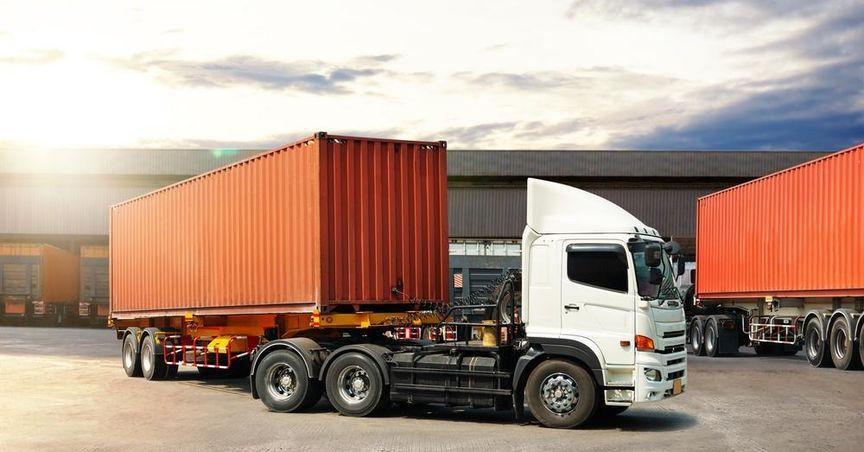
K&S operates in the transport and logistics sector, providing freight distribution and warehousing services across Australia. The company is included in the All Ordinaries index, placing it among a broad cross section of listed Australian enterprises. Recent financial disclosures have highlighted softer margins and moderated earnings momentum, prompting renewed focus on the durability of its growth trajectory.
Revenue Trends and Earnings Movement
K&S (ASX:KSC) opened the current reporting season with revenue of more than three hundred million Australian dollars for the half, alongside basic earnings per share below levels recorded in earlier comparable periods. Revenue has eased from higher levels seen in prior halves, reflecting shifting trading conditions within the freight and logistics environment.
Across recent reporting intervals, revenue moved from close to four hundred million Australian dollars in one half to slightly lower figures in subsequent periods, before declining further in the most recent half. Basic earnings per share followed a similar pattern, rising modestly in an intermediate period before retreating in the latest results.
On a trailing twelve month basis, net earnings totalled more than twenty million Australian dollars on revenue exceeding seven hundred million Australian dollars. The trailing net margin stood below the level recorded a year earlier, indicating compression in operating profitability. This shift has drawn attention to cost management, pricing discipline, and volume dynamics within the business.
Margin Compression and One Off Items
The recent earnings profile included a one off gain exceeding ten million Australian dollars, which contributed to reported results over the past year. Excluding such non recurring items would present a different view of underlying performance. The presence of this gain has influenced headline metrics commonly used in valuation comparisons.
Margin compression has occurred despite a longer term record of earnings growth over several years. Over that extended period, earnings expanded at a steady pace, yet the latest halves show a moderation in both net earnings and margin percentage. This divergence between multi year growth and near term softness frames current market discussion.
Cost pressures within the logistics sector can stem from fuel, labour, fleet maintenance, and network optimisation expenses. Revenue per consignment and contract mix also influence margin outcomes. In this context, K&S (ASX:KSC) has navigated varying freight volumes and customer demand patterns.
Midway through commentary on the all ordinary index, transport and logistics names are often assessed for their exposure to economic activity and supply chain flows. For K&S, the interplay between revenue stability and operating leverage remains central to financial performance.
Valuation Comparisons Within Logistics
Valuation measures place K&S (ASX:KSC) at a multiple above certain logistics peers and near the broader Australian market average. Comparisons with the global logistics industry show variations in earnings multiples, reflecting differences in scale, geographic reach, and margin structure.
Market commentary has referenced discounted cash flow assessments below prevailing trading levels. Such frameworks incorporate assumptions regarding revenue growth, operating margins, and capital expenditure. The presence of the earlier one off gain adds complexity when interpreting earnings based multiples, as underlying earnings may differ from reported figures.
Dividend distribution has also featured in discussion, with reference to yield relative to free cash flow generation. Free cash flow coverage has been described as limited during the most recent period, particularly in light of margin contraction. Cash generation capacity remains an important element of financial stability for transport operators that rely on fleet assets and working capital management.
