
 AUS
AUS
 NZ
NZ
 UK
UK
 CA
CA
 USA
USA
 IND
IND



_06_19_2026_12_34_15_139937.jpg)

Highlights
Expanding counter-drone solutions across defence and civilian sectors
Growing focus on software-driven recurring revenue streams
Strong cash position supporting research and global outreach
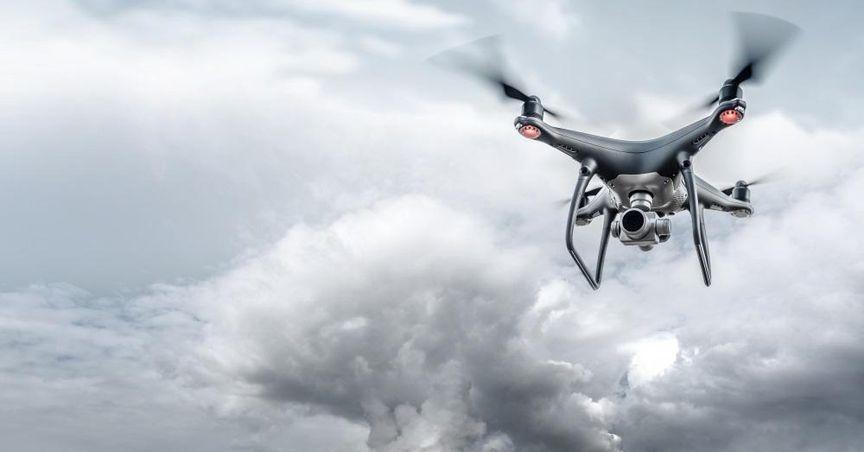
DroneShield continues to strengthen its position in the global counter-drone industry by expanding its customer base, enhancing its software offerings, and maintaining financial flexibility. The company’s presence across defence, infrastructure, and civilian markets highlights a broadening opportunity within the evolving technology landscape.
The ASX stock market remains a dynamic space for investors and observers following innovation-led companies that operate at the intersection of security and advanced technology. Within this landscape, DroneShield Ltd (ASX:DRO) has emerged as a key name in counter-drone and electronic warfare solutions, serving a wide range of global clients. As drones become more common across military, infrastructure, and civilian environments, attention continues to grow around how companies in this segment adapt to rising demand, evolving regulations, and rapid technological change.
DroneShield’s role in this sector places it among a group of Australian-listed companies shaping modern security systems. The business focuses on creating tools that detect, identify, and respond to drone threats, helping organisations manage risks linked to increasingly accessible unmanned aerial systems. This growing relevance has positioned the company as a point of interest for those monitoring developments across broader market benchmarks such as the ASX100, ASX200, and ASX300.
The Expanding Landscape of Counter-Drone Technology
From Defence to Civilian Infrastructure
The global drone environment has changed significantly over recent years. What once appeared mainly in military and specialised government operations now plays a role in industries such as logistics, agriculture, and media. This widespread use has also introduced new challenges, particularly around safety, privacy, and infrastructure security.
DroneShield operates in a segment focused on identifying and mitigating risks linked to unauthorised or hostile drone activity. Its solutions are designed for defence forces, law enforcement agencies, and operators of sensitive sites such as airports, energy facilities, and public venues. At the same time, the company has signalled a growing emphasis on civilian markets, where demand for monitoring and protection systems continues to rise.
This shift reflects a broader trend in the technology sector, where security tools originally developed for defence find applications in commercial and public settings. The company’s ability to serve both areas highlights its diversified approach and positions it within a global framework of safety-focused innovation.
Sales Momentum and Contract Development
Converting Interest into Commitments
Market observers often look closely at a company’s sales pipeline as an indicator of future activity. For DroneShield, recent updates have shown movement in this area, with previously discussed opportunities transitioning into formal agreements. This process reflects the company’s ongoing engagement with international clients across regions such as Europe, the Asia-Pacific, and parts of the Americas.
By turning discussions into signed contracts, the business demonstrates its ability to navigate complex procurement processes, particularly within defence and government sectors. These processes often involve extended evaluation periods, technical assessments, and regulatory reviews, making successful outcomes a signal of operational credibility.
The company’s growing list of customers underscores its role as a global participant rather than a regionally focused provider. This international presence aligns with the broader scope of the ASX stock market, where many listed firms operate across borders and industries.
Software as a Strategic Focus
Building Recurring Revenue Streams
A notable development in DroneShield’s business model is the increased emphasis on software and subscription-based services. As drone technology evolves, software platforms that manage detection systems, integrate data, and provide command-and-control capabilities have become central to effective security operations.
By embedding software components into new product offerings, the company aims to create ongoing service relationships with clients. This approach can lead to more predictable revenue patterns and deeper engagement over time, as customers rely on regular updates, technical support, and system enhancements.
The shift mirrors trends seen across the broader technology sector, where hardware solutions are increasingly complemented by digital platforms. This integration allows companies to respond more quickly to emerging threats and regulatory changes, strengthening long-term relationships with users.
Financial Resilience and Strategic Flexibility
Supporting Innovation Through Strong Liquidity
Financial stability plays a crucial role in enabling companies to invest in research, development, and international expansion. DroneShield’s balance sheet reflects a focus on maintaining resources that support these priorities.
A solid cash position allows the business to pursue new product development, explore partnerships, and enter additional markets without immediate reliance on external funding. This flexibility is particularly important in a sector where technology cycles move quickly and customer requirements can evolve based on geopolitical and regulatory shifts.
Such financial strength also provides a buffer during periods of market volatility, offering the company the capacity to maintain operations and strategic initiatives even when broader conditions become uncertain.
Positioning Within the Broader Market
Technology and Industry Connections
DroneShield’s activities place it within a network of sectors that span security, technology, and infrastructure. While not directly linked to commodities, its role in safeguarding critical assets creates indirect connections with industries often tracked under ASX mining stocks and energy-related segments.
For instance, mining operations and large-scale industrial facilities increasingly rely on secure environments to protect both physical assets and operational data. Counter-drone systems can play a part in these settings, highlighting how technology providers intersect with traditional industries.
Similarly, companies within the ASX dividend stocks category often focus on stability and long-term returns, while technology-focused firms like DroneShield tend to attract attention for their innovation and growth strategies. Together, these segments illustrate the diversity of opportunities present within the Australian market.
Global Reach and Market Demand
Responding to International Security Needs
The demand for counter-drone solutions is not limited to any single region. Governments, private operators, and infrastructure managers worldwide face similar challenges as drone usage becomes more widespread.
DroneShield’s international operations reflect this global demand, with customers across multiple continents. The company’s ability to adapt its offerings to different regulatory environments and operational requirements demonstrates a flexible approach to market entry and client engagement.
This global perspective aligns with trends seen across the ASX stock market, where many listed companies pursue international growth to diversify revenue sources and reduce exposure to local economic conditions.
Innovation and Research Development
Advancing Detection and Response Systems
At the core of DroneShield’s strategy lies a commitment to ongoing innovation. Research and development efforts focus on enhancing detection accuracy, improving system integration, and expanding the range of threats that can be identified.
As drone technology continues to advance, countermeasures must evolve in parallel. This includes adapting to new communication protocols, flight patterns, and hardware capabilities. By investing in research, the company aims to stay aligned with emerging trends and maintain relevance in a competitive global market.
Such innovation-driven approaches are common among technology-focused firms listed across major indices like the ASX100, ASX200, and ASX300, where market participants often look for evidence of long-term strategic planning.
Market Sentiment and Long-Term Outlook
Navigating Short-Term Fluctuations
Share market movements often reflect a mix of company-specific developments and broader economic factors. For DroneShield, changes in market sentiment can be influenced by contract announcements, industry news, and shifts in global security priorities.
While short-term fluctuations may capture headlines, many observers focus on the company’s underlying strategy, customer relationships, and technological direction. These elements provide context for understanding how the business fits into long-term industry trends.
By maintaining a presence across multiple markets and continuing to develop both hardware and software solutions, the company positions itself as a participant in a growing global conversation around security and technology.
Integration With Broader Industry Themes
Technology, Infrastructure, and Sustainability
The use of drones extends beyond security concerns, touching areas such as environmental monitoring, logistics, and urban planning. As these applications expand, the need for balanced regulatory frameworks and safety measures becomes more important.
DroneShield’s role in this ecosystem highlights how technology companies contribute to broader discussions about responsible innovation. By providing tools that support safe and regulated drone usage, the business aligns with themes of sustainability and infrastructure protection.
This connection underscores how companies across different sectors, from technology to resources, intersect within the wider economic framework represented by the Australian market.
Looking Ahead in a Changing Industry
Adapting to Technological and Regulatory Shifts
The counter-drone sector continues to evolve alongside advancements in unmanned systems and changes in international regulations. Companies operating in this space must remain agile, responding to new standards, emerging threats, and shifting customer expectations.
DroneShield’s strategy of combining hardware expertise with software-driven services reflects an effort to address these challenges holistically. By offering integrated solutions, the company aims to remain relevant as the industry landscape changes.
This adaptability is a common trait among firms that maintain a presence across major market benchmarks and seek to balance innovation with operational stability.
DroneShield’s presence within the Australian and global technology landscape reflects a broader shift toward advanced security solutions in an increasingly connected world. By expanding its market reach, strengthening software capabilities, and maintaining financial flexibility, the company continues to navigate an industry shaped by rapid innovation and evolving demand.
Its role across defence, infrastructure, and civilian sectors highlights how specialised technology providers contribute to broader economic and security frameworks. As trends within the ASX stock market continue to evolve, companies like DroneShield remain part of the ongoing conversation around innovation, safety, and global connectivity.
