
 AUS
AUS
 NZ
NZ
 UK
UK
 CA
CA
 USA
USA
 IND
IND




Highlights
• NuEnergy Gas recorded a sharp surge before trading halt implementation.
• Exchange action followed heightened activity without fresh announcement.
• Energy sector participation reflected volatility in smaller-cap stocks.
NuEnergy Gas experienced a sharp rally followed by a trading halt, reflecting heightened activity within the energy sector and the role of exchange oversight in maintaining transparency.
Australia’s energy sector forms a critical component of the national economy, supporting industrial processes, electricity generation, and resource development. Companies within this sector operate across oil, gas, and alternative energy domains, contributing to domestic and international supply networks. These companies are represented across indices such as the All Ordinaries, which includes a broad mix of listed entities across sectors and reflects overall market participation.
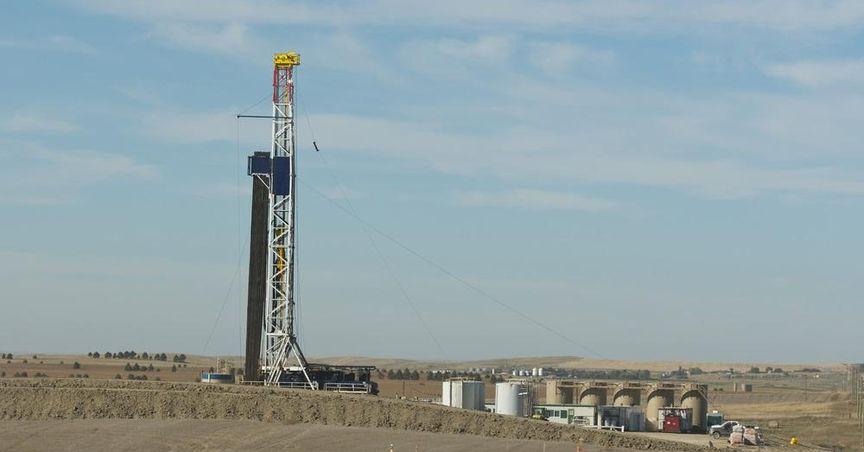
NuEnergy Gas Limited (ASX:NGY) operates within the energy exploration and development segment, focusing on coal-bed methane resources located in Indonesia. The company’s activities involve identifying gas reserves, progressing exploration programs, and managing development initiatives within targeted regions. This operational focus positions it among companies engaged in upstream energy activities within the broader equity landscape.
Energy companies within this segment typically function in environments shaped by regulatory approvals, geological assessments, and infrastructure requirements. These factors influence how projects advance from exploration to potential production phases and determine the operational framework within which companies operate.
The inclusion of energy companies within broader indices highlights their contribution to sector diversity. These entities operate alongside industries such as financial services, mining, healthcare, and technology, forming a comprehensive representation of the Australian equity market.
Market movements within the energy sector often reflect a combination of operational updates, corporate announcements, and broader economic conditions. These influences shape participation levels and contribute to changes in how companies are positioned within the financial ecosystem.
Trading Halt Mechanism and Exchange Oversight
Trading halts are an established feature of the equity market, providing a structured mechanism for managing the release of information. These halts are typically requested by companies when there is a need to prepare and disclose material updates that may influence trading activity.
In the case of NuEnergy Gas, a significant increase in trading activity was observed before the company requested a halt. The purpose of this halt is to allow time for the preparation of a response to an exchange query, ensuring that all relevant information is communicated in an orderly manner.
The exchange maintains oversight of trading activity to ensure that markets operate within a transparent and regulated framework. When unusual movements occur without an accompanying announcement, the exchange may issue a query seeking clarification from the company involved.
This process ensures that all participants have access to the same information at the same time. By pausing trading, the market provides a level playing field where updates can be disseminated effectively before activity resumes.
The trading halt mechanism reflects the broader governance structure of the equity market, where regulatory measures are designed to maintain fairness and integrity. These measures support the efficient functioning of the financial system and reinforce confidence in market operations.
The interaction between trading activity and regulatory oversight highlights the importance of structured processes in managing information flow. This ensures that companies and participants operate within a consistent and transparent environment.
Momentum in Energy Sector Participation
The energy sector includes a diverse range of companies engaged in exploration, development, and production activities. Smaller-cap entities, in particular, often experience varying levels of participation due to the nature of their operations and project-driven timelines.
NuEnergy’s focus on coal-bed methane development places it within a specialised segment of the energy industry. These projects involve extensive geological evaluation, drilling operations, and infrastructure planning to support the extraction and distribution of gas resources.
Market participation within this segment can fluctuate based on corporate developments, project updates, and broader industry conditions. Changes in participation levels may result in noticeable shifts in trading activity, particularly in companies with relatively lower liquidity.
The broader equity landscape includes indices such as the asx all ords, which provide a comprehensive view of sector representation across companies of varying sizes. This index captures the diversity of industries and highlights how different sectors contribute to overall market activity.
Energy companies often operate within a global context, where resource demand, infrastructure requirements, and regulatory frameworks influence operational strategies. These elements shape how companies engage with both domestic and international markets.
The participation of energy companies within the market underscores their role in supporting industrial processes and energy supply chains. Their activities contribute to the broader economic framework and reflect the importance of the sector within the financial system.
Corporate Developments and Information Transparency
Corporate developments are a central aspect of market activity, influencing how companies are perceived within the equity landscape. These developments may include exploration updates, operational milestones, and strategic initiatives that shape the direction of the company.
In situations where trading activity increases significantly without a corresponding announcement, regulatory bodies may seek clarification to ensure transparency. This process supports the dissemination of accurate and timely information across the market.
NuEnergy Gas has communicated that it is not aware of any undisclosed information that would explain the recent movement, aside from what will be addressed in its response to the exchange. This reflects the structured communication process that companies follow when responding to regulatory queries.
The preparation of a formal response allows the company to provide clarity regarding its operations and recent market activity. This ensures that all participants receive consistent information, supporting fair trading conditions.
Corporate communication frameworks are designed to maintain transparency and accountability within the market. These frameworks ensure that companies provide updates in accordance with regulatory requirements, contributing to the overall integrity of the financial system.
In addition to company-specific developments, broader market trends influence how information is interpreted. Economic conditions, sector performance, and global developments all contribute to the context within which corporate updates are received.
Segments such as ASX dividend stocks provide additional perspective on different categories of companies within the market, highlighting diversity in operational focus and financial structures.
The interaction between corporate developments and market participation reflects the dynamic nature of the equity market. Companies operate within an environment where information flow plays a crucial role in shaping activity levels.
Economic Context and Market Structure
The equity market operates within a broader economic framework that includes factors such as global trade, resource demand, and technological advancement. These elements influence how companies conduct operations and interact with the financial system.
The energy sector is closely linked to global economic activity, with demand for resources influenced by industrial production, infrastructure development, and consumption patterns across various regions. These factors shape the operational environment for companies engaged in energy exploration and development.
NuEnergy’s focus on Indonesian gas assets highlights the international dimension of energy operations. Companies engaged in cross-border projects must navigate regulatory requirements, logistical considerations, and market conditions across different jurisdictions.
The structure of the equity market allows for the integration of companies operating in diverse sectors. Financial institutions, resource companies, and technology firms each contribute to the overall composition of the market.
Indices serve as reference points for observing these dynamics, capturing changes in sector participation and corporate activity. Through these frameworks, the interaction between economic variables and market behaviour becomes more visible.
The evolving nature of the market reflects ongoing changes in global economic conditions, technological developments, and industry trends. These factors contribute to the continuous transformation of the financial landscape.
The integration of multiple sectors within the market underscores the complexity of the financial ecosystem. Companies operate within interconnected environments where economic, regulatory, and operational factors influence activity.
