
 AUS
AUS
 NZ
NZ
 UK
UK
 CA
CA
 USA
USA
 IND
IND






Highlights
Beaumont ammonia facility adds a new growth layer
Valuation debate intensifies amid expansion narrative
Market ratios offer a contrasting perspective
Woodside Energy Group’s latest expansion into ammonia strengthens its global footprint, but valuation discussions remain divided as growth expectations meet evolving industry risks and market signals.
Woodside’s Strategic Shift Draws Market Attention
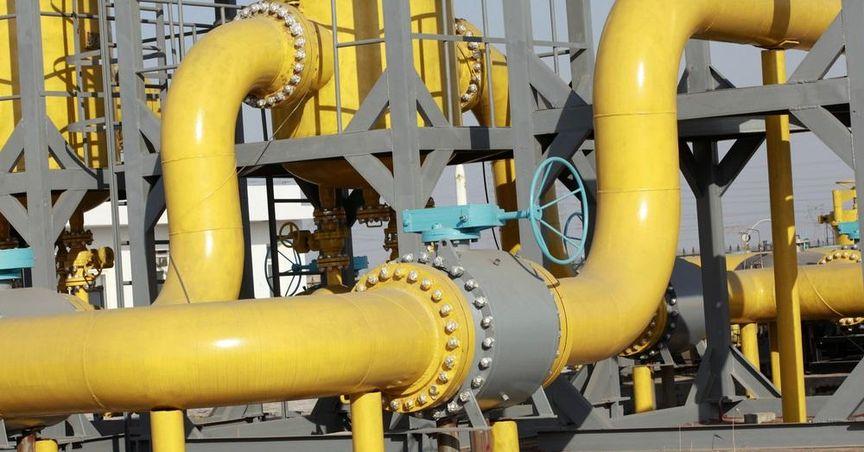
The Woodside Energy Group Limited (ASX:WDS) has recently captured attention with its latest operational move. The company has taken control of the Beaumont New Ammonia facility in southeast Texas, marking a significant addition to its portfolio and expanding its reach into the global ammonia market.
This development comes at a time when sentiment around the company has been strengthening. The expansion is being seen as part of a broader strategy to diversify operations while aligning with the evolving global energy landscape. However, as the company scales new heights operationally, the discussion around its valuation has become more nuanced.
Understanding the Beaumont Ammonia Expansion
A New Chapter in Energy Diversification
The Beaumont facility represents a strategic entry into ammonia production, a segment increasingly linked to cleaner energy transitions and industrial demand. By adding a large-scale ammonia producer to its operations, Woodside is positioning itself within a space that is gaining importance as global energy systems evolve.
Ammonia is often viewed as a key enabler in reducing emissions across sectors such as shipping and heavy industry. This makes the Beaumont acquisition more than just an expansion—it signals a shift towards integrating traditional energy operations with emerging low-carbon opportunities.
Strengthening Global Presence
The move also enhances Woodside’s footprint in the United States, a region known for its energy infrastructure and export capabilities. This geographic diversification adds resilience to the company’s operations and opens new avenues for long-term growth.
Momentum Builds, But Questions Follow
Rising Market Interest
The company’s recent trajectory has drawn attention from market participants, with its share price showing strong upward momentum over recent months. This trend suggests that expectations around future growth, project execution, and energy demand are being actively reassessed.
As a key constituent of the ASX 100, Woodside’s performance often reflects broader shifts within the energy sector. Its recent developments have contributed to a renewed focus on how traditional energy companies are adapting to changing global dynamics.
Is Growth Already Reflected?
With the Beaumont expansion now part of the company’s portfolio, a central question emerges: has the market already accounted for this growth in its valuation?
Some market narratives suggest that current pricing reflects a high level of confidence in the company’s ability to execute large-scale projects efficiently. This includes ongoing developments such as LNG projects and infrastructure expansions, which are expected to play a role in future earnings.
Valuation Perspectives: A Divided View
Narrative-Based Valuation
A widely followed valuation perspective indicates that the company may be trading above its perceived fair value. This viewpoint assumes that several major projects will progress smoothly without significant delays or cost challenges.
Such expectations rely heavily on stable regulatory conditions, manageable capital expenditure, and consistent demand for LNG and related products. However, the energy sector is inherently complex, and factors such as policy changes, environmental regulations, and operational challenges can influence outcomes.
Risks to Consider
There are multiple elements that could impact the company’s financial outlook. These include:
-
Increasing complexity in project approvals
-
Rising costs associated with infrastructure and decommissioning
-
Evolving environmental regulations affecting emissions
Additionally, shifts in global demand for LNG and the pace of decarbonization efforts could influence revenue streams and profitability.
Market Ratios Offer Another Angle
A Softer Valuation Signal
While narrative-driven analysis points toward a premium valuation, traditional market ratios tell a slightly different story. The company’s price-to-earnings ratio appears comparatively moderate when viewed against industry averages and estimated benchmarks.
This divergence raises an important consideration: whether the perceived premium is as pronounced as suggested, or if the company’s earnings outlook provides a more balanced perspective.
Interpreting the Mixed Signals
The contrast between narrative valuation and market ratios highlights the complexity of assessing large energy companies. On one hand, strong growth expectations support a higher valuation. On the other, relative metrics suggest there may still be room for interpretation.
For investors tracking companies within the ASX 300, such differences underline the importance of considering multiple analytical approaches before forming conclusions.
The Role of Energy Transition
Balancing Traditional and Low-Carbon Assets
Woodside’s expansion strategy reflects a broader industry trend—balancing conventional energy production with investments in lower-carbon alternatives. The inclusion of ammonia assets aligns with this direction, as ammonia is increasingly being explored as a cleaner energy carrier.
However, the transition is not without challenges. Delays in low-carbon output and uncertainties around future demand can influence how these investments are perceived in the short term.
Long-Term Strategic Positioning
Despite near-term uncertainties, the company’s approach indicates a focus on long-term positioning. By integrating new energy solutions alongside established operations, Woodside aims to remain relevant in a rapidly changing energy landscape.
This strategy also resonates with those exploring opportunities in ASX dividend stocks, where stability and income generation often intersect with evolving business models.
Industry Dynamics and External Factors
Regulatory Environment
Energy companies operate within a complex regulatory framework that can vary across regions. Approvals, environmental standards, and policy shifts can all impact project timelines and costs.
For Woodside, navigating these factors will be critical in ensuring that its expansion plans translate into sustainable growth.
Global Demand Trends
The demand for LNG and related products continues to evolve, influenced by factors such as economic growth, energy security concerns, and environmental policies. Any significant changes in these areas could affect revenue projections and overall market sentiment.
What Could Shape the Outlook?
Execution of Major Projects
The successful delivery of ongoing projects will play a key role in shaping future performance. Efficient execution, cost management, and timely completion are essential to meeting market expectations.
Market Perception
Investor sentiment is likely to remain influenced by how effectively the company communicates its strategy and manages risks. Transparency and consistency in performance can help build confidence over time.
Energy Transition Progress
The pace at which the company advances its low-carbon initiatives will also be closely monitored. Demonstrating tangible progress in this area could enhance its positioning within the broader energy sector.
Woodside Energy Group Limited (WDS) stands at an interesting crossroads. The addition of the Beaumont ammonia facility underscores its ambition to expand and diversify, while also aligning with global energy transition trends.
At the same time, the debate around valuation reflects the broader challenges of assessing companies operating in dynamic and complex industries. With differing signals from narrative analysis and market ratios, the company’s current position invites careful consideration.
As the energy sector continues to evolve, Woodside’s ability to balance growth, manage risks, and adapt to changing conditions will remain central to its journey.
