
 AUS
AUS
 NZ
NZ
 UK
UK
 CA
CA
 USA
USA
 IND
IND






Highlights
Clean energy transport developers operate within regulated Australian equity frameworks.
Provaris Energy remains positioned within the All Ordinaries index classification.
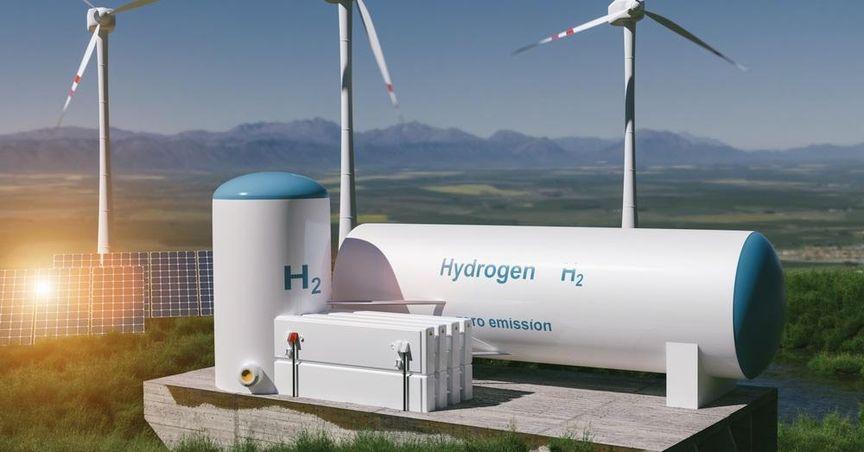
Hydrogen and carbon transport concepts integrate maritime and energy infrastructure systems.
Provaris Energy operates within the Australian clean energy transport sector and remains classified under the All Ordinaries within the national equity market framework.
The Australian clean energy transport sector forms an emerging component of the national energy landscape operating within the ASX stock market. This sector includes companies focused on alternative fuel logistics, maritime transport innovation, and infrastructure concepts designed to support energy transition pathways. Clean energy transport entities operate alongside traditional oil and gas producers, utilities, and resource companies within Australia’s regulated equity environment.
Within this structure, listed companies are grouped under benchmark indices that reflect market participation and listing compliance rather than operational scale or development stage. One such benchmark is the All Ordinaries, which provides broad representation of Australian-listed companies across multiple industries, including energy, mining, industrial services, and healthcare.
Provaris Energy Ltd (ASX:PV1) operates within this clean energy transport framework as an Australian-listed company engaged in the development of hydrogen and carbon transport solutions. The company’s classification within the All Ordinaries reflects continued listing status and adherence to exchange requirements. This positioning places the company within the broader Australian equity structure alongside entities operating across energy, industrial, and resource-linked sectors.
Hydrogen and Carbon Transport Concepts Within the Energy Ecosystem
Clean energy transport concepts involve the coordination of engineering design, maritime operations, and regulatory alignment. Companies active in this space focus on vessel design, storage systems, and logistics frameworks intended to support the movement of alternative fuels across domestic and international routes. These activities operate within established maritime, environmental, and safety regulations.
Hydrogen transport development requires integration with upstream production facilities, port infrastructure, and downstream energy users. Carbon transport concepts similarly involve coordination with capture facilities, shipping infrastructure, and storage networks. These interconnected systems highlight the complexity of clean energy logistics within the broader energy ecosystem.
Australian clean energy transport developers operate alongside ASX mining stocks and traditional energy producers under shared listing and disclosure obligations. While operational focus differs, governance expectations and reporting frameworks remain consistent across resource-linked sectors. This alignment supports transparency and comparability within the equity market.
Index classification within the All Ordinaries provides structural context for categorising clean energy transport companies. Inclusion reflects market participation and compliance with listing standards rather than technological maturity or commercial deployment status.
Project Development Pathways and Industry Coordination
Clean energy transport companies typically progress projects through staged development pathways involving concept validation, engineering studies, regulatory engagement, and industry coordination. These pathways require interaction with shipbuilders, classification societies, port authorities, and energy sector participants to align technical and operational parameters.
Provaris Energy operates within this structured development environment common to clean energy logistics providers. Project activities involve engagement with technical partners and industry stakeholders to define transport concepts within regulatory and operational frameworks. Such coordination supports alignment with maritime standards and environmental compliance expectations.
Industry coordination also extends to policy environments and international frameworks governing hydrogen and carbon transport. Australian clean energy developers engage with global industry bodies and counterparties to ensure alignment with emerging standards and cross-border requirements. These interactions form part of normal sector practice.
From an equity market perspective, project development activity does not alter index classification. Inclusion within the All Ordinaries remains linked to listing compliance and market participation rather than project milestones or deployment timelines.
Capital Structure Administration and Disclosure Environment
Australian-listed clean energy companies operate within capital structure frameworks governed by corporate law and exchange listing rules. These frameworks address equity issuance, balance sheet presentation, and administrative capital management processes. Disclosure obligations ensure that material corporate developments are communicated consistently across the market.
Clean energy transport developers periodically release updates related to project activity, technical studies, and corporate administration through regulated announcement channels. These communications support transparency and information symmetry within the equity environment. Disclosure frameworks apply uniformly across sectors, including energy, mining, and industrial services.
Participation within the ASX ordinaries stocks framework remains dependent on continued compliance with listing requirements rather than capital configuration. Administrative updates or project disclosures do not automatically affect index placement.
Some listed entities may also be referenced within thematic groupings such as ASX dividend stocks depending on historical corporate practices. These thematic references operate independently of benchmark indices and do not redefine sector alignment or governance responsibilities.
Governance Frameworks and Regulatory Alignment
Australian clean energy transport companies operate under governance structures designed to support accountability, regulatory compliance, and transparent communication. Board oversight, executive leadership frameworks, and internal control systems align with corporate governance principles applicable to all listed entities.
Sector-specific regulation adds additional oversight related to maritime safety, environmental protection, and energy transport standards. Clean energy developers integrate these requirements into project planning, compliance monitoring, and reporting processes. Engagement with regulatory authorities forms part of standard operational practice.
Market participation within the ASX stock market enables clean energy transport companies to operate within a unified disclosure and governance regime alongside entities from healthcare, industrial manufacturing, and traditional energy sectors. This structure supports consistent classification across industries with differing operational models.
Inclusion within the All Ordinaries provides structural context for understanding how clean energy transport developers fit within the broader Australian equity landscape. This framework facilitates market organisation without conveying operational judgments or forward-looking assessments.
