
 AUS
AUS
 NZ
NZ
 UK
UK
 CA
CA
 USA
USA
 IND
IND



_06_19_2026_12_34_15_139937.jpg)

Highlights
Mining sector policy engagement outlined within Australian regulatory frameworks.
Industry representation activity discussed in relation to fuel taxation structures.
All Ordinaries provides structural context for listed market participation.
Mining sector policy engagement outlined within the All Ordinaries, detailing industry representation activity related to fuel taxation frameworks.
The mining sector represents a foundational element of the Australian economy, encompassing mineral extraction, processing, logistics, and supporting services that operate across regional and remote locations. This sector functions within the broader ASX stock market and is structurally represented through the All Ordinaries, an index designed to capture a broad cross-section of companies listed on the Australian exchange.
Mining companies included within the All Ordinaries operate under layered regulatory environments that govern exploration licensing, environmental management, workplace safety, taxation arrangements, and infrastructure usage. Sector participation is shaped by operational realities unique to mining, including high energy consumption, reliance on heavy machinery, and transport-intensive supply chains. Index inclusion reflects listing eligibility and market participation rather than interpretive assessment of policy outcomes.
Within this environment, industry bodies and representative organisations play an active role in engaging with government and regulatory stakeholders on matters affecting operational conditions. Such engagement forms part of routine sector activity and is communicated through formal channels to ensure transparency and factual reporting.
Industry representation and organisational role
The Association of Mining and Exploration Companies operates as an industry body representing mining and exploration participants across Australia. Its activities include policy engagement, regulatory consultation, and advocacy related to operational frameworks affecting the resources sector. The organisation interacts with government agencies, policymakers, and regulatory institutions to convey industry perspectives on matters impacting mining operations.
AMEC does not operate as a listed company; however, its advocacy activities intersect with the interests of multiple listed entities that appear within the All Ordinaries and across broader market classifications such as ASX mining stocks. These companies operate across exploration, development, and production stages, often in regions where fuel usage represents a significant operational input.
Industry representation activity focuses on ensuring that regulatory and taxation frameworks reflect the practical conditions under which mining operations function. Communications related to such activity are issued in a factual and procedural manner, outlining engagement processes rather than outcomes.
Fuel usage and operational cost structures in mining
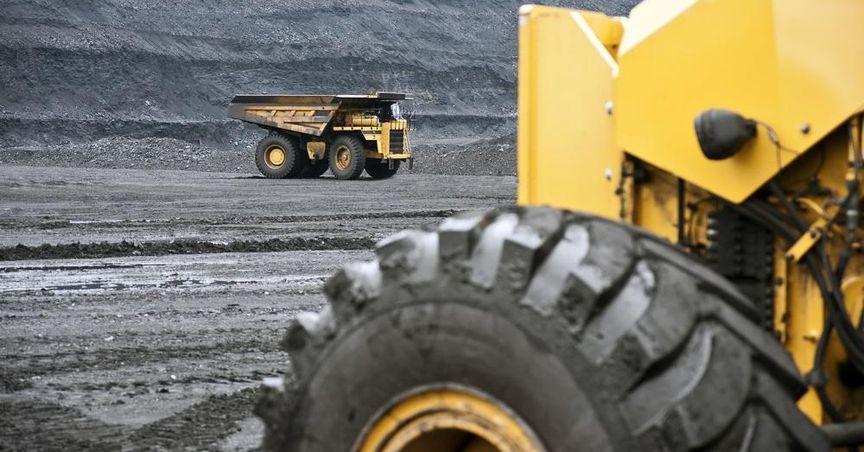
Fuel represents a critical operational input across the mining sector, supporting drilling, earthmoving, haulage, processing, and site power generation. Mining operations frequently occur in remote locations where alternative energy sources may be limited, increasing reliance on fuel-powered equipment and transport networks.
Fuel taxation frameworks therefore form an important component of the operational environment for mining companies. Policy settings related to fuel taxation are governed by national legislation and administrative guidelines, with specific provisions applying to off-road and industrial usage. Engagement on these matters typically centres on clarification of eligibility criteria, administrative processes, and alignment with operational realities.
Within the mining sector, discussions around fuel taxation are positioned within broader conversations about infrastructure access, supply chain efficiency, and regional development. Such discussions are communicated as part of industry-wide policy engagement rather than company-specific disclosures.
All Ordinaries composition and sector diversity
The All Ordinaries index reflects the full breadth of Australian listed participation by including companies across mining, financial services, healthcare, technology, consumer industries, and infrastructure operations. Mining companies appear within this index alongside entities associated with ASX dividend stocks and service-oriented businesses, illustrating the diversified nature of Australian equities.
Index inclusion serves as a classification mechanism based on listing status and liquidity rather than sector prominence. Mining companies therefore contribute resource sector representation within a benchmark that also includes banks, retailers, industrial operators, and technology providers. This structure allows market observers to view sector participation within a unified market framework.
The presence of mining companies within the All Ordinaries highlights the sector’s ongoing role within the Australian economy. Policy engagement by industry bodies occurs alongside routine corporate disclosures by listed companies, contributing to a comprehensive view of sector activity.
Regulatory engagement within the Australian mining landscape
The Australian mining landscape operates within a regulated exchange environment supported by governance standards, continuous disclosure obligations, and established legislative frameworks. Mining companies function within this system alongside the broader universe of ASX ordinaries stocks, contributing to an orderly and transparent market ecosystem.
Regulatory engagement by industry bodies forms part of this environment, providing structured channels through which operational considerations are communicated to policymakers. Such engagement does not constitute corporate action by listed entities and is presented as sector-level representation.
Within this setting, the mining sector continues to interact with regulatory institutions on matters related to taxation, environmental management, and operational compliance. These interactions are documented and communicated in a factual manner, reinforcing the structured nature of the ASX stock market as a platform accommodating diverse economic activities.
