
 AUS
AUS
 NZ
NZ
 UK
UK
 CA
CA
 USA
USA
 IND
IND






Highlights
Fortescue is progressing battery deployment alongside iron ore operations
Green initiatives can reshape market expectations beyond commodity cycles
Valuation debates often hinge on execution, costs, and cashflow resilience
Fortescue is advancing battery deployment and broader green ambitions alongside its iron ore base. After strong momentum, market focus shifts to execution, funding discipline, and whether milestones keep reducing uncertainty.
In the short selling sector, large-cap materials names can attract sharper positioning when momentum accelerates and narratives compete—especially when the story blends legacy cashflows with emerging technology investments. Fortescue (ASX:FMG), a major Australian iron ore producer with expanding green energy ambitions, has been highlighted for recent progress in battery deployment and broader clean energy initiatives. That combination keeps the company firmly on the radar for readers tracking transition themes within the ASX stock market and the ASX 200.
What are Fortescue’s latest operational milestones?
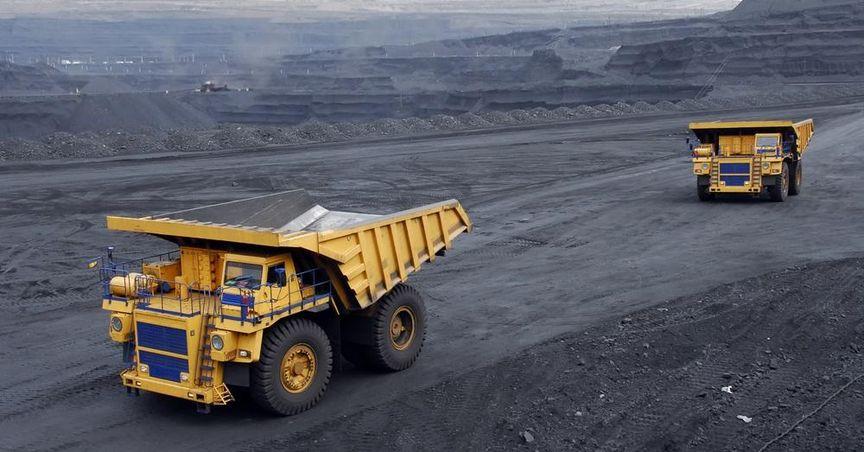
Fortescue’s recent updates point to practical steps inside its green transition rather than purely conceptual plans. Delivering and commissioning large-scale battery systems, as well as rolling out battery capacity at operational sites, is often viewed as “execution evidence” because it shows:
-
engineering and project delivery capability,
-
integration of energy storage into heavy industry settings,
-
potential progress toward electrification and operational efficiency goals.
For a resources company, that kind of site-level deployment can matter because it links clean-tech investment to core operations rather than treating it as a standalone narrative.
Why do battery and hydrogen initiatives matter for a mining company?
Mining operations are energy intensive, and power reliability can shape operating outcomes across sites. Energy storage can support:
-
smoother power management and on-site energy resilience,
-
greater flexibility for renewable integration,
-
potential steps toward decarbonisation-linked targets.
Hydrogen narratives typically sit at a different stage. They are often framed around:
-
longer-cycle infrastructure and demand creation,
-
industrial use cases and export opportunities,
-
technology readiness and cost competitiveness.
Markets tend to treat storage progress as nearer-term and more measurable, while hydrogen often remains more dependent on pathways, partnerships and scaling economics.
Why is the market debating valuation after strong momentum?
When a stock has had a strong run, valuation debates often become less about whether the company is “good” and more about how much optimism is already priced in. Investors typically weigh two competing ideas:
Is the market already pricing in the green upside?
If expectations for clean-tech outcomes rise faster than near-term earnings visibility, the share price can begin reflecting future possibilities earlier. That can make the stock feel “priced for success” to some participants, particularly if forecasts for near-term earnings growth appear conservative.
Or is the market still discounting Fortescue too heavily?
A different lens can argue that established operations and cash generation capacity provide a base, while transition investments create optionality. In this view, the market may apply a discount due to uncertainty around new initiatives—even if execution is progressing.
This push-and-pull is common when a company sits between a mature commodity business and an emerging technology investment profile.
What are the key drivers investors usually focus on next?
Valuation narratives in this type of story generally hinge on execution rather than slogans. Three areas tend to matter most.
What should readers watch in the iron ore base business?
Fortescue’s iron ore operations remain a central pillar. Markets often track:
-
operational consistency and shipment reliability,
-
product quality mix and realised pricing dynamics,
-
cost discipline and capital allocation priorities.
Even for investors focused on the green story, confidence often starts with the resilience of the core earnings engine.
What matters most for green investment credibility?
Green initiatives gain credibility when milestones are clear and repeatable. Typical watchpoints include:
-
delivery timelines and commissioning progress,
-
evidence that technology is working at scale in industrial conditions,
-
clarity on how projects are funded and governed,
-
whether initiatives are integrated into operations or remain separate experiments.
Battery deployments can help because they tend to be measurable and operationally relevant, which can reduce uncertainty compared to longer-dated themes.
How do investors think about funding and capital allocation?
A big question is how growth initiatives are funded without weakening the business’s flexibility. Investors typically look for:
-
transparent capital allocation priorities,
-
disciplined spend relative to operational cash generation,
-
progress markers that justify ongoing investment.
This is where market attention can sharpen, because the transition story is often judged on whether it is building durable capability rather than simply increasing spending.
How does Fortescue fit within wider materials themes?
Fortescue sits within a broader set of materials names navigating a mix of commodity cycles and transition narratives. Readers following the sector often compare company approaches through the lens of ASX mining stocks, where decarbonisation strategies, energy inputs and electrification themes can influence sentiment alongside commodity pricing.
What is a practical way to read this story without hype?
A grounded approach usually asks:
-
Is the core business resilient enough to support long-cycle investment?
-
Are green initiatives showing tangible progress at operational scale?
-
Do milestones reduce uncertainty over time?
-
Is capital allocation disciplined and consistent?
When the market has already rewarded momentum, these questions often matter more than a single valuation framing.
