
 AUS
AUS
 NZ
NZ
 UK
UK
 CA
CA
 USA
USA
 IND
IND





Highlights
- Shell continues to expand operations across multiple energy segments.
- The company maintains a broad international presence through integrated businesses.
- Recent operational updates keep the company in focus within the energy sector.
The S&P 500 includes several major energy companies, and Shell (NYSE:SHEL) remains one of the notable integrated energy businesses with operations spanning upstream production, liquefied natural gas, refining, chemicals, marketing, and renewable energy initiatives. Operating within the global energy sector, the company serves industrial, commercial, and retail customers across numerous countries. Its diversified business structure enables participation in different stages of the energy value chain while responding to changing energy demand and evolving industry conditions.
Integrated Energy Business
Shell operates an integrated energy model that combines exploration, production, transportation, processing, and distribution of energy products. Activities include crude oil and natural gas production, liquefied natural gas supply, refining, petrochemicals manufacturing, lubricants, aviation fuels, marine fuels, and retail fuel stations. The company also continues to expand activities involving electricity, hydrogen, biofuels, and electric vehicle charging infrastructure.
This integrated approach allows operations across multiple business segments while serving residential, commercial, transportation, and industrial markets. Geographic diversification also supports activity across Europe, North America, Asia-Pacific, Africa, the Middle East, and Latin America.
Global Asset Portfolio
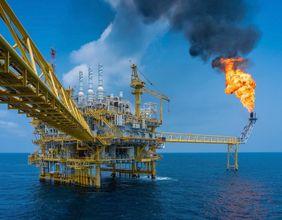
The company manages an extensive portfolio of production facilities, offshore platforms, refineries, chemical complexes, terminals, pipelines, storage facilities, and distribution networks. Liquefied natural gas remains an important business area, with participation across production, shipping, regasification, and customer supply.
Refining operations convert crude oil into transportation fuels and other petroleum products used across several industries. Chemical manufacturing supports products used in packaging, construction, healthcare, automotive manufacturing, and consumer goods.
Energy Transition Activities
Alongside conventional energy operations, the company continues developing projects involving renewable electricity, hydrogen production, carbon capture technologies, sustainable aviation fuel, and electric mobility solutions. These activities complement existing operations while reflecting ongoing developments across the global energy landscape.
Electric vehicle charging infrastructure continues expanding through public charging locations in multiple countries. Renewable electricity activities include wind, solar, and integrated power solutions supporting commercial and residential customers.
Industry Environment
Energy markets continue evolving as demand patterns, technological development, infrastructure modernization, and regulatory frameworks shape operating conditions. Integrated energy companies frequently balance traditional hydrocarbon operations alongside emerging lower-emission energy solutions.
Within the S&P 500 energy category, companies remain active across exploration, production, refining, transportation, chemicals, and electricity businesses. Market participants continue monitoring operational developments, production activities, project execution, supply chains, and customer demand across these segments.
Operations and Geographic Presence
Shell maintains operations across numerous countries through production assets, processing facilities, marketing networks, and trading activities. The company supplies fuels, lubricants, natural gas, chemicals, and electricity to a broad customer base. Retail service stations remain an important part of the business, providing conventional fuels alongside expanding electric vehicle charging services in selected markets.
Liquefied natural gas continues to represent a significant business area, supported by production facilities, shipping capacity, and long-term supply arrangements. The company also participates in offshore and onshore energy developments while maintaining refining and chemicals operations that support multiple industrial sectors.
Business Developments
Digital technologies continue to support operational efficiency across production sites, logistics, and customer-facing services. Automation, data management, and monitoring systems are increasingly incorporated into energy operations to improve reliability and asset management.
Research and development activities remain focused on energy technologies including hydrogen, carbon capture and storage, biofuels, renewable electricity, and charging infrastructure. These initiatives complement established businesses while reflecting broader developments across the global energy industry.
Environmental management also forms part of ongoing operational activities through emissions reduction projects, energy efficiency measures, and investments supporting lower-carbon energy solutions. Public reports outline progress across operational, environmental, and sustainability initiatives.
Competitive Landscape
Global integrated energy companies operate in a highly competitive environment that includes exploration, production, refining, chemicals, marketing, and electricity businesses. Competition is influenced by operational capability, geographic reach, technology adoption, infrastructure, and customer services.
The company competes alongside other multinational energy businesses active across conventional and emerging energy markets. Continued development of liquefied natural gas, renewable electricity, hydrogen, and electric mobility demonstrates how integrated energy companies are adapting to changing market conditions while maintaining diversified business portfolios.
Industry Position
Shell (NYSE:SHEL) remains one of the world's largest integrated energy companies, supported by extensive infrastructure, diversified operations, and a broad international presence. Activities across upstream production, liquefied natural gas, refining, chemicals, marketing, and renewable energy continue to position the company among major participants in the global energy industry.
Developments across the energy sector continue to influence production activities, customer demand, infrastructure expansion, technological advancement, and environmental initiatives. As part of the S&P 500 energy landscape, the company remains associated with ongoing developments affecting integrated energy businesses across international markets.
