
 AUS
AUS
 NZ
NZ
 UK
UK
 CA
CA
 USA
USA
 IND
IND






Highlights
- Natural gas distribution utility serving residential, commercial, and industrial customers
- Extensive pipeline and storage infrastructure supporting regional energy delivery
- Operational presence within regulated utility markets linked with the NYSE Composite
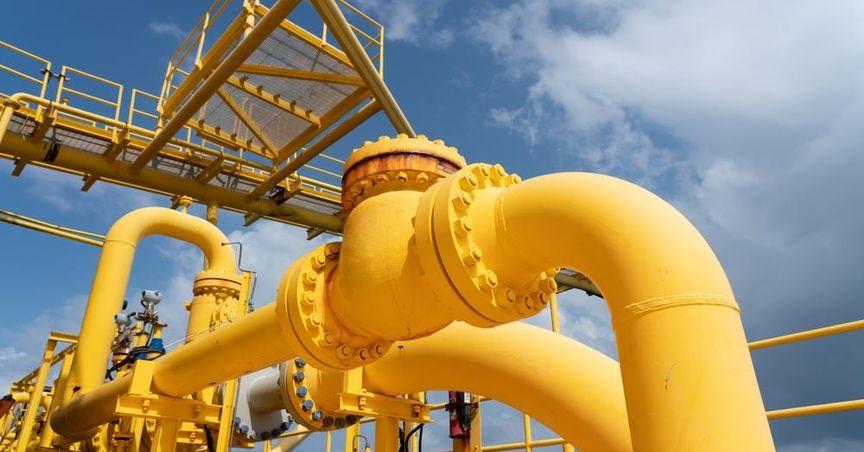
Exploration of ONE Gas utility infrastructure, natural gas distribution networks, and regional energy delivery systems connected with broader energy sector activity represented by the NYSE Composite.
Energy distribution utilities play a critical role in modern infrastructure, delivering fuel resources required for residential heating, industrial operations, and commercial activity. Companies operating within this sector frequently appear within market indicators such as the NYSE Composite, which includes organizations across diverse industries listed on the New York Stock Exchange. Within the natural gas distribution segment, ONE Gas (NYSE:OGS) functions as a regulated utility focused on the delivery of natural gas through extensive transmission and distribution systems across regional service territories.
Natural gas utilities form an essential component of energy infrastructure, linking production sources and storage facilities with homes, commercial buildings, and industrial sites. Transmission pipelines transport natural gas across long distances, while local distribution networks deliver the resource directly to end users.
Natural Gas Distribution Networks
Distribution utilities maintain complex pipeline systems designed to transport natural gas safely and efficiently from supply sources to consumers. These networks consist of transmission lines, compressor stations, storage installations, and local distribution pipelines connecting residential neighborhoods and commercial districts.
ONE Gas (NYSE:OGS) operates integrated infrastructure supporting the movement of natural gas through regulated service regions. Transmission facilities connect supply routes with distribution networks, enabling the controlled movement of energy resources across geographic areas.
Local distribution pipelines form the final stage of delivery, transporting natural gas directly into residential buildings, commercial establishments, and industrial sites. These pipelines operate within municipal boundaries and require extensive monitoring to maintain reliability and safety standards.
Energy utilities must maintain continuous oversight of pipeline integrity, pressure levels, and system capacity. Maintenance programs and infrastructure upgrades ensure that distribution networks remain capable of meeting demand across service territories.
Regulated Utility Operations
Natural gas distribution utilities operate within regulatory frameworks established by state utility commissions. These regulatory bodies oversee service standards, operational compliance, and infrastructure management across energy distribution companies.
Regulated utility structures require adherence to established guidelines governing pipeline maintenance, service reliability, and consumer protections. Utility commissions supervise operational practices to ensure stable energy delivery across residential and commercial markets.
Utilities must also maintain operational transparency through regular reporting and compliance with regulatory requirements. These frameworks ensure that energy distribution systems operate within established safety and service parameters.
Within the broader energy sector represented by the nyse composite index, regulated natural gas utilities provide a consistent framework for delivering energy resources across communities and industrial centers.
Energy Infrastructure and Storage Systems
Natural gas distribution systems rely on storage facilities that balance supply with seasonal consumption patterns. Storage infrastructure enables utilities to manage variations in demand associated with weather conditions and industrial activity.
Underground storage sites preserve natural gas reserves that can be delivered into pipeline networks when demand rises. Compressor stations maintain pressure within pipelines, ensuring that gas continues flowing through transmission and distribution routes.
Utilities maintain continuous monitoring of infrastructure systems to detect operational irregularities and maintain system integrity. Monitoring technology tracks pipeline conditions, pressure levels, and distribution flows throughout service regions.
ONE Gas (NYSE:OGS) maintains operational infrastructure designed to support reliable natural gas distribution through coordinated pipeline and storage systems.
Regional Service Territories
Natural gas distribution utilities often operate within defined geographic territories governed by regulatory agreements. Service territories include urban areas, suburban communities, and industrial corridors that rely on consistent natural gas supply.
Distribution infrastructure extends from large transmission pipelines into local distribution networks serving homes and commercial buildings. Industrial facilities also rely on natural gas for manufacturing processes, energy generation, and facility heating.
Service territory management involves coordination between pipeline operations, infrastructure maintenance teams, and regulatory authorities. Utility operations must adapt to regional demand patterns, environmental conditions, and infrastructure requirements.
Energy distribution networks remain an essential component of modern infrastructure, enabling households, businesses, and industrial operations to access natural gas for heating, production, and energy needs.
Within market ecosystems represented by NYSE Composite, natural gas utilities operate alongside organizations from multiple sectors, reflecting the interconnected nature of energy infrastructure and economic activity.
