
 AUS
AUS
 NZ
NZ
 UK
UK
 CA
CA
 USA
USA
 IND
IND






Highlights
- Essential Utilities operates regulated water and natural gas systems
- Operations focus on utility service continuity and infrastructure management
- Business activities align with long-established public service models
Essential Utilities Inc. (NYSE:WTRG) operates as a regulated utility company delivering water, wastewater, and natural gas services across multiple regions. The company functions within a structured regulatory framework that governs pricing, service standards, and infrastructure investment. In broad equity discussions that reference the NYSE Composite, companies such as Essential Utilities are often grouped with other infrastructure providers whose operations emphasize stability, service reliability, and long-term asset management rather than cyclical demand patterns.
How Does Essential Utilities Operate?
Essential Utilities Inc. manages a portfolio of regulated utility systems that provide essential services to residential, commercial, and municipal customers. Operations are organized around water distribution networks, wastewater treatment facilities, and natural gas pipelines. In market commentary that includes the NYSE Composite Index, utility companies are commonly highlighted for their operational focus on regulated service delivery rather than discretionary consumption. Essential Utilities coordinates engineering, maintenance, customer service, and regulatory compliance to support uninterrupted service across its operating territories.
What Defines Water Service Operations?
Water service represents a foundational component of Essential Utilities’ business model. The company oversees water sourcing, treatment, storage, and distribution systems designed to meet public health and environmental standards. Infrastructure includes treatment plants, pumping stations, and extensive pipeline networks. Within equity discussions that mention NYSE Composite Today, regulated water utilities are often noted for their role in maintaining critical public infrastructure that supports daily community needs and municipal operations.
How Wastewater Systems Are Managed?
Wastewater operations involve the collection, treatment, and discharge of used water in compliance with environmental regulations. Essential Utilities manages wastewater treatment facilities that process residential and industrial effluent before release or reuse. These systems require ongoing monitoring, maintenance, and capital planning to ensure environmental protection. Wastewater services complement water distribution by completing the utility cycle essential to urban and suburban development.
What Role Does Natural Gas Play?
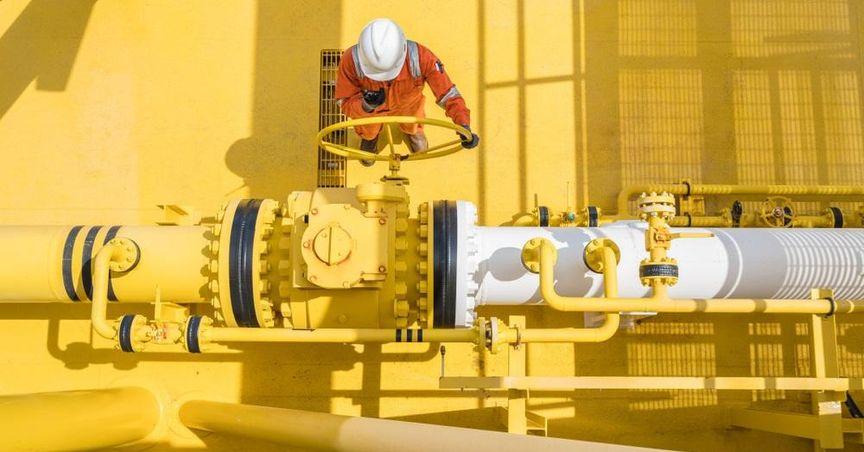
In addition to water services, Essential Utilities Inc. (NYSE:WTRG) operates natural gas distribution systems serving residential and commercial customers. Gas operations include pipeline maintenance, safety inspections, and customer connections within regulated service areas. Gas distribution activities are governed by safety standards and regulatory oversight designed to protect public welfare. This diversification allows Essential Utilities to operate across multiple utility segments while maintaining a consistent regulatory approach.
How Infrastructure Investment Is Coordinated?
Infrastructure planning is central to Essential Utilities’ operations. The company evaluates system condition, capacity requirements, and regulatory obligations to prioritize maintenance and upgrades. Capital programs address aging pipelines, treatment facilities, and safety systems. In equity discussions that reference the Russell 1000 Index, infrastructure-focused companies are often recognized for managing long-lived physical assets that require systematic planning and regulatory approval processes.
How Regulation Shapes Operations?
Regulatory frameworks define service standards, rate structures, and allowable expenditures for Essential Utilities. The company works with state and local regulators to align operational practices with approved guidelines. Regulatory engagement includes reporting, inspections, and public proceedings related to service quality and infrastructure programs. This oversight ensures accountability while supporting the financial sustainability of utility operations.
How Customer Service Is Structured?
Customer service functions support billing, service requests, outage communication, and regulatory compliance. Essential Utilities maintains customer contact centers and digital platforms designed to address service inquiries efficiently. These functions operate alongside field operations to coordinate service connections, maintenance scheduling, and emergency response. Customer engagement remains an operational priority within regulated utility models.
How Utilities Fit Broader Markets?
In broader equity conversations that include the Russell 1000, utility companies are often distinguished by their regulated revenue structures and service obligations. Essential Utilities’ inclusion in such discussions reflects its scale and operational footprint rather than market-driven volatility. Utility providers contribute to economic infrastructure by supporting residential development, industrial activity, and municipal services.
Why Utility Firms Remain Visible?
Mentions of the Russell 1000 ETF frequently appear in discussions involving diversified collections of large public companies. Regulated utilities maintain visibility due to their essential role in daily life and economic function. Essential Utilities continues to operate as a provider of water, wastewater, and natural gas services, maintaining infrastructure systems that support communities and businesses across its service territories.
