
 AUS
AUS
 NZ
NZ
 UK
UK
 CA
CA
 USA
USA
 IND
IND






Highlights
- Duke Energy cancelled a planned Carolina wind project.
- Utility focus shifts to grid reliability and clean power.
- Data center demand remains a major power theme.
A cancelled wind project shifts attention toward clean energy execution, grid reliability, data center demand, storm resilience, and future power planning across a major regulated utility.
Duke Energy (NYSE:DUK) is back in market focus after its Carolina wind project cancellation raised new questions around clean energy execution, utility planning, and regulatory complexity. As a constituent of the S&P 500, the company remains one of the largest regulated utilities in the U.S. equity market. The company is a major electric and natural gas utility serving customers across the Carolinas, Florida, Indiana, Ohio, and Kentucky. The development comes as power companies remain under pressure to modernize grids, manage rising electricity demand, and deliver cleaner generation without weakening service reliability.
Wind Project Exit
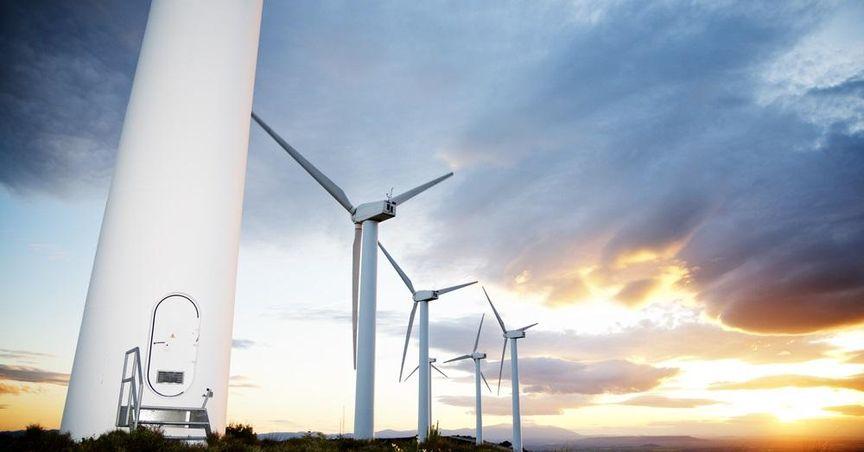
The cancelled Carolina wind project shows how difficult large renewable projects can be, even for an established utility with deep operating experience. Wind development can face permitting reviews, land-use concerns, wildlife questions, local opposition, and shifting project economics. These factors can extend timelines and make completion less certain.
For Duke Energy, the move does not mean clean energy plans have ended. Instead, it highlights that each project must fit technical, financial, regulatory, and community requirements. If one project no longer meets those conditions, the company may redirect focus toward other resources such as solar, battery storage, grid upgrades, or power agreements.
Clean Energy Challenge
Utilities are trying to replace older power assets while keeping electricity dependable. That task is complicated because renewable energy projects require land, approvals, transmission access, and community support. A plan that looks strong on paper can still face delays when it reaches local review.
Duke Energy has continued to frame cleaner generation as part of its long-term power strategy. The company’s challenge is to keep that strategy practical. Wind power can support lower-carbon electricity, but it is also more location-sensitive than some other resources. In the Carolinas, solar development may remain easier to scale because it generally faces fewer visual and noise concerns than wind projects.
Grid Reliability Focus
Reliability remains central to the utility stock business. Customers expect power through storms, demand spikes, and seasonal weather swings. Duke Energy operates across regions exposed to hurricanes, thunderstorms, ice events, and rapid population growth. That makes grid hardening a major part of the company’s infrastructure plan.
Storm resilience work can include stronger poles, underground lines, smart switching equipment, and better monitoring systems. These upgrades help reduce outage time and improve system response. For a regulated utility, this type of spending also supports long-term infrastructure growth, because grid investments are usually reviewed through utility commission processes.
Data Center Demand
Power demand from data centers has become a major topic for utilities. The Carolinas and Florida have attracted technology infrastructure interest because of population growth, land availability, business activity, and power access. Data centers need steady, high-quality electricity, making them important large-load customers for utilities.
This demand can support transmission expansion, distribution upgrades, and new generation planning. It also creates pressure to balance growth with affordability and reliability. Duke Energy’s ability to serve data center load while modernizing its grid may remain an important part of its long-term story.
Nuclear Base Strength
Nuclear power remains a key part of Duke Energy’s generation mix. Nuclear plants can produce steady, carbon-free electricity regardless of weather conditions. That makes them useful alongside solar, wind, and battery storage, which can vary based on sunlight, wind levels, and charging needs.
For a utility managing clean energy goals, nuclear assets can provide a stable foundation. They help support reliability while the company adds newer technologies. Maintaining and extending the useful life of these assets can be important for long-term planning.
EV Power Demand
Electric vehicle adoption can also shape future electricity demand. More home chargers, workplace chargers, and public charging stations increase load on local distribution systems. Duke Energy has worked on programs linked to vehicle charging and customer electrification.
The opportunity is not only about more electricity use. It is also about managing when charging happens. Smart charging can help shift demand away from peak hours and reduce strain on the grid. As more customers adopt electric vehicles, utilities will need to plan carefully for neighbourhood-level power needs.
Utility Sector View
Duke Energy fits the utility category because its core business is regulated electricity and natural gas service. This sector is often judged by reliability, rate base growth, capital planning, regulatory outcomes, and long-term demand trends. The recent wind cancellation adds a project-specific challenge, but the broader business still depends on power demand, infrastructure spending, and service quality.
The company’s next major update may help clarify how management plans to address the lost wind capacity, whether alternative clean energy stock resources will fill the gap, and how grid investment remains aligned with future demand. Market focus may also turn toward cost recovery, customer growth, and load expansion from data centers and electrification.
What To Watch?
The main issue is execution. Clean energy strategy requires more than ambition. It requires projects that can pass regulatory review, gain local acceptance, connect to the grid, and make economic sense. Duke Energy’s cancelled wind project shows that even large utilities must adjust when conditions change.
At the same time, electricity demand is becoming more important across the U.S. economy. Data centers, electric vehicles, grid modernization, and industrial activity are all reshaping utility planning. For Duke Energy (NYSE:DUK), the key test is whether it can keep reliability strong while managing the transition toward cleaner and more flexible power resources.
