
 AUS
AUS
 NZ
NZ
 UK
UK
 CA
CA
 USA
USA
 IND
IND

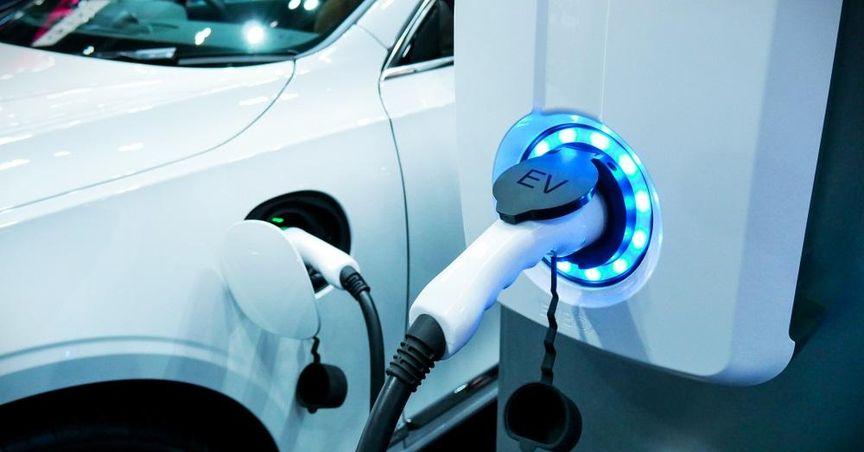





In its third-quarter update, the White House highlighted modest progress in the ongoing expansion of the United States' electric vehicle (EV) charging infrastructure. According to the Joint Office of Energy and Transportation, over 192,000 publicly available Level 2 or DC charging ports are now in operation across the country, marking an increase of approximately 9,000 from the previous quarter. However, the figure represents a slight slowdown from Q2’s addition of 13,000 new charging ports.
Despite the tempered growth, the expanding network is seen as a positive development, addressing a significant obstacle to broader EV adoption: the lack of convenient and accessible charging options. While most of the existing infrastructure is managed by private networks, the federal government is playing a pivotal role in the build-out through the National Electric Vehicle Infrastructure (NEVI) program, which allocates funds for state and federally funded charging stations.
Biden's Ambitious EV Infrastructure Plan
President Joe Biden has made EV adoption a cornerstone of his administration’s climate and transportation strategy, allocating $7.5 billion to expand the nation’s EV charging network. Through public and private investments, the White House aims to install 500,000 new chargers by the end of the decade. This ambitious plan aligns with Biden’s broader vision of reducing vehicle emissions and increasing the number of electric vehicles on the road by 2030.
The administration's efforts have already doubled the size of the EV charging network since the Biden-Harris administration took office. However, challenges remain, particularly in accelerating the deployment of chargers under federally funded programs.
Early Delays and Criticism
The White House faced criticism earlier this year when it revealed that only seven publicly funded charging stations had been built since the NEVI program launched in 2021, with just 38 ports available for public use. Critics argued that the slow pace of development highlighted inefficiencies and raised concerns about the program’s long-term effectiveness.
In response, the Biden administration emphasized the importance of laying a strong foundation for the program, noting that the early stages focused on ensuring high-quality infrastructure before ramping up the pace. Officials expressed confidence that the deployment would accelerate as 2024 progresses, given that many of the groundwork issues have been addressed.
Local and State Governments Key to Success
One of the main obstacles to faster progress is the limited experience of state and local governments in developing charging infrastructure, despite the availability of NEVI funding. Experts suggest that the lack of expertise in planning, permitting, and constructing charging stations has slowed deployment. As more states gain experience, however, the build-out is expected to gather momentum, helping meet the administration’s goals.
Essential for EV Adoption and Emissions Reduction
The continued expansion of the EV charging network is critical to the Biden administration’s efforts to electrify the nation’s vehicle fleet. A more robust charging infrastructure is essential for alleviating concerns about range anxiety, one of the major barriers to wider EV adoption.
