
 AUS
AUS
 NZ
NZ
 UK
UK
 CA
CA
 USA
USA
 IND
IND

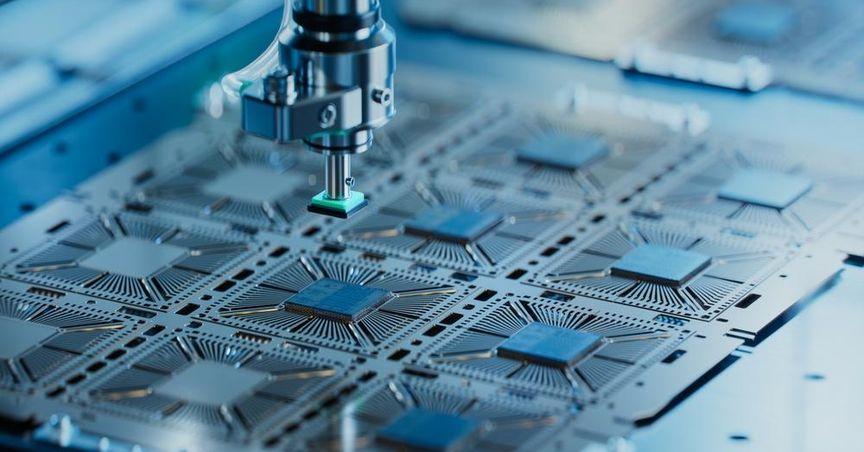





In a remarkably brief period, Nvidia Corp (NASDAQ:NVDA) has transitioned from relative obscurity to become a pivotal force in the artificial intelligence sector. This transformation is epitomized by the company's founder, Jensen Huang, who has ascended from being a little-known figure to being recognized as a leading figure in AI innovation.
The upcoming second-quarter earnings call on Wednesday, 28 August, is generating significant anticipation. Nvidia’s earnings reports are typically high-profile events, but the second quarter is especially notable due to its historical significance.
Reflecting on the previous year, Nvidia delivered an unprecedented semiconductor revenue surge that triggered a flurry of enthusiastic market reactions and a dramatic increase in its share price. This performance propelled Nvidia to reach a two-trillion-dollar valuation, which briefly escalated to the world’s most valuable company status.
The company’s graphics processing units have become essential to the latest AI computing applications, underscoring Nvidia’s central role in the AI revolution. However, the upcoming earnings report is critical for Nvidia to demonstrate that the momentum in AI continues.
Jensen Huang faces considerable pressure. The technology sector's recent boom has been accompanied by volatility, as investors have shown a tendency to react harshly to even minor disappointments. A pertinent example occurred in July when Microsoft Corp (NASDAQ:MSFT) saw its market value decline by $81 billion due to a 19% growth in Azure Cloud computing platform revenues, which fell short of market projections.
Nvidia's success has been largely driven by its advancements in AI technology, but the market remains cautious, particularly with concerns about a potential AI bubble burst. Nvidia’s upcoming report will be closely scrutinized for signs of sustained growth.
A key element in Nvidia’s performance will be the Blackwell chip, which represents the forefront of AI-focused technology. Scheduled for release in early 2025, the reception and pre-orders from major clients will be of particular interest. Meanwhile, the continued performance of Nvidia’s current high-end H series GPUs will also be under review.
Although it is anticipated that Nvidia sold a substantial number of GPUs in the second quarter, the company’s elevated valuation means that mere high sales volumes may not suffice to meet market expectations. The earnings call will be pivotal in addressing these challenges and reinforcing investor confidence in Nvidia's future prospects.
