
 AUS
AUS
 NZ
NZ
 UK
UK
 CA
CA
 USA
USA
 IND
IND

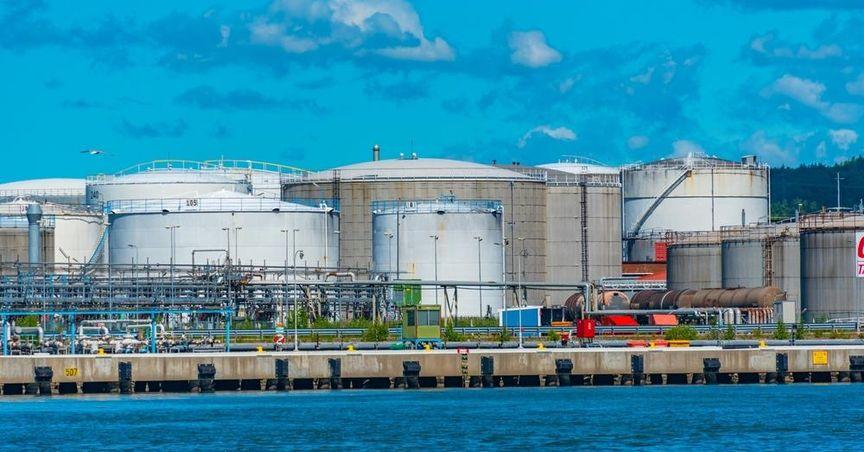




Highlights
- Shell moves into focus as crude oil surges past the hundred-dollar mark on Red Sea disruption
- The energy major is scheduled to report results this week
- Integrated operations, liquefied natural gas and trading reach anchor the company's story
Shell (NYSE:SHEL) has climbed into focus as crude oil vaults above the hundred-dollar mark amid Red Sea shipping disruption, and as the energy major prepares to report results this week. The pairing of a sharp move in oil with an imminent earnings print has drawn market participants to the stock, since Shell ranks among the global supermajors most closely tied to the direction of crude and to the flow of energy across international shipping lanes.
The interest reflects Shell's distinctive standing as one of the world's largest integrated energy companies, with operations spanning exploration, production, refining, chemicals, trading and a commanding position in liquefied natural gas. When oil climbs on supply concerns and shipping routes come under strain, a company of this breadth becomes a natural reference point. With geopolitics keeping crude volatile and the report drawing near, the run-up to Shell's results has taken on heightened significance as the trading week opens.
How Companies Fit the Broader Picture
The immediate trigger is the combination of crude oil vaulting above the hundred-dollar mark on Red Sea disruption and Houthi attacks, and Shell's scheduled earnings report this week. The surge in oil lifts the value of the barrels Shell produces, while the coming print will reveal how the firmer energy backdrop is flowing through its upstream, downstream and trading operations across many regions.
The Red Sea disruption is especially relevant to Shell because it threatens the safe passage of crude, refined products and liquefied natural gas cargoes through a vital maritime corridor. As a major mover of energy across oceans, the company is exposed to the shifting economics that such disruption creates, from higher prices to altered shipping routes. That direct linkage to global energy flows explains why the stock has stepped into sharper focus as the week gets underway.
The Bigger Market Narrative
The oil and gas sector runs from exploration and production through midstream transport to refining, chemicals and marketing. Shell is an integrated major operating across this full chain, from extracting hydrocarbons to processing them into fuels, chemicals and other products for markets worldwide. This integration distinguishes the largest players from pure-play producers and gives them exposure to every link in the value chain, as well as to the trading that connects those links.
Sector fortunes rise and fall with the price of crude, which reflects the global balance of supply and demand and reacts sharply to geopolitical events like the current Red Sea tensions. When prices climb, upstream operations capture more value per barrel, though refining margins can tighten if crude costs outpace fuel prices. Shell's spread across the chain, together with its trading arm, provides a measure of balance against the swings that jolt narrower operators.
What's Driving the Bigger Theme?
Shell organizes its business around upstream oil and gas production, an integrated gas and liquefied natural gas division, chemicals and products, and a marketing arm that reaches customers through service stations and other channels. The upstream unit develops resources across continents and offshore basins, while the integrated gas division has made Shell a leading force in the global liquefied natural gas trade, moving cargoes to markets across Asia and Europe.
This structure gives the company a diversified base that balances the more volatile rhythms of oil against the steadier, contracted flows of gas and the recurring revenue of its marketing network. Shell also operates a substantial trading operation that optimizes the movement of energy across its portfolio, a capability that can add value when markets are volatile. The company has framed its strategy around disciplined capital allocation and a measured approach to lower-carbon energy alongside its core business.
Key Industry Trends to Watch
The market environment this week is dominated for the energy group by the crude surge and the crowded earnings calendar. While megacap technology names and a Federal Reserve rate decision draw attention elsewhere, energy majors are viewed through the lens of the oil move, which feeds into inflation, corporate earnings and the broader market mood. Shell, with its global reach, sits close to these currents.
Recent sessions have been choppy, with equities closing an unsettled week as geopolitics stayed in focus. Against that backdrop, energy stocks have attracted interest as a hedge against inflation and geopolitical shocks, since rising oil often lifts producer earnings even when other sectors falter. As a company whose shares trade on the NYSE Composite through listed depositary shares, Shell registers across a widely watched barometer, so its moves resonate through the energy complex.
How the Market Context Is Evolving
One defining trend is capital discipline across the industry. After earlier cycles of aggressive spending, producers have prioritized efficiency, directing capital toward the lowest-cost, highest-yielding resources while channeling cash to owners of the stock through dividends and cash distributions. Shell has embraced this discipline, presenting measured spending as the way to weather the swings inherent in commodity markets while sustaining steady payouts.
A second trend is the growing importance of natural gas and liquefied natural gas in the global energy mix, as economies seek cleaner-burning fuel to complement the transition toward lower-carbon sources. Shell has positioned its integrated gas business at the center of this trend, leaning on its leading role in the seaborne gas trade. Alongside this runs a measured push into lower-carbon ventures, as the industry navigates a shifting landscape while continuing to supply the oil and gas the world depends on.
What Could Shape the Next Phase?
Shell positions itself as a diversified energy major with a distinctive strength in gas and liquefied natural gas, paired with disciplined capital allocation and a focus on generating steady cash flow. Its strategy emphasizes balancing reliable rewards to owners of the stock with measured spending on both traditional and lower-carbon energy. This positioning is meant to reassure the market that the company can prosper across a range of price environments.
The company also highlights its trading expertise and global reach as competitive strengths, arguing that its ability to move energy across markets adds value that pure producers cannot easily replicate. This blend of integrated operations, a gas-heavy portfolio and a disciplined financial approach forms the backbone of how Shell presents itself. With crude surging and shipping routes under strain, that positioning gains fresh relevance as market participants weigh how the company navigates the turbulence.
Sector Signals Worth Following
Recent developments across the energy majors have centered on how firmly they can capture higher crude prices while keeping to spending discipline. As oil climbs on the Red Sea disruption, attention has turned to whether producers will maintain measured capital budgets or pursue faster growth. Shell has signaled a preference for disciplined spending concentrated on its most advantaged assets and its gas franchise, a stance market watchers will examine in the coming report.
The company has also continued to advance its liquefied natural gas developments and to expand its marketing and lower-carbon ventures. These moves reflect an effort to grow durable cash flow while positioning for a shifting energy mix. Each strand feeds the narrative that greets Shell as it approaches its earnings print, with the crude surge and the strain on shipping lanes sharpening interest in how the integrated model is performing right now.
Why This Theme Is Gaining Attention
Operationally, Shell concentrates on lowering costs across its portfolio while sustaining reliable production and the smooth movement of energy through its trading and logistics networks. The company has pursued efficiency through technology, disciplined project execution and the high-grading of its assets toward its strongest positions. This focus on cost and reliability is meant to widen the margin between spending and the value it captures, especially valuable when prices and shipping conditions swing.
At the same time, the company directs capital toward its gas franchise, selective upstream developments and its lower-carbon initiatives, balancing near-term output against longer-horizon positioning. Managing this balance, sustaining production while committing resources to the energy landscape ahead, is a continuing operational theme. Shell frames its approach as one that preserves financial strength and flexibility across the commodity cycle while keeping spending firmly under control.
Looking Beyond the Headlines
The industry faces enduring challenges. The volatility of crude prices means earnings can swing sharply with global supply and demand, testing the discipline of even the largest players. Geopolitical events like the Red Sea disruption can move prices dramatically and reroute shipping with little warning, complicating planning for a company that moves energy across oceans. Shell must navigate this volatility while sustaining long-cycle developments that span years.
The energy transition adds another challenge, as pressure grows to reduce emissions and prepare for a lower-carbon world while still meeting current demand for oil and gas. Balancing spending on traditional production against emerging lower-carbon ventures is delicate. Layered onto these are regulatory and environmental requirements that vary across the many jurisdictions where Shell operates, adding complexity to an already cyclical and globally exposed business.
The Competitive Landscape
Shell competes with a handful of other integrated supermajors for the largest and most complex energy projects, alongside national oil companies commanding vast reserves and independents focused on specific basins. In liquefied natural gas and trading, it contends with other large players for share of the global seaborne market. The rivalry centers on securing advantaged resources, executing efficiently and moving energy efficiently across markets.
Beyond traditional rivals, the company faces competition tied to the energy transition, as firms across the spectrum position for a lower-carbon landscape. Shell leans on its strength in gas, its trading expertise and its integrated model to argue that it can supply today's energy needs while adapting to tomorrow's, a breadth few rivals can match across the full energy chain. That stance underpins how the company frames its standing among Oil and Gas Stocks drawing heightened attention as crude climbs and shipping routes come under strain this week.
Reading the Crude Surge
The crude surge is a central variable for a major of Shell's profile. Higher oil prices lift the value of the barrels it produces, directly strengthening the earning power of its upstream operations. The move above the hundred-dollar mark therefore carries real weight for the coming report, framing how strongly the company can capture the upswing across its diversified operations.
The Red Sea disruption behind the surge also injects uncertainty, since prices could ease if tensions calm or climb further if the situation worsens, while rerouted shipping alters the economics of moving cargoes. For a company deeply engaged in the seaborne movement of energy, that two-sided sensitivity is pronounced. How Shell manages its integrated portfolio and trading through this volatility will shape sentiment toward the stock as the energy story keeps unfolding this week.
Gas, Trading and Portfolio Balance
A distinctive strength for Shell is its leading role in liquefied natural gas, which ties the company to growing global demand for cleaner-burning fuel and provides steadier, often contracted, cash flow that can balance the swings in oil. As the Red Sea disruption heightens attention on the security of energy supply routes, the value of a diversified gas franchise becomes especially clear. This gas-heavy tilt sets Shell apart from peers weighted more toward crude.
Shell's trading operation adds another dimension, allowing the company to optimize the movement of energy across its portfolio and to capture value when markets are volatile. In turbulent conditions like the present, a sophisticated trading arm can turn dislocation into advantage by directing cargoes to where they command the strongest pricing. How the gas franchise and trading operation perform alongside the upstream is a thread market watchers weigh as the company approaches its report. That combination of durable, often contracted gas revenue and a nimble trading arm is a defining feature of how the company is built to navigate turbulent energy markets.
Broader Market Relevance
The relevance of Shell reaches well beyond its own shares. As one of the world's leading energy producers and a dominant force in liquefied natural gas, its performance shapes sentiment across the oil and gas complex and feeds into the wider inflation debate gripping the market. When a crude surge lifts a major of this scale, the effect ripples through related sectors and colors the mood of the broader market.
That barometer function explains why the stock has climbed into focus as crude tops the hundred-dollar mark and results loom this week. Shell sits at the intersection of geopolitics, energy prices, global shipping and inflation, giving its story a reach that touches many corners of the market. For anyone tracking how the oil surge and the strain on shipping lanes are moving through the economy, the company offers a revealing vantage point in the days ahead.
What to Watch Next
Looking ahead, Shell's earnings report this week is the immediate focus, with attention centered on how fully the company is capturing higher crude prices across its upstream, gas, refining and trading operations. Alongside it, the trajectory of oil, tied to the Red Sea situation, will remain the dominant variable for the energy group as the week progresses and geopolitics stays in focus.
For the company specifically, the themes to track are the strength of upstream earnings, the performance of the liquefied natural gas franchise, the contribution of trading, the health of refining margins and the discipline of capital spending. Each speaks to how the integrated model is performing amid a surging crude backdrop and strained shipping lanes. Taken together, these strands explain why Shell has climbed into sharper focus as one of the market's most closely watched energy names this week.
