
 AUS
AUS
 NZ
NZ
 UK
UK
 CA
CA
 USA
USA
 IND
IND





Highlights
- Hormuz headlines keep energy stocks highly volatile.
- Shale producers react sharply to crude moves.
- Oil-services firms face uncertain drilling demand.
Strait of Hormuz tensions are driving sharp moves across energy stocks as shale producers, integrated majors, and oil-services firms respond to shifting crude prices and diplomatic uncertainty.
The Strait of Hormuz has become a powerful force behind recent energy market volatility, with geopolitical headlines around Iran, Washington, and regional diplomacy reshaping sentiment across U.S. oil-linked companies. Diamondback Energy (NASDAQ:FANG), an independent shale producer focused on U.S. oil and gas development, has remained highly sensitive to crude price swings as traders monitor every update tied to this critical waterway and its influence on the broader S&P 500 energy landscape.
Hormuz Risk Drives Volatility
The Strait of Hormuz is one of the world’s most important energy chokepoints. A major share of seaborne crude and liquefied natural gas moves through the narrow passage, making it central to global supply expectations.
When diplomatic talks appear to improve, crude prices often ease as supply disruption fears decline. When negotiations stall or threats around the waterway return, crude can rise quickly as markets price in renewed risk. This back-and-forth pattern has created rapid swings across energy-linked equities.
The latest market action shows how closely energy stocks can react to geopolitical developments. Headlines tied to Iran, regional security, and shipping routes have become near-term drivers for producers, service companies, and integrated energy firms.
Shale Producers React Fast
Shale-focused companies often move more sharply than diversified energy giants because their earnings are closely linked to crude prices. Diamondback Energy, Devon Energy (NYSE:DVN), an independent U.S. oil and natural gas producer, and APA Corporation (NASDAQ:APA), an exploration and production company with global upstream operations, are examples of businesses that can feel direct pressure when oil prices shift.
These companies do not have the same refining or chemicals operations that help larger integrated groups balance crude price changes. As a result, their share prices may respond quickly when oil futures move on geopolitical headlines.
Despite the volatility, many shale producers have focused on capital discipline, stronger balance sheets, and more selective drilling programs. This approach reflects a shift from aggressive production growth toward cash flow stability and operational control.
Integrated Majors Offer Balance
Integrated energy companies tend to move differently during crude price swings. Exxon Mobil (NYSE:XOM), a global energy company involved in exploration, production, refining, and chemicals, and Chevron (NYSE:CVX), a multinational energy producer with upstream and downstream operations, have broader business models.
When crude prices decline, refining operations may benefit from lower input costs, helping offset pressure in production businesses. This diversification can provide more balance compared with shale-focused producers.
However, integrated majors are still exposed to energy market sentiment. A major geopolitical escalation around the Strait of Hormuz could affect crude prices, refining margins, transportation costs, and broader energy demand expectations.
Oil Services Face Uncertainty
Oil-services companies face a different challenge. Their performance depends less on daily crude price movement and more on producer confidence. If oil companies feel uncertain about future prices, they may delay drilling, completions, or field development work.
SLB (NYSE:SLB), a global oilfield services and energy technology company, Halliburton (NYSE:HAL), a major provider of drilling and completion services, and Baker Hughes (NASDAQ:BKR), an energy technology and oilfield services company with gas and industrial exposure, all depend on producer activity levels.
When crude prices are volatile, customers may take a cautious approach to spending. This can affect demand for equipment, crews, technology, and field services. North American shale activity is especially sensitive because producers can adjust budgets more quickly than long-cycle offshore or international projects.
Service Models Differ
Although oil-services companies often move together during headline-driven markets, their business mixes are different. SLB has a broad international footprint and significant exposure to long-cycle projects. Halliburton is more closely tied to North American shale activity. Baker Hughes has meaningful exposure to liquefied natural gas and industrial technology.
These differences matter when the market shifts back toward company fundamentals. In periods of geopolitical stress, stocks may move as a group. Over time, backlog quality, customer exposure, technology capabilities, and international activity can create separation.
The services industry has also become more focused on efficiency. Digital drilling tools, automated completions, and remote operations are reshaping how energy companies manage production. This gives service providers new revenue opportunities while changing traditional equipment demand.
Supply Routes Matter
The latest volatility has reinforced the importance of secure energy supply routes. Any threat to the Strait of Hormuz can quickly affect global supply expectations because alternate routes cannot fully replace the volume that moves through the waterway.
This has increased attention on energy supplies from regions with safer logistics. U.S. shale production, Canadian energy exports, and Gulf Coast liquefied natural gas infrastructure may carry strategic value in a world where shipping chokepoints remain vulnerable.
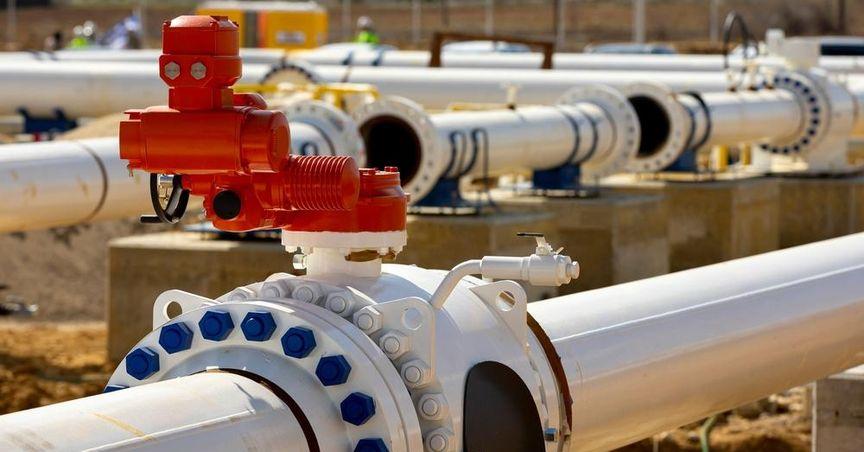
Energy infrastructure remains important for market stability. Pipelines, export terminals, storage assets, and logistics networks can help reduce pressure when global shipping routes face disruption risk.
Market Rotation Continues
Energy stocks often behave differently from other sectors during geopolitical stress. When crude prices rise, energy producers may benefit, while broader markets can worry about inflation and consumer pressure. When tensions ease and crude declines, other sectors may gain support from lower energy costs.
This dynamic explains why energy can act as a hedge during periods of geopolitical uncertainty. However, that same role can create downside pressure when diplomatic progress reduces the risk premium in oil prices.
For broader market participants, energy volatility is not only about crude. It also affects inflation expectations, bond yields, transportation costs, industrial margins, and consumer spending trends.
Key Risks Ahead
The biggest uncertainty remains the diplomatic path ahead. A durable agreement could reduce the risk premium in oil and refocus attention on inventories, demand, and production discipline. Another breakdown could quickly revive concerns about shipping disruption and supply security.
For shale producers, the main risks include lower crude prices, weaker margins, and sudden shifts in market sentiment. For oil-services firms, the biggest concern is activity uncertainty, as producers may delay spending until pricing visibility improves.
The current environment remains highly headline-sensitive. Company fundamentals still matter, but geopolitical developments can dominate short-term trading patterns.
