
 AUS
AUS
 NZ
NZ
 UK
UK
 CA
CA
 USA
USA
 IND
IND






Highlights
- Nexa Resources expands mining-based production
- Smelting activities reinforce multi-metal capabilities
- Operational structure supports international resource demand
Nexa Resources SA (NYSE:NEXA) operates as a multinational mining and smelting organisation engaged in the production and processing of zinc-based materials along with varied metallic by-products. The company maintains operations across numerous regions, delivering refined materials used in industrial manufacturing, construction applications, and global supply networks. Through its integrated Mining and Smelting segments, Nexa Resources supports the extraction, transformation, and distribution of metals essential to commercial industries. The company’s presence illustrates how large-scale production platforms contribute to cross-border material availability without referencing external indices or market-linked measurements.
How Does Nexa Structure Mining Activities?
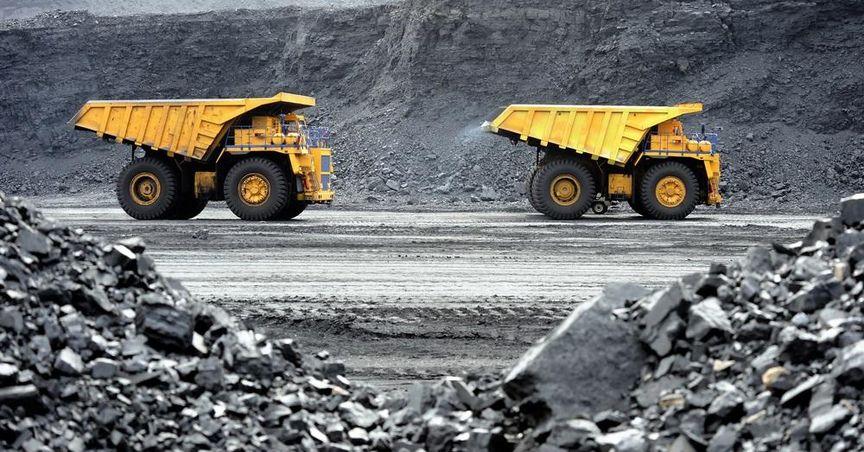
Nexa Resources structures its mining activities through coordinated extraction programs designed to secure consistent access to zinc-rich deposits across multiple geological environments. The Mining segment oversees exploration procedures, ore collection routines, and mineral preparation systems supporting subsequent transformation stages. These activities rely on specialised teams, equipment fleets, and operational centres positioned near primary extraction zones. The company manages varied mineral bodies that contain zinc, auxiliary metals, and metallic compounds used in industrial applications. Structured oversight of drilling, transport, and mineral handling helps maintain dependable operational flow across mining zones while supporting downstream smelting functions.
Why Does Nexa Expand Smelting Capabilities?
Smelting capabilities expand to meet global demand for refined metals across industrial production zones, construction industries, and manufacturing ecosystems. Nexa Resources operates smelting facilities designed to convert mined minerals into refined materials such as zinc, zinc oxide, zincal, and zamac. These facilities also produce essential by-products including copper derivatives, silver compounds, lead materials, and other processed metallic substances. Smelting processes rely on controlled heating cycles, material purification stages, and chemical separation systems that convert raw ore into commercially usable forms.
Where Does Nexa Manage Resource Distribution?
Resource distribution is managed through regional hubs, storage facilities, and transportation routes configured to support consistent delivery across international markets. Nexa Resources coordinates logistics operations that include packaging, scheduling, and routing of finished materials across land, sea, and regional transit systems. These distribution processes ensure that zinc, refined alloys, metallic compounds, and associated by-products reach industrial customers that rely on stable material flow. Distribution activities involve alignment between mining centres, smelting facilities, and customer regions requiring consistent access to processed metal.
How Does Nexa Support Material Diversity?
Material diversity is supported through the company’s ability to produce multiple refined substances across zinc-related product families and metallic by-product classifications. Nexa Resources SA (NYSE:NEXA) offers zinc, zamac, zincal, and zinc oxide along with auxiliary materials derived from extraction and smelting cycles. These materials support industrial processes involving alloy creation, galvanisation, chemical formulation, energy infrastructure, and component manufacturing. Material diversity allows customers to access different metal compositions required for varied production environments.
What Shapes Nexa Operational Integration?
Operational integration is shaped by coordinated management of mining, smelting, logistics, and quality assurance systems across the organisation’s international footprint. Nexa Resources combines extraction activities with processing facilities, enabling controlled oversight across the entire material lifecycle from initial ore collection to final metal delivery. Integrated operations ensure raw material quality is preserved through each stage, reducing inefficiencies while enhancing output consistency. This alignment supports manufacturing customers requiring predictable supply of refined materials for industrial applications.
Why Does Nexa Reinforce Production Stability?
Production stability is reinforced through long-term planning cycles guiding ore supply management, facility maintenance, and smelting continuity across operational zones. Nexa Resources structures production schedules to maintain reliable output, ensuring refined materials remain available for customer industries requiring uninterrupted supplies. Stability efforts include ongoing equipment calibration, controlled furnace operations, material flow monitoring, and workforce coordination across mining and smelting centres. These efforts help maintain predictable production momentum across varied operational landscapes.
Where Does Nexa Expand Industrial Reach?
Industrial reach expands across regions relying on metal-based production inputs essential for construction, automotive manufacturing, electronics development, and industrial fabrication. Nexa Resources SA (NYSE:NEXA) supplies zinc and related materials used in galvanisation, alloy creation, component strengthening, and structural reinforcement across these sectors. The organisation’s international footprint allows customers to access refined materials through structured distribution programs aligned with regional production cycles and consumption patterns.
How Does Nexa Enhance Long-Term Capability?
Long-term capability is enhanced through continuous improvement of mining techniques, smelting technology, and logistics coordination systems. Nexa Resources develops strategic programs that refine extraction efficiency, strengthen processing accuracy, and improve material consistency across the full production cycle. Ongoing technological enhancements allow the organisation to expand operational adaptability and maintain reliable supply conditions across fluctuating industrial requirements.
