
 AUS
AUS
 NZ
NZ
 UK
UK
 CA
CA
 USA
USA
 IND
IND






Highlights
- GE Aerospace operates across commercial aviation and defense propulsion markets.
- Engine manufacturing and aftermarket services remain central to the company's industrial activities.
- Aerospace production trends continue to shape discussion across the S&P 500 industrial sector.
The aerospace sector continues to attract attention as global aviation activity supports demand for aircraft engines, maintenance services, and advanced propulsion technologies. GE Aerospace (NYSE:GE) operates within the aerospace and defense sector, supplying commercial and military propulsion systems while maintaining one of the industry's largest installed engine fleets. As a constituent of the S&P 500, the company remains closely associated with broader industrial activity and developments across global aviation. The business is also widely recognised within Industrial Stocks.
Commercial Aviation Operations
Commercial aerospace forms a major part of the company's activities. The business develops and manufactures jet engines used on a wide range of narrow-body and wide-body aircraft serving airlines worldwide. Engine programmes support aircraft produced by leading airframe manufacturers, while long-term maintenance programmes continue throughout each engine's operating life.
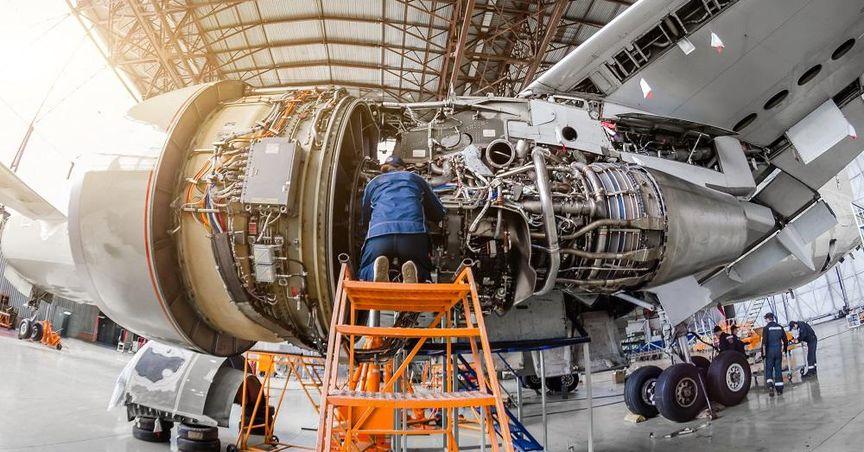
Aircraft engines require scheduled inspections, repairs, component replacements, and complete overhauls after specified operating intervals. These servicing activities create continuous engineering work that extends well beyond initial engine deliveries. The combination of manufacturing and technical support forms an important characteristic of the aerospace industry.
Aftermarket Services
A significant portion of operations involves aftermarket support. Airlines and aircraft operators rely on maintenance, repair, and overhaul facilities to maintain operational readiness across their fleets. Spare parts distribution, engineering support, digital monitoring systems, and technical upgrades also contribute to ongoing activities.
The installed engine base continues to generate maintenance requirements as aircraft accumulate additional flight hours. Service centres located across multiple regions provide technical expertise supporting commercial aviation customers throughout engine operating cycles.
Growing airline passenger traffic across many international markets has contributed to continued utilisation of existing aircraft fleets, supporting demand for maintenance services alongside new aircraft production.
Defense Propulsion Activities
Alongside commercial aviation, the company manufactures propulsion systems for military aircraft. These include engines supporting fighter aircraft, transport aircraft, helicopters, and other defence platforms operated by government organisations.
Military propulsion programmes generally involve extended production schedules, engineering support, spare components, and ongoing maintenance activities throughout operational service. Defence contracts often span multiple years, reflecting the specialised nature of aerospace manufacturing.
Research activities also support advancements in propulsion efficiency, materials engineering, thermal management, and digital technologies designed for next-generation aerospace applications.
Manufacturing Network
Large-scale aerospace manufacturing depends upon highly specialised production facilities supported by complex supplier networks. Engine production involves precision machining, advanced alloys, composite materials, additive manufacturing technologies, and extensive quality testing before delivery.
Facilities located across North America, Europe, and other international locations contribute to different stages of production. Components manufactured by specialised suppliers are integrated into completed propulsion systems before final assembly and testing.
Supply chain coordination remains an important operational element throughout aerospace manufacturing, with thousands of precision-engineered components incorporated into modern aircraft engines.
Industry Developments
The commercial aviation industry continues adjusting to expanding airline capacity, aircraft replacement programmes, and increasing passenger demand across many international routes. Airlines continue introducing newer aircraft designed for improved operational efficiency and lower emissions.
Engine manufacturers remain closely connected with these developments because every aircraft delivery requires propulsion systems supported by long-term maintenance capabilities. Aircraft utilisation also influences future maintenance requirements as existing fleets remain active.
Within the broader S&P 500, aerospace companies contribute to industrial production, manufacturing activity, exports, and engineering innovation across the United States.
Engineering Innovation
Modern aircraft engines incorporate advanced digital technologies designed to improve monitoring, operational efficiency, and maintenance planning. Digital diagnostic systems collect operating information during flights, allowing maintenance teams to evaluate engine performance using predictive monitoring tools.
Material science has also become increasingly important. Lightweight composites, ceramic matrix materials, and advanced turbine technologies continue supporting improvements in engine durability and fuel efficiency.
Engineering development extends across commercial and military programmes, reflecting continuing advancements within aerospace manufacturing.
Global Presence
Operations extend across numerous international markets supporting commercial airlines, cargo operators, defence organisations, and maintenance providers. Global aviation depends upon extensive engineering networks capable of supplying replacement components, technical expertise, and certified maintenance services.
International facilities also support regional customers through engineering centres, repair facilities, logistics operations, and technical training programmes. This worldwide footprint enables aircraft operators to access specialised services across multiple continents.
Aviation activity varies between regions, although global connectivity continues supporting long-term demand for commercial aircraft maintenance and propulsion technologies.
Competitive Environment
Aircraft engine manufacturing represents one of the most technically demanding segments within industrial manufacturing. Competition centres around engineering capability, manufacturing quality, operational reliability, maintenance expertise, and long-term customer support.
Large engine manufacturers also collaborate with aircraft manufacturers throughout aircraft development programmes, integrating propulsion technologies into new commercial and military platforms. Long production timelines and certification requirements distinguish aerospace manufacturing from many other industrial sectors.
Ongoing engineering improvements continue supporting quieter operations, improved efficiency, reduced emissions, and enhanced durability across successive engine generations.
Industrial Sector Relevance
Industrial manufacturing encompasses machinery, transportation equipment, aerospace systems, and advanced engineering technologies. Aerospace companies contribute significantly through research activities, specialised manufacturing, exports, and highly skilled engineering employment.
As part of the S&P 500, aerospace businesses often reflect broader industrial production trends. Commercial aviation activity, aircraft manufacturing rates, defence programmes, and maintenance requirements collectively influence activity throughout the aerospace supply chain.
The company's combination of commercial propulsion systems, defence technologies, engineering expertise, and global maintenance operations continues to position it among the largest participants within the aerospace manufacturing industry.
