
 AUS
AUS
 NZ
NZ
 UK
UK
 CA
CA
 USA
USA
 IND
IND






Highlights
- Caterpillar leads industrial market attention.
- Data center power needs to support demand.
- Heavy machinery remains central to growth.
Caterpillar remains in focus as data center power needs to lift attention on industrial equipment, engines, turbines, and heavy machinery tied to construction, mining, and power generation.
Caterpillar (NYSE:CAT), a global maker of heavy machinery, engines, turbines, and power generation equipment, has moved into sharp market focus as demand for data center electricity reshapes the industrial landscape. As a major name within the S&P 500, the company is drawing attention for its role in supplying equipment that supports construction, mining, energy systems, and power-hungry computing infrastructure.
Caterpillar Leads Industrial Momentum
Caterpillar is one of the best-known industrial equipment companies in the United States. The company designs, manufactures, and supports machinery used in construction, mining, energy, transportation, and infrastructure projects.
Its equipment includes earthmoving machines, mining trucks, engines, turbines, and power systems. These products place Caterpillar at the center of physical development, from building sites to resource projects and energy facilities.
Recent market attention has centered on the company’s power generation business. Data centers require steady and reliable electricity, and Caterpillar’s engines and turbines are closely linked to that demand. This connection has helped strengthen discussion around the company as industrial names gain broader attention.
Data Centers Drive Demand
Data centers have become one of the most important sources of new power demand across the economy. These facilities support cloud computing, artificial intelligence workloads, digital storage, and large-scale processing systems.
As computing needs expand, electricity requirements also rise. Data center operators need dependable power systems that can support continuous operations. Caterpillar’s power generation equipment helps serve this need through engines and turbines designed for demanding environments.
This trend shows how the rise of digital infrastructure is not limited to software or semiconductor companies. It also reaches industrial equipment makers that help provide the physical systems behind modern computing.
Power Equipment Gains Focus
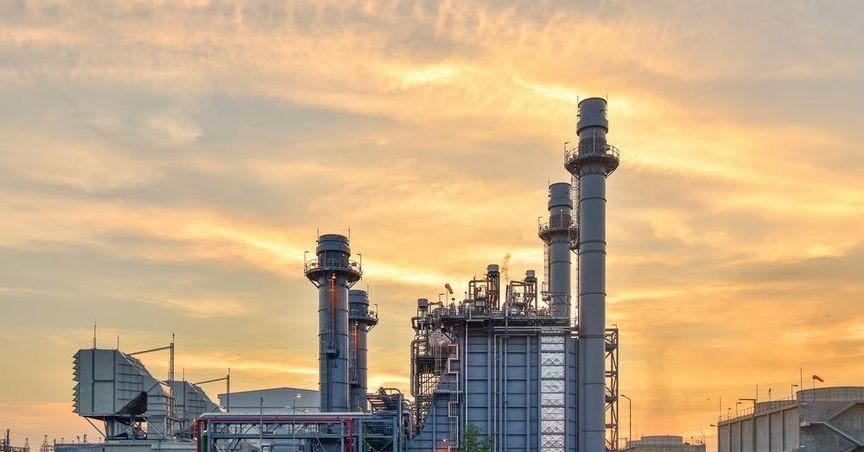
Caterpillar’s power generation business has become a central part of the market conversation. The company supplies large engines, turbines, and related systems used to generate electricity for customers across multiple industries.
Power equipment can serve data centers, energy projects, industrial sites, and backup power needs. For data centers, reliability is especially important because interruptions can affect large digital operations.
This has increased attention on companies that can provide equipment for large-scale power needs. Caterpillar’s long history in engines and industrial systems gives it a strong position in this space.
Heavy Machinery Remains Core
While data center power demand is drawing attention, Caterpillar’s heavy machinery business remains the foundation of the company.
Its machines are used to move earth, build roads, support mining operations, and assist large construction projects. This gives the company wide exposure to physical infrastructure activity.
Construction and mining remain important end markets. Demand in these areas can shift with economic conditions, commodity activity, infrastructure plans, and project spending. Even as power generation becomes a larger discussion point, heavy machinery continues to define Caterpillar’s industrial identity.
Industrial Sector Gains Strength
The broader industrial stocks space has gained attention as market focus shifts toward companies tied to machinery, power, infrastructure, and manufacturing systems.
Industrial companies support the physical backbone of the economy. They produce the equipment, components, engines, systems, and tools needed for construction, energy, transportation, and production.
Caterpillar fits strongly within this category because its products support both traditional infrastructure and newer power-related demand from computing facilities. This combination has helped the company remain central to the industrial market story.
AI Power Needs Expand
Artificial intelligence has increased attention on electricity demand. Large computing systems require significant energy, cooling, and backup support.
This has created a link between artificial intelligence development and industrial equipment. Companies that produce engines, turbines, grid equipment, and electrical systems are now part of the broader AI infrastructure discussion.
Caterpillar benefits from this theme through its power generation capabilities. Its equipment can help support facilities that require reliable electricity around the clock.
This connection has made the company relevant to both traditional industrial activity and modern digital infrastructure growth.
Machinery Meets Modern Computing
Caterpillar’s role in the current market environment highlights an important shift. Heavy machinery companies are no longer viewed only through construction and mining activity.
They are also being discussed in connection with data centers, power systems, and AI-related electricity demand. This broadens the way industrial equipment makers are evaluated.
Caterpillar sits at this intersection. Its machinery supports physical development, while its power generation systems support the energy needs of modern computing sites.
This mix gives the company a wider business profile than a traditional machinery maker alone.
Market Setting Shapes Sentiment
The wider market setting has also contributed to attention on Caterpillar. Major indexes have shown strength, energy markets have appeared steadier, and monetary policy remains closely watched.
For industrial companies, interest rate conditions matter because large projects often require significant capital planning. Construction, mining, and infrastructure work can be influenced by financing costs and broader economic confidence.
Caterpillar operates in industries where long-term projects and equipment cycles are important. As a result, market conditions can shape demand across its customer base.
Energy Stability Adds Support
Energy market stability is also important for industrial companies. Fuel costs, transportation costs, and energy availability can influence project economics and operating conditions.
A steadier energy backdrop can support confidence across construction, mining, and industrial activity. For Caterpillar, this matters because many customers operate in energy-sensitive sectors.
At the same time, power generation demand remains a separate growth driver. Data centers, factories, and critical infrastructure require dependable electricity systems, creating demand for equipment that can support continuous operations.
Competitive Landscape Stays Active
Caterpillar operates in a competitive industrial field. It competes with machinery makers, engine producers, turbine suppliers, and companies involved in electrical infrastructure.
GE Vernova (NYSE:GEV), a power and electrification company, is connected to electricity generation, grid systems, and energy transition equipment. Eaton (NYSE:ETN), an intelligent power management company, supplies electrical components and systems used across commercial, industrial, and infrastructure markets.
These companies show how broad the industrial power theme has become. Caterpillar remains distinct because it combines heavy machinery with power generation equipment, giving it exposure to multiple areas of the physical economy.
Business Scale Remains Important
Caterpillar’s scale is one of its defining strengths. The company has a global equipment base, a broad customer network, and a long-standing presence across major industrial markets.
Large machinery businesses require engineering depth, manufacturing capacity, service networks, and parts support. Caterpillar’s ability to serve customers after equipment delivery is an important part of its business model.
This support network helps the company stay connected with customers across construction, mining, energy, and power generation markets.
Data Center Theme Deepens
The data center theme remains one of the most important reasons Caterpillar is receiving attention.
Modern data centers need power systems that can operate reliably and support heavy electricity requirements. Engines and turbines can play an important role in supporting these facilities.
As digital infrastructure expands, demand for reliable power equipment may remain a key business driver. Caterpillar’s established power generation operations place the company within this expanding theme.
Industrial Role Remains Clear
Caterpillar’s position in the economy is clear. The company builds and supports equipment that helps move materials, construct infrastructure, extract resources, and generate power.
This makes it relevant across both old-economy and new-economy themes. Construction and mining remain core markets, while data center power demand creates a newer source of attention.
The company’s role across these areas explains why it has become one of the most discussed industrial names during the current market rotation.
Key Risks Stay Visible
Despite strong market attention, Caterpillar operates in sectors that can shift with economic conditions.
Construction activity can weaken when project activity slows. Mining demand can change with commodity trends. Power generation demand depends on customer spending, energy needs, and infrastructure planning.
The company also operates in capital-intensive markets. Manufacturing heavy machinery and power equipment requires ongoing spending on facilities, technology, supply chains, and product support.
These factors remain important when assessing Caterpillar’s business path.
Caterpillar Remains In Focus
Caterpillar (NYSE:CAT), has become a key name in the industrial rally because it connects heavy machinery, power generation, and data center demand.
Its equipment supports construction sites, mining projects, energy systems, and computing infrastructure. This wide reach gives the company a central role in the industrial segment.
As power needs tied to data centers continue shaping market discussion, Caterpillar’s engines and turbines remain important parts of the story. The company’s blend of machinery and power systems keeps it firmly in focus across the industrial landscape.
