
 AUS
AUS
 NZ
NZ
 UK
UK
 CA
CA
 USA
USA
 IND
IND






Highlights
- Marine transportation activity remained central within energy logistics and industrial shipping operations.
- Kirby attracted market attention following discussion surrounding executive share transactions and ownership structure.
- Broader transportation sector movement connected with the Russell 1000 Index continued shaping industrial market sentiment.
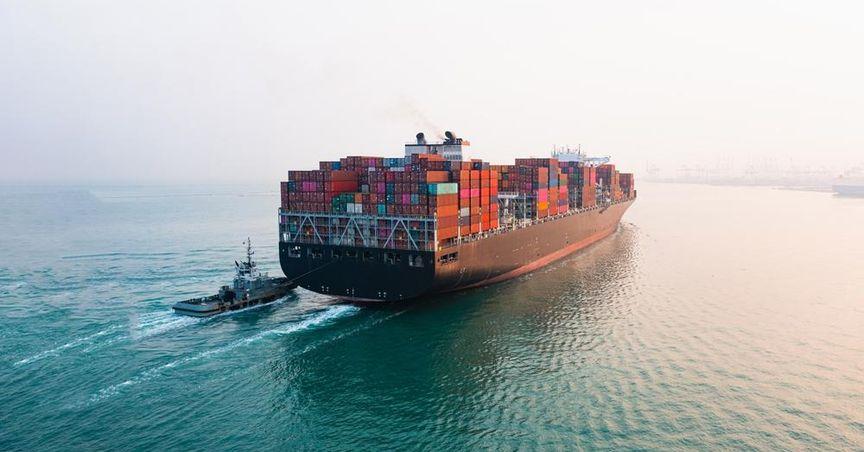
Russell 1000 Index attention surrounded Kirby amid marine transportation discussion, industrial logistics operations, inland cargo movement, and commercial shipping infrastructure across North America.
Marine transportation and industrial logistics companies continue supporting energy distribution, chemical movement, and commercial cargo operations across North America. Within this environment, Kirby Corporation remained in focus following discussion tied to executive share transactions and ownership activity. Attention connected with the [Russell 1000 Index] also highlighted broader transportation sector trends involving inland shipping networks and industrial service operations.
Inland Marine Transportation Operations
Kirby operates within the marine transportation and industrial services sector, providing inland tank barge transportation for bulk liquid products throughout the United States river system and coastal waterways. Operations support the movement of petroleum products, petrochemicals, agricultural chemicals, and refined energy materials.
Marine transportation remains a critical component within North American industrial infrastructure. Inland barge systems facilitate cargo movement across extensive waterway networks connecting refineries, storage terminals, industrial plants, and distribution facilities.
The transportation of liquid cargo through inland waterways often supports refinery activity, chemical manufacturing operations, and agricultural distribution systems. Tank barges and towboats remain central within regional logistics chains tied to industrial production and energy transportation.
Industrial service operations also form an important part of Kirby’s business structure. Service divisions support marine engine systems, power generation equipment, transmission systems, and related industrial machinery used across commercial and transportation industries.
Executive Share Activity and Market Attention
Recent market discussion surrounding Kirby Corporation (NYSE:KEX) centered on executive share transactions and broader ownership activity. Share transaction disclosures often attract attention across public companies, particularly within transportation and industrial sectors.
Corporate ownership structures remain closely monitored across publicly traded transportation firms. Executive ownership levels, institutional participation, and transaction activity frequently become part of broader market discussion involving corporate governance and operational alignment.
Transportation companies operating across energy logistics and industrial shipping environments often experience changing market attention linked to freight conditions, fuel activity, refinery operations, and industrial demand patterns.
Market discussion connected with executive transactions generally reflects ongoing interest surrounding corporate participation within publicly listed enterprises. Transportation and industrial companies frequently disclose such activity through regulatory filings and shareholder communications.
Industrial shipping groups continue operating within an environment shaped by commodity transportation needs, refinery throughput conditions, and manufacturing activity across regional markets.
Energy Logistics and Industrial Demand
Energy logistics remains a major operational area for inland marine transportation companies. Refined petroleum products, chemicals, and industrial liquids frequently move through inland waterway systems linking production facilities with commercial distribution points.
Kirby Corporation operates within sectors tied closely to refinery operations, chemical processing activity, and industrial transportation demand. Waterborne transportation systems often provide large scale cargo movement capabilities for liquid commodities requiring specialized handling infrastructure.
Industrial production patterns continue influencing transportation activity throughout inland shipping networks. Manufacturing output, refinery utilization, and agricultural processing activity frequently affect cargo movement across marine transportation routes.
Marine transportation companies additionally coordinate maintenance services, fleet management operations, and equipment modernization programs to support vessel reliability and operational continuity. Engine servicing, component maintenance, and transmission support remain important aspects within industrial service divisions.
Commercial shipping infrastructure across inland waterways also supports broader economic activity connected with manufacturing, agriculture, and energy distribution systems throughout North America.
Transportation Sector Conditions
Transportation firms across industrial shipping and logistics sectors continue adapting to changing operational conditions involving fuel demand, freight movement, and infrastructure coordination. Marine transportation remains distinct from rail and highway freight due to cargo specialization and waterway routing systems.
Environmental standards and emissions related requirements also continue shaping marine transportation operations. Vessel maintenance activity, engine modernization efforts, and fuel efficiency initiatives remain ongoing operational considerations throughout the industry.
The [Russell 1000 Index] remained connected with broader discussion involving transportation companies operating across industrial logistics and energy infrastructure sectors. Market attention surrounding industrial transportation frequently reflects broader economic activity linked to manufacturing output and commodity distribution.
Shipping companies additionally continue expanding digital coordination systems involving route management, fleet monitoring, cargo tracking, and maintenance scheduling. Technology integration increasingly supports operational efficiency across marine transportation environments.
Industrial service operations linked with transportation equipment maintenance also remained important within commercial logistics sectors. Engine systems, power generation equipment, and transmission servicing continue supporting marine vessel performance across inland shipping fleets.
Industrial Infrastructure and Commercial Shipping
Commercial marine transportation networks form an important component within industrial infrastructure across the United States. Inland waterways provide transportation access connecting refineries, agricultural centers, manufacturing regions, and export facilities.
Kirby Corporation (NYSE:KEX) remains part of a transportation sector supporting cargo movement across inland marine routes and coastal logistics systems. Specialized tank barges continue transporting liquid commodities requiring controlled handling and large volume distribution capacity.
Industrial transportation providers frequently coordinate with refinery operators, chemical producers, agricultural processors, and distribution terminals to maintain cargo movement across regional supply chains. Shipping schedules, maintenance operations, and cargo handling systems remain central components within marine logistics coordination.
Commercial shipping activity across inland waterways continues influencing broader transportation and industrial sectors tied to manufacturing operations, energy distribution, and commodity movement throughout North America.
