
 AUS
AUS
 NZ
NZ
 UK
UK
 CA
CA
 USA
USA
 IND
IND


_06_23_2026_07_58_30_182443.jpg)



Highlights
- Valmont Industries shows strong performance in infrastructure and agriculture.
- The company’s products are key in electrical transmission, lighting, and irrigation.
- Valmont is a leading player in the industrial sector.
Valmont Industries (NYSE:VMI) is an established leader in the manufacturing of products for infrastructure and agricultural markets. With operations spanning multiple continents, including North America, Europe, and Asia, Valmont designs and manufactures an extensive range of products used in applications such as electrical transmission, irrigation systems, and transportation. The company’s ability to diversify across infrastructure and agricultural sectors has enabled it to remain resilient in the face of changing market conditions. Valmont’s operations and performance are frequently compared with broader market indices like the s&p 500 chart, which highlights its strong presence among major industrial players.
How Does Valmont Impact Global Infrastructure?
Valmont Industries plays a crucial role in global infrastructure development. Its core products, such as steel poles, composite structures, and pre-stressed concrete, are essential for the construction of electrical transmission and distribution systems. These products are used in various critical applications, including utility poles, substation infrastructure, and lighting systems. Valmont’s diverse range of offerings ensures that it remains a key player in the development and maintenance of electrical and communication infrastructure across the globe. The company’s products are also integral to transportation infrastructure, with metal, steel, and aluminum poles serving as vital components of road lighting and signage systems. These contributions make Valmont a significant contributor to the industrial sector, often compared alongside s&p 500 index fund performance when evaluating industry-wide growth.
What Are Valmont’s Key Agricultural Contributions?
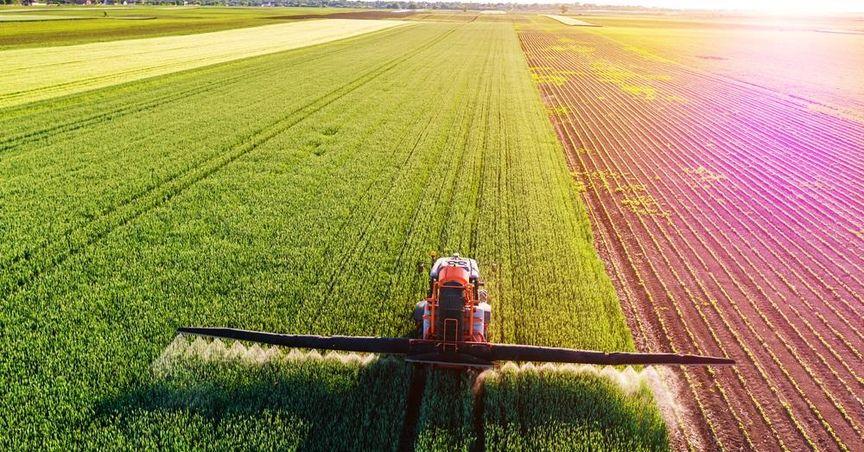
In addition to its role in infrastructure, Valmont Industries has a strong presence in the agricultural sector. The company designs and manufactures a variety of products that are used to improve crop yields and water efficiency. Valmont’s irrigation systems, which include pivot systems, sprinklers, and micro-irrigation technologies, are crucial for farmers looking to maximize water usage while ensuring the sustainability of their crops. These systems are widely utilized in regions with varying climatic conditions, enabling farmers to maintain high productivity. Valmont’s focus on agriculture not only supports global food production but also aligns with its sustainability efforts, making it a leader in modern farming practices. Valmont’s agricultural innovations are often discussed alongside s&p 500 futures, as agricultural technology continues to play a major role in global economic development.
How Does Valmont Maintain Competitive Advantage?
Valmont Industries maintains its competitive edge by continuously innovating and expanding its product offerings. The company’s emphasis on research and development ensures that it remains ahead of market trends in both the infrastructure and agricultural sectors. By focusing on high-quality materials and cutting-edge technology, Valmont delivers products that meet the evolving demands of its customers. The firm’s commitment to technological advancement also extends to its manufacturing processes, which are optimized to improve efficiency and reduce environmental impact. This focus on innovation and sustainability has allowed Valmont to solidify its position as a leader in both infrastructure and agriculture, often being compared to other major players within the s&p 500 index fund due to its commitment to growth and progress.
What Is Valmont’s Role in Sustainable Practices?
Valmont Industries has made significant strides in promoting sustainability, particularly through its agricultural solutions. The company’s irrigation systems are designed to improve water efficiency, which is essential in addressing global water scarcity issues. By providing farmers with tools that reduce water consumption while increasing crop yields, Valmont is contributing to more sustainable agricultural practices. In addition, the company focuses on reducing the environmental impact of its manufacturing processes, using recycled materials whenever possible and adopting energy-efficient technologies. Valmont’s commitment to sustainability has been recognized globally, positioning it as a leader in environmentally responsible practices within the industrial sector. This commitment to sustainability has placed Valmont alongside other industry giants in s&p 500 companies.
