
 AUS
AUS
 NZ
NZ
 UK
UK
 CA
CA
 USA
USA
 IND
IND


_06_23_2026_07_58_30_182443.jpg)

Highlights
- Terex Corporation operates in global lifting and material handling equipment markets
- Product portfolio supports construction, infrastructure, and industrial applications
- Market presence aligns with broader NYSE Composite representation
Terex Corporation (NYSE:TEX) operates as a global manufacturer of lifting and material-handling equipment used across construction, infrastructure, energy, and logistics sectors. The company’s role within industrial manufacturing aligns with large-cap benchmarks such as the NYSE Composite, where diversified companies contribute to broader market activity. Through its portfolio of cranes, aerial work platforms, and material processing equipment, Terex Corporation supports operations ranging from building sites to port logistics and industrial facilities.
Industrial Equipment Manufacturing Scope
Terex Corporation focuses on the design and production of specialized machinery used in demanding operational environments. Its equipment is engineered to support lifting, transporting, and processing materials across a range of industries. Construction firms utilize aerial work platforms and cranes for vertical operations, while logistics operators rely on port equipment to manage cargo handling efficiently.
The company’s product range includes rough terrain cranes, tower cranes, aerial platforms, and material processing machinery. These solutions are tailored to meet varying operational requirements, enabling efficient handling of materials in environments that require durability and precision. By maintaining a diversified equipment portfolio, Terex Corporation addresses multiple segments within industrial manufacturing.
Brand Portfolio And Market Identity
Terex Corporation markets its equipment through well-recognized brands such as Genie, Terex AWP, Terex Cranes, Demag, and Powerscreen. Each brand represents a specific category of industrial equipment designed to meet specialized operational needs. Genie is associated with aerial work platforms, while Demag focuses on advanced crane technologies used in construction and heavy lifting.
Powerscreen specializes in material processing machinery used in mining and recycling operations. These branded product lines contribute to Terex Corporation’s identity within the industrial equipment sector. By maintaining distinct brand categories, the company serves a wide spectrum of customers with targeted solutions.
Financial Structure And Operational Indicators
Public disclosures relating to Terex Corporation describe valuation measures, liquidity indicators, and leverage ratios that outline its financial framework. Market capitalization places the company within the mid-cap industrial segment, while valuation metrics reflect pricing relationships relative to performance indicators.
Liquidity ratios indicate the company’s ability to address short-term obligations, while leverage ratios demonstrate how debt and equity are balanced within the capital structure. Moving averages provide context regarding historical market activity, offering reference points for understanding trading patterns over time.
Operational indicators such as return on equity and net margin highlight efficiency within manufacturing and equipment delivery processes. These measures illustrate how Terex Corporation manages production costs and capital utilization across its operations.
Equipment Demand Across Industries
Demand for Terex Corporation’s equipment originates from multiple industries, including construction, infrastructure development, manufacturing, and logistics. Construction projects require lifting equipment for structural assembly, while infrastructure projects depend on cranes and aerial platforms for maintenance and expansion.
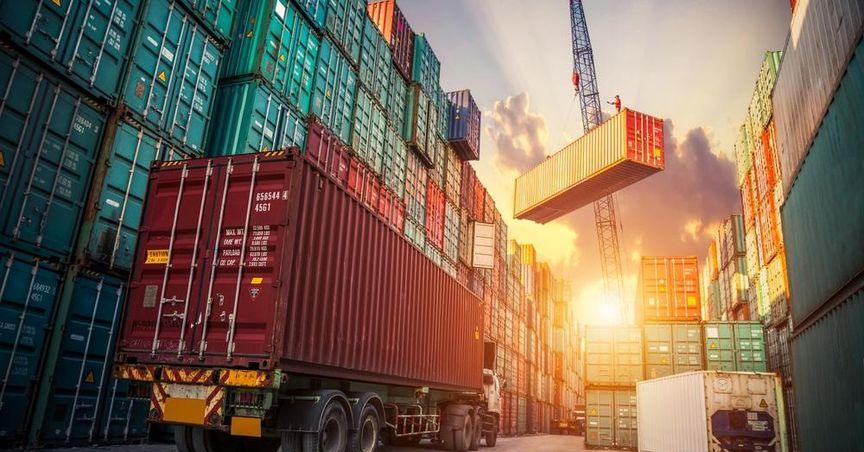
Port and cargo handling operations utilize specialized machinery to move goods efficiently across shipping terminals. Industrial facilities employ material processing equipment to manage raw materials and production outputs. This broad demand base supports the company’s diversified operational model.
Equipment designed for heavy-duty environments must meet performance standards related to safety, durability, and efficiency. Terex Corporation’s engineering approach focuses on delivering solutions that perform reliably under demanding conditions.
Institutional Participation And Ownership Patterns
Ownership patterns indicate that a large portion of Terex Corporation’s shares is held by major financial institutions and asset management firms. These holdings are disclosed through regulatory filings and reflect portfolio allocation strategies within institutional frameworks.
Adjustments in share positions occur periodically as institutions rebalance portfolios based on sector allocation and market conditions. Such participation is typical for companies included in broad benchmarks such as the NYSE Composite Index, where industrial manufacturers contribute to diversified market representation.
Institutional ownership also plays a role in governance structures, with asset managers participating in shareholder voting processes and corporate oversight activities.
Operational Performance And Quarterly Reporting
Terex Corporation’s quarterly reporting provides information on earnings per share, revenue figures, and operational performance. Comparative data from previous reporting periods highlights changes in performance metrics over time.
Revenue figures reflect equipment sales and service activities, while earnings per share represent profitability after accounting for operational expenses. These metrics offer descriptive insights into the company’s manufacturing output and market activity.
Guidance figures disclosed by the company provide expectations regarding operational performance for upcoming periods. These figures are presented as part of routine corporate disclosures and reflect internal planning frameworks.
Dividend Policy And Capital Allocation
Terex Corporation has disclosed dividend payments distributed to shareholders as part of its capital allocation strategy. Dividend payouts represent a portion of earnings returned to shareholders and are determined based on financial performance and corporate policy.
The dividend payout ratio illustrates the relationship between distributed earnings and total earnings generated by the company. This metric provides insight into how Terex Corporation balances in operations with shareholder distributions.
Dividend declarations are accompanied by record dates and payment schedules, which define eligibility and distribution timing. These practices align with standard corporate finance procedures for publicly traded companies.
Market Position Within Industrial Sector
Terex Corporation operates within a competitive industrial equipment market that includes manufacturers specializing in construction machinery, material handling systems, and processing equipment. Competition is driven by factors such as product reliability, technological innovation, and operational efficiency.
The company’s diversified portfolio and global presence contribute to its position within the industrial sector. By serving multiple industries, Terex Corporation maintains exposure to various demand drivers, including infrastructure development and industrial expansion.
Market references often include companies like Terex Corporation when discussing industrial activity within benchmarks such as NYSE Composite Today, where sector performance reflects broader economic trends across construction, manufacturing, and logistics industries.
Technology Integration And Equipment Innovation
Innovation within industrial equipment manufacturing focuses on improving operational efficiency, safety, and automation capabilities. Terex Corporation incorporates technological advancements into its machinery to enhance performance in real-world applications.
Modern equipment includes features such as automated control systems, improved fuel efficiency, and enhanced safety mechanisms. These advancements support operators in managing complex tasks with greater precision and reduced manual intervention.
Digital integration allows equipment to connect with monitoring systems that track performance and maintenance requirements. Such capabilities support predictive maintenance and operational optimization across industrial environments.
Global Operations And Supply Chain Structure
Terex Corporation (NYSE:TEX) operates across multiple geographic regions, supporting customers in North America, Europe, Asia, and other international markets. Its global supply chain enables the distribution of equipment and components to various industrial sectors worldwide.
Manufacturing facilities and distribution networks are structured to ensure timely delivery of equipment and services. This global presence allows the company to respond to regional demand variations while maintaining operational continuity.
Supply chain management plays a critical role in ensuring the availability of raw materials, components, and finished equipment. Efficient logistics operations support the company’s ability to meet customer requirements across diverse markets.
