
 AUS
AUS
 NZ
NZ
 UK
UK
 CA
CA
 USA
USA
 IND
IND

_07_03_2026_03_50_21_133108.jpg)



Highlights
- Institutional activity reflects ongoing adjustments within aerospace and defense holdings
- Strong demand for advanced systems supports revenue expansion across segments
- Operational updates highlight steady performance in commercial and defense programs
RTX demonstrates aerospace and defense momentum within the s&p 500, supported by institutional movements, operational performance, and continued advancements in aviation and defense technologies.
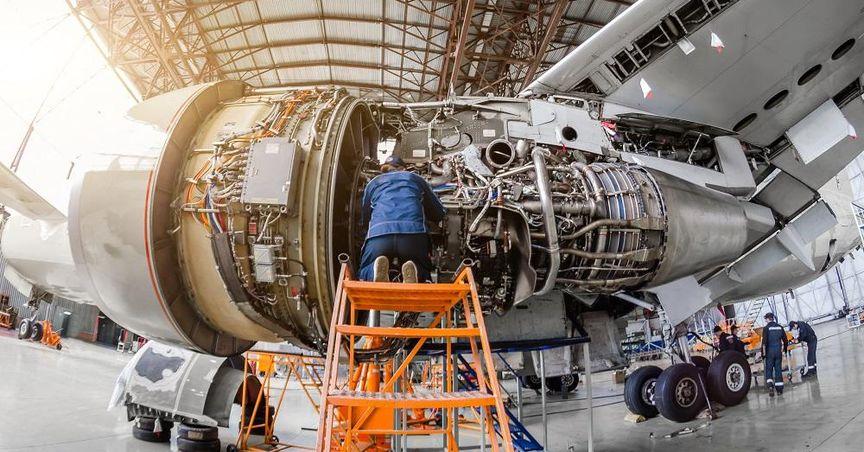
The aerospace and defense sector remains closely aligned with broader benchmarks such as the s&p 500, with RTX Corporation (NYSE:RTX) positioned as a major provider of advanced systems for commercial aviation and defense applications. The company operates across multiple segments, including aircraft engines, avionics, and integrated defense technologies, contributing to global supply chains and national security frameworks.
Institutional Ownership and Portfolio Adjustments
Recent filings indicate that RTX Corporation (NYSE:RTX) experienced a reduction in holdings by a prominent financial entity during a recent reporting period. This adjustment reflects broader portfolio realignments within the aerospace and defense space, where institutional participation remains a dominant feature.
At the same time, several other large organizations have either expanded or initiated positions in the company. These changes illustrate varied allocation strategies across the sector, influenced by evolving demand for aerospace systems and defense capabilities. Institutional ownership continues to account for a substantial share of total equity, reinforcing the company’s position within major market portfolios.
Revenue Growth and Operational Performance
RTX Corporation (NYSE:RTX) reported quarterly results that exceeded market expectations, supported by increased activity in both commercial aerospace and defense segments. Revenue expansion has been driven by demand for aircraft engines, maintenance services, and advanced defense systems.
The commercial aerospace division has benefited from continued recovery in global air travel, leading to higher demand for engine services and replacement parts. Meanwhile, defense operations have been supported by ongoing procurement programs and technological advancements in missile systems, radar, and surveillance platforms.
Operational efficiency and margin stability have also been highlighted in recent disclosures. Continued emphasis on integrated systems and long-term service agreements contributes to consistent performance across business segments.
Dividend Distribution and Financial Structure
RTX maintains a structured approach to capital distribution through regular dividend payments. These distributions form part of the company’s broader financial framework, balancing operational expenditures with shareholder engagement.
The dividend reflects ongoing financial discipline, supported by revenue generated across commercial and defense activities. This approach aligns with established practices within the aerospace and defense sector, where companies often combine reinvestment in technology with consistent distributions.
Executive Transactions and Ownership Composition
Recent disclosures show that company executives have completed share sales within a defined reporting period. These transactions are recorded in regulatory filings, ensuring transparency in corporate governance practices.
Despite these activities, internal ownership remains a relatively small portion of total equity. Public reporting of such transactions provides visibility into ownership dynamics while maintaining compliance with regulatory standards.
Industry Position and Market Dynamics
RTX operates within a competitive global environment that includes major aerospace manufacturers and defense contractors. The company’s diversified structure enables participation across multiple segments, from propulsion systems to advanced defense technologies.
Industry demand continues to be shaped by geopolitical developments, modernization programs, and the need for advanced aerospace capabilities. RTX’s portfolio of products and services supports both commercial airlines and government agencies, reflecting the broad scope of its operations.
Midway through market cycles, indicators such as the s&p 500 etf provide context for broader equity performance, while sector-specific trends highlight the role of aerospace and defense companies in global markets.
Technology Development and Strategic Focus
Innovation remains a central component of RTX’s (NYSE:RTX) operations, particularly in areas such as propulsion efficiency, advanced materials, and defense systems integration. Research and development efforts support the creation of next-generation technologies designed to enhance performance and reliability.
In the defense segment, advancements in missile systems, radar capabilities, and cybersecurity solutions contribute to evolving operational requirements. In commercial aerospace, improvements in engine efficiency and sustainability remain key areas of focus.
The integration of digital technologies into aerospace systems further enhances operational capabilities, enabling predictive maintenance and improved system performance. These developments align with broader industry trends toward automation and data-driven decision-making.
