
 AUS
AUS
 NZ
NZ
 UK
UK
 CA
CA
 USA
USA
 IND
IND

_07_12_2023_11_05_52_936360.jpg)




Highlights
- Old Dominion Freight Line maintains nationwide logistics coverage
- LTL transportation model supports scheduled freight movement
- Operational discipline reinforces service consistency
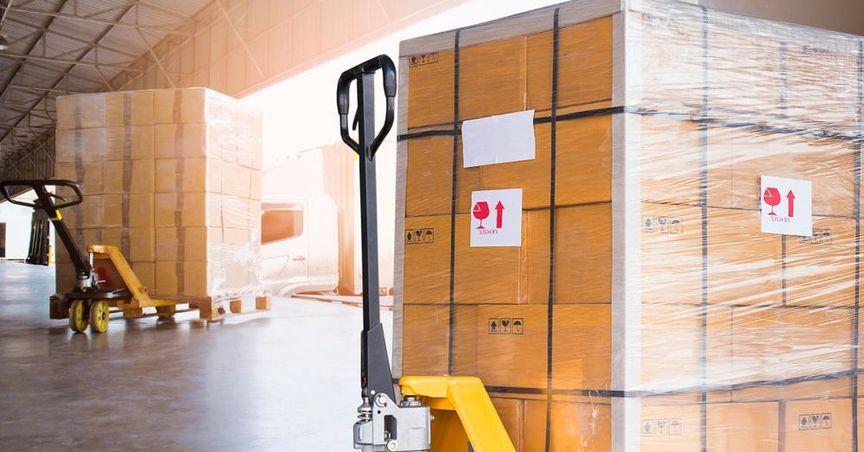
Old Dominion Freight Line (NASDAQ:ODFL) operates within the U.S. transportation landscape as a specialised less-than-truckload carrier, with its role often discussed alongside broader market references tied to the Nasdaq Composite. The company focuses on regional, inter-regional, and national freight services designed for palletised shipments that do not require full truckload capacity. Its operating model emphasises scheduled pickup and delivery, terminal-based routing, and network coordination across service regions. This structure allows Old Dominion Freight Line to manage freight density, routing efficiency, and service reliability across its transportation footprint.
Why Is Old Dominion LTL Focused?
Old Dominion Freight Line maintains a focused business model centered on less-than-truckload transportation, which involves consolidating multiple customer shipments into shared truck capacity. This approach supports efficient asset utilisation while maintaining defined delivery schedules. Industry discussions referencing nasdaq futures frequently highlight transportation companies that rely on disciplined network design to manage freight flow. Old Dominion Freight Line’s LTL focus enables the company to balance route planning, terminal operations, and driver scheduling within a unified logistics framework.
How Does Old Dominion Manage Network Scale?
Old Dominion Freight Line manages network scale through a nationwide system of service centres, linehaul routes, and regional hubs that coordinate freight movement. Each terminal plays a role in consolidating shipments and directing freight through designated corridors. Broader logistics commentary associated with nasdaq today often includes carriers that demonstrate consistent operational execution across large geographic areas. Old Dominion Freight Line’s network design supports predictable transit times and operational continuity across service regions.
What Supports Old Dominion Service Reliability?
Service reliability at Old Dominion Freight Line is supported by structured scheduling, controlled capacity planning, and internal process standardisation. The company emphasises operational consistency across terminals to ensure dependable pickup and delivery windows. Transportation sector discussions where nasdaq index is mentioned often reference companies that prioritise execution discipline within complex logistics environments. Old Dominion Freight Line’s reliability stems from coordinated linehaul operations and uniform service protocols applied throughout its network.
How Does Old Dominion Optimize Freight Flow?
Old Dominion Freight Line optimizes freight flow by aligning terminal operations with linehaul scheduling and route efficiency. Shipments are routed through predefined pathways that reduce handling complexity and support timely delivery. Marketwide transportation reviews connected to nasdaq composite etf frequently include logistics providers that emphasise process optimisation across freight networks. Old Dominion Freight Line’s freight flow management reflects its emphasis on operational clarity and network synchronisation.
Why Is Old Dominion Operationally Disciplined?
Operational discipline at Old Dominion Freight Line is reflected in its adherence to internal standards governing safety, scheduling, and terminal performance. The company applies consistent operational practices across its service centres to maintain uniform service quality. Industry evaluations referencing nasdaq today often include transportation firms recognised for disciplined execution. Old Dominion Freight Line’s approach supports controlled growth while maintaining service integrity across its freight operations.
How Does Old Dominion Support Customer Logistics?
Where Does Old Dominion Compete Nationally?
Old Dominion Freight Line competes nationally within the LTL transportation segment, serving customers across multiple regions through its established network. Its competitive position is shaped by service consistency and network coverage rather than variable service offerings. Market discussions tied to nasdaq biggest companies sometimes reference transportation firms with significant national presence. Old Dominion Freight Line’s scale allows it to participate broadly across regional and national freight markets.
What Defines Old Dominion Market Role?
Old Dominion Freight Line’s market role is defined by its focus on scheduled LTL transportation services within the U.S. freight industry. Its operations support supply chains that depend on predictable transit times and controlled freight handling. Transportation industry commentary where nasdaq 100 composition is mentioned often includes companies contributing to infrastructure-driven service sectors. Old Dominion Freight Line’s role reflects its emphasis on operational stability and structured freight movement.
