
 AUS
AUS
 NZ
NZ
 UK
UK
 CA
CA
 USA
USA
 IND
IND





Highlights
- Matson Inc. (NYSE:MATX) leads U.S. ocean transport operations.
- Logistics arm supports Pacific supply chains.
- Reflects trade and shipping trends in NYSE Composite firms.
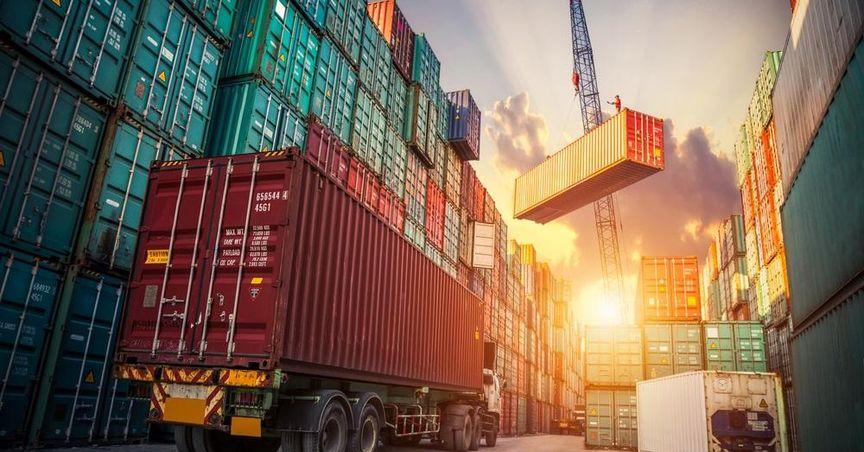
Matson Inc. (NYSE:MATX) operates as a diversified transportation and logistics enterprise providing essential shipping and freight management services. Its operations are divided into two primary segments—Ocean Transportation and Logistics—each contributing to the company’s international presence. The Ocean Transportation segment serves island economies across the Pacific, including Hawaii, Guam, Alaska, and Japan, facilitating the movement of essential goods and materials. Meanwhile, the Logistics division delivers freight forwarding, warehousing, and distribution solutions that complement maritime operations. This integrated business structure allows Matson to coordinate complex supply chains efficiently, reflecting the systematic balance often observed in the NYSE Composite, where companies combine regional expertise with global adaptability to maintain consistent operational performance.
How Does Matson Support Pacific Trade Routes?
Matson’s operational strength lies in its strategic focus on Pacific trade routes, which connect the U.S. mainland to various island and coastal regions. The company’s vessels operate on established maritime corridors that ensure the steady movement of consumer goods, construction materials, and essential commodities. These trade routes support both local economies and national industries, providing reliable maritime connectivity. Matson’s logistical integration enhances its ability to manage cargo flow across diverse geographies, maintaining punctual schedules and dependable delivery frameworks. This disciplined logistical coordination echoes structural efficiencies exhibited by transportation leaders within the NYSE Composite Index, where consistency, connectivity, and supply reliability are integral to maintaining market competitiveness.
What Role Does Matson’s Logistics Segment Play?
Matson’s logistics segment forms the backbone of its comprehensive service offering. This division handles inland transportation, freight consolidation, and warehousing, ensuring seamless end-to-end cargo movement. Through partnerships with trucking networks, rail carriers, and warehousing facilities, Matson delivers integrated solutions tailored to specific client needs. The company’s ability to bridge maritime and land-based logistics provides operational continuity that supports industries such as retail, manufacturing, and defense supply. By maintaining visibility across each shipping stage, Matson enhances both efficiency and accountability within its operations. This structured logistics approach mirrors the adaptability and process precision across transportation enterprises included in the NYSE Composite Today, where end-to-end supply coordination defines long-term industry stability.
How Does Matson Integrate Technology in Operations?
Matson utilizes advanced digital systems to manage shipping schedules, cargo tracking, and customer coordination. Its digital platforms enable real-time updates on freight status, route optimization, and customs documentation. This integration of technology enhances transparency and strengthens operational reliability. The adoption of automation and data analytics contributes to predictive route planning and resource allocation, minimizing logistical disruptions. These technological enhancements enable Matson to align maritime efficiency with modern standards of digital logistics management.
Why Is Matson’s Market Position Significant?
Matson Inc. (NYSE:MATX) long-standing reputation as a dependable carrier has solidified its influence within the U.S. shipping and logistics landscape. The company maintains a balanced approach that combines operational efficiency with geographic specialization, allowing it to manage trade flows across key Pacific routes. Its market role extends beyond transportation—serving as an economic conduit for commerce between mainland suppliers and remote regions. The stability of its services contributes to national supply chain security and economic continuity.
How Does Matson Address Environmental Commitments?
Environmental sustainability forms an increasingly critical component of Matson’s operational philosophy. The company actively pursues initiatives to improve fuel efficiency, reduce emissions, and adopt cleaner propulsion technologies across its fleet. Efforts toward environmental stewardship also include the modernization of ships, optimized routing to lower fuel consumption, and compliance with international maritime standards. By integrating sustainability measures, Matson demonstrates responsibility toward ecological preservation without compromising service quality. These commitments reflect broader environmental standards prevalent among leading transportation corporations within the NYSE Composite, where ecological accountability and operational efficiency coexist as benchmarks for responsible business conduct in a globalized logistics ecosystem.
What Strengthens Matson’s Competitive Edge?
Matson’s competitive advantage stems from its expertise in serving isolated markets and adapting to dynamic trade environments. Its deep regional understanding enables the company to provide specialized services that meet the needs of customers in non-contiguous territories. The fleet’s adaptability and the firm’s logistics infrastructure support uninterrupted operations even under challenging economic conditions. Matson’s consistent focus on reliability, service quality, and long-term relationships sustains its prominence across maritime trade networks. This structured competitive framework parallels the disciplined growth models of transportation-focused enterprises observed within the NYSE Composite Index, where strategic specialization ensures operational resilience and sustained market relevance over time.
How Does Matson Contribute to Economic Stability?
Matson Inc. (NYSE:MATX) contribution to economic stability extends beyond shipping by facilitating essential goods distribution across diverse island economies. The company plays a pivotal role in sustaining supply chains that support retail, construction, and manufacturing sectors across multiple Pacific territories. By ensuring regular cargo flow, Matson helps stabilize regional economies dependent on maritime imports. The company’s operational reliability contributes to food supply continuity, energy delivery, and industrial connectivity, reinforcing its role as a foundational player in trans-Pacific commerce.
