
 AUS
AUS
 NZ
NZ
 UK
UK
 CA
CA
 USA
USA
 IND
IND





Headlines
- Industrial companies focus on automation and precision equipment in critical infrastructure applications
- Key firms maintain visibility in logistics, transportation, and construction machinery manufacturing
- Industry remains active in refining production systems through engineering and robotics technology
Industrial Sector Overview
The industrial sector encompasses companies involved in manufacturing and engineering solutions, with a strong presence in transportation, construction, and energy infrastructure. This sector frequently evolves through machinery innovation, automation processes, and digital integration. Companies operating in this space often supply equipment used in utilities, mining, aerospace, and logistics. Manufacturing entities in this sector consistently engage in updating mechanical systems and streamlining equipment operations.
Engineering advancements have allowed for the expansion of productivity in core industrial facilities. Machinery production supports essential services and structural projects across multiple continents. Equipment reliability, precision components, and safety enhancements often define development in this category. Strategic positioning in automation and robotics is frequently observed among firms within this sector, with increased focus on operational efficiency.
Machinery and Equipment Expansion
Machinery manufacturers within the industrial sector continue to refine their core product offerings. These entities focus on developing equipment suited for construction, agricultural, and transport-related applications. Automated systems, hydraulic technologies, and intelligent control features are typically integrated to enhance mechanical efficiency. Consistent emphasis on durability, load handling, and on-site adaptability defines engineering objectives across key segments.
Production lines frequently feature modular systems designed for varied terrains and climates. This segment also supports the upgrading of existing infrastructure through modern equipment replacements. Maintenance services and spare component supply chains support ongoing usability of machines in both remote and urban operations. Equipment accessibility and platform integration further remain important aspects of this sub-sector's evolution.
Focus on Transportation Solutions
Within the industrial segment, transportation equipment manufacturing contributes to logistics support and freight management. These companies focus on delivering systems that align with the modernization of rail, road, and warehouse networks. Key components include engines, powertrains, handling systems, and mobile tracking frameworks. Streamlined assembly operations and technology-driven enhancements in equipment design have been central to supporting large-scale logistical projects.
Efficiency in fuel systems, emissions standards compliance, and enhanced torque capabilities feature prominently in product development. Companies operating in this category often cater to national infrastructure programs, metropolitan transit systems, and global shipping platforms. Rail vehicle components and mobility systems often follow rigorous mechanical specifications. This sub-sector further incorporates digital diagnostics and automated route synchronization.
Engineering Innovations and Automation
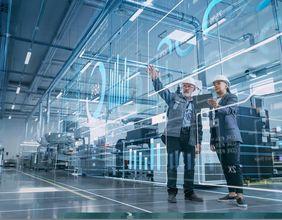
The incorporation of digital frameworks into engineering operations remains significant within the industrial machinery space. Automation technologies allow for reduced manual interventions while increasing accuracy and precision in routine industrial tasks. Robotics and data-centric design are frequently utilized in assembly lines and component fabrication. Software-driven adjustments also allow for responsive adaptation to different production requirements.
Industry firms often deploy intelligent systems that self-regulate based on usage metrics and mechanical stress. Engineering teams work to ensure that devices function across multiple operational cycles without extensive reconfiguration. Automation tools are also applied in predictive maintenance planning and workflow adjustments. Additionally, integration with cloud-based operational platforms enables better oversight of mechanical performance and uptime consistency.
Spotlight on Caterpillar Inc. (CAT)
Caterpillar Inc. maintains a central role within the industrial sector, manufacturing machinery tailored to the construction, mining, and energy industries. The company’s product line includes tracked dozers, excavators, wheel loaders, and diesel-electric locomotives. These machines often feature embedded technologies that support efficiency improvements across both structured and off-grid operations.
The organization remains active in designing platforms suitable for energy transition support and heavy equipment transport. With manufacturing bases across multiple countries, Caterpillar Inc. integrates real-time diagnostics and remote operation capabilities into its systems. Industrial partners rely on its product durability, modular design, and customization range for high-demand environments. CAT continues to contribute to equipment deployment in structural engineering, excavation, and site preparation functions.
