
 AUS
AUS
 NZ
NZ
 UK
UK
 CA
CA
 USA
USA
 IND
IND






Highlights
- Container vessel leasing company operating across global shipping routes
- Fleet charter arrangements support maritime transportation networks
- Sector developments draw attention within broader shipping activity
Global Ship Lease developments illustrate containership charter operations and maritime transportation trends within the NYSE Composite, linking shipping fleets with global trade and logistics networks.
The maritime transportation sector plays a central role in global trade through container shipping networks connecting continents and commercial markets. Within this environment, Global Ship Lease operates as a containership charter company focused on vessel leasing to international shipping operators. Industry developments connected to container shipping frequently intersect with broader market conversations tied to the NYSE Composite, where transportation and logistics companies contribute to the exchange’s diverse corporate landscape.
Global Ship Lease (NYSE:GSL) specializes in acquiring and managing modern containerships designed for high-capacity cargo transportation. These vessels operate under charter arrangements with global liner operators responsible for transporting containerized goods along major trade corridors. Cargo transported aboard these ships typically includes consumer products, industrial equipment, manufactured components, and packaged commodities.
Fleet Structure and Maritime Operations
Containership fleets operated through charter arrangements form the operational foundation of the company. Ships within the fleet are designed to carry large volumes of standardized cargo containers stacked both above and below deck. This configuration allows efficient movement of goods across long-distance maritime routes.
Global shipping lanes connect manufacturing regions with international consumer markets. Major maritime corridors include transoceanic routes linking Asia with Europe and North America, along with regional routes connecting emerging trading hubs. Vessel operators coordinate schedules through port networks where cargo loading and unloading occurs.
Global Ship Lease (NYSE:GSL) typically enters charter agreements with established shipping companies that manage container transport services. Under these arrangements, vessels operate under the charterer’s logistical planning while remaining owned by the leasing company. This structure supports long-term utilization of vessels within international trade networks.
Fleet composition plays an important role in the shipping sector. Modern containership designs emphasize fuel efficiency, structural durability, and compliance with international maritime standards. Ships equipped with advanced propulsion systems often support lower emissions and improved operational performance during long-distance voyages.
Role of Container Shipping in Global Trade
Container shipping represents a cornerstone of international commerce. Standardized containers allow goods to move seamlessly between ships, railways, and trucking networks. This integrated system reduces cargo handling time and improves transport efficiency across multiple transportation modes.
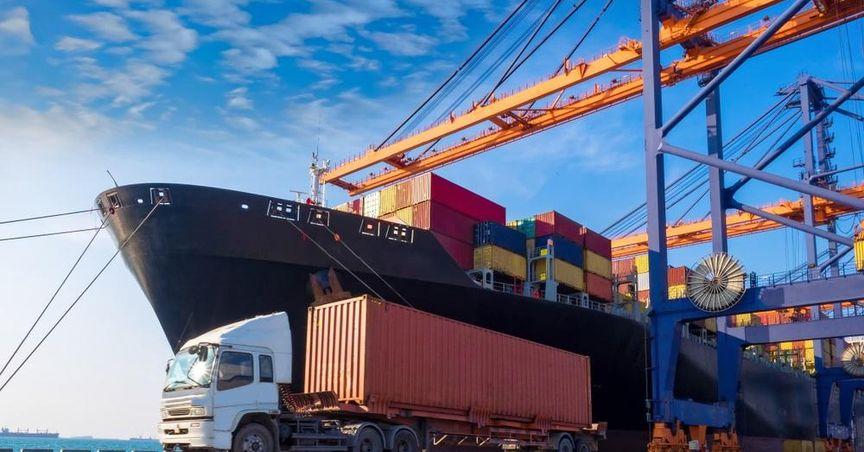
Ports around the world serve as major logistical hubs within the maritime supply chain. Cargo terminals equipped with large cranes transfer containers between vessels and onshore transportation systems. These port operations facilitate continuous movement of goods between production centers and distribution markets.
Shipping demand often reflects global manufacturing activity, consumer consumption patterns, and international trade flows. When industrial output expands across major manufacturing regions, container shipping volumes generally increase as goods move toward global markets.
Within the nyse composite index, transportation companies form part of a broader industrial ecosystem that includes logistics providers, infrastructure operators, and freight carriers. Corporate developments within shipping companies often appear alongside updates from other sectors involved in global trade.
Charter Agreements and Operational Stability
Charter arrangements remain a common operational structure within the maritime leasing sector. These agreements outline the terms under which vessels operate under the direction of shipping companies responsible for cargo transport services. Charter durations may extend across multiple shipping seasons depending on market conditions and vessel demand.
Global Ship Lease (NYSE:GSL) manages a fleet positioned to support container shipping routes used by major liner operators. These ships are designed to accommodate large container volumes while meeting international maritime safety and environmental regulations.
Maintenance programs ensure vessels remain operational throughout extended voyages. Ship engineering teams oversee routine inspections, equipment servicing, and structural monitoring. Compliance with maritime regulatory frameworks established by international shipping organizations remains an essential component of vessel management.
Crew members stationed aboard containerships oversee navigation, engine operations, cargo monitoring, and onboard safety procedures. Ports of call during international voyages allow for cargo exchange, refueling, and technical inspections where required.
Maritime Sector Developments and Exchange Activity
Global trade networks rely heavily on maritime transportation infrastructure. Shipping companies, port authorities, and logistics providers collaborate to maintain efficient movement of goods between continents. Changes within this sector often reflect shifts in trade patterns, manufacturing demand, and shipping capacity availability.
Container ship leasing companies operate alongside large liner operators that coordinate cargo transportation schedules. Fleet availability and vessel deployment strategies influence how shipping companies manage cargo flow across international routes.
Activity surrounding maritime companies sometimes attracts attention during discussions involving nyse composite today, particularly when developments within transportation industries intersect with broader economic trends. Shipping companies listed on major exchanges represent an important link between international trade systems and financial markets.
