
 AUS
AUS
 NZ
NZ
 UK
UK
 CA
CA
 USA
USA
 IND
IND

_07_03_2026_03_50_21_133108.jpg)



Highlights
- GE Aerospace operates in the global aerospace manufacturing sector with commercial and defence activities.
- The company supplies aircraft engines, maintenance services, and aviation systems across worldwide markets.
- Aerospace developments remain connected with industrial activity within the S&P 500.
GE Aerospace (NYSE:GE) operates within the aerospace manufacturing sector, producing aircraft engines, propulsion systems, and related aviation services for commercial and defence customers. The company is part of the S&P 500, reflecting its position among large publicly listed US businesses. Its operations cover engine manufacturing, maintenance services, engineering activities, and long-term support programmes serving airlines and aviation organisations worldwide.
Aerospace Manufacturing Operations
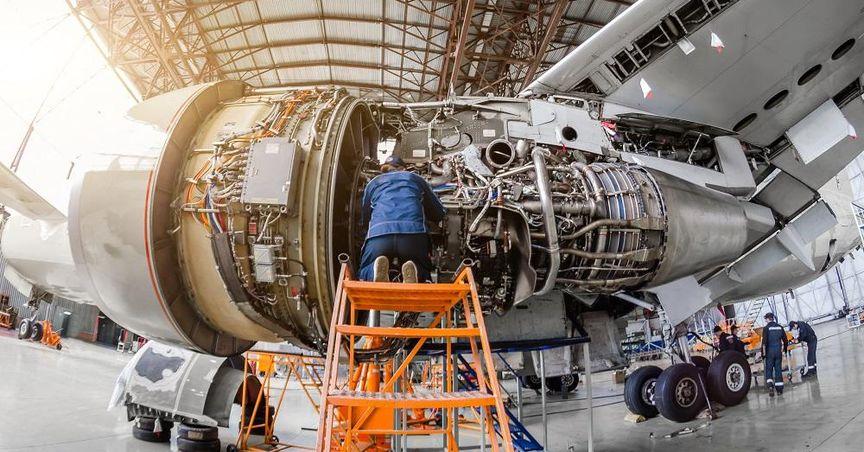
The company focuses on designing, producing, and servicing aircraft engines used across commercial and military aviation platforms. Its operations include engine development, component manufacturing, repair services, and technical support throughout the operating life of aviation equipment.
The aerospace industry depends on complex engineering capabilities, advanced materials, precision manufacturing, and extensive testing processes. Aircraft engines require detailed maintenance programmes to ensure operational reliability throughout service periods.
GE Aerospace maintains a global network supporting airlines, aircraft operators, and defence organisations. Its services include maintenance, repair, and overhaul activities that support engines already operating in aviation fleets.
Commercial Aviation Presence
Commercial aviation represents a significant part of the aerospace industry, with airlines relying on efficient propulsion systems for passenger and cargo operations. Engine manufacturers work closely with aircraft producers and airline operators to provide propulsion solutions suited to different aircraft categories.
The company supplies engines used on various aircraft platforms, including narrow-body and wide-body commercial aircraft. These systems support airlines operating routes across domestic and international markets.
The aerospace supply chain includes manufacturers of aircraft structures, engines, electronics, and specialised components. Within this environment, the company remains connected with the broader Industrial Stocks category through its manufacturing activities.
Engine Services and Maintenance Network
A major part of aerospace operations involves maintenance services after aircraft engines enter commercial use. Engine servicing includes inspections, repairs, component replacement, and technical improvements designed around aircraft operating requirements.
The company manages service activities through facilities and partnerships located across different regions. These operations support aviation customers by providing technical expertise throughout an engines service period.
The aftermarket segment of aerospace manufacturing has become an important area as global aircraft fleets continue operating for extended periods. Airlines require regular servicing to maintain aircraft availability and operational standards.
Defence Aerospace Activities
Beyond commercial aviation, the company also participates in defence aerospace programmes. Military aircraft require specialised propulsion technologies designed for specific operational requirements.
Defence-related activities include engine development, manufacturing, maintenance, and support services for military aviation platforms. These programmes involve long-term technical requirements and specialised engineering processes.
The defence aerospace industry operates alongside commercial aviation, creating a diversified operating environment for manufacturers involved in both areas.
Aerospace Industry Trends
The aerospace sector continues experiencing changes driven by aircraft demand, fleet modernisation, technological improvements, and supply chain developments. Manufacturers are focused on improving engine efficiency, reducing emissions, and enhancing operational performance.
Advanced manufacturing techniques, digital monitoring systems, and material innovations are becoming increasingly important within aviation production. These technologies help manufacturers improve engineering processes and support aircraft operators.
The companys activities remain connected with broader industrial developments reflected through the S&P 500, where aerospace manufacturers represent a portion of the wider US business landscape.
Global Manufacturing Footprint
The company operates through a worldwide network of production facilities, engineering centres, and service locations. This geographic presence allows support for aviation customers across North America, Europe, Asia-Pacific, and other regions.
Global aerospace manufacturing requires coordination between suppliers, production facilities, and aviation service providers. Companies must manage complex supply chains involving specialised components, raw materials, and technical expertise.
The international nature of aviation means manufacturers serve customers operating under different aviation standards and regulatory frameworks.
Technology Development in Aviation
Research and engineering remain central elements of aerospace manufacturing. Companies in this field continuously develop improved propulsion technologies, digital solutions, and manufacturing processes.
Aircraft engine development involves extensive testing, certification procedures, and collaboration with aviation authorities. New technologies aim to improve efficiency, reliability, and environmental performance.
The companys engineering activities support advancements across commercial and defence aviation programmes while contributing to broader aerospace innovation.
Recent Operational Developments
Recent developments have focused on production activity, aircraft engine services, and expanding support capabilities for aviation customers. The company continues managing manufacturing programmes while addressing supply chain requirements across its operations.
Aviation demand has supported increased attention toward engine availability and maintenance capacity. Airlines continue requiring technical services as aircraft fleets expand and existing aircraft remain active.
The companys position within the S&P 500 highlights its connection with major US industrial businesses involved in global manufacturing and technology-driven operations.
Aerospace Supply Chain Environment
Aircraft manufacturing depends on a large network of suppliers providing materials, components, electronics, and specialised services. Disruptions within supply networks can affect production schedules and maintenance activities across the industry.
Manufacturers continue working with suppliers to improve production processes and maintain consistent delivery systems. Aerospace companies also focus on workforce skills, engineering capabilities, and manufacturing capacity.
These factors influence how companies manage complex aviation programmes involving thousands of individual components.
