
 AUS
AUS
 NZ
NZ
 UK
UK
 CA
CA
 USA
USA
 IND
IND






Highlights
- Aerospace strength supports market attention
- Defense orders improve visibility
- Earnings performance remains steady
GE Aerospace shows steady momentum supported by aviation demand, defense programs, and service operations, reinforcing its role in global aerospace and industrial aviation systems.
GE Aerospace (NYSE:GE) continues to draw strong attention across global markets as aerospace and defense demand shape broader equity sentiment linked with the S&P 500. The company, a major industrial aviation and propulsion systems manufacturer, plays a critical role in commercial aviation engines, defense systems, and aircraft maintenance services. Its business model is deeply tied to long-term aircraft cycles, where demand stability and recurring service revenue create consistent performance visibility. As aviation recovery continues globally, GE Aerospace remains closely watched due to its large installed engine base and expanding service backlog.
Aerospace Demand Strength Cycle
GE Aerospace operates within a highly cyclical but structurally growing aerospace environment where demand is influenced by global travel, defense requirements, and fleet modernization programs. The company’s aircraft engine portfolio supports both commercial airlines and military aviation systems, creating diversified revenue streams that help balance industry fluctuations. As aircraft utilization increases, demand for maintenance, repair, and overhaul services continues to expand, strengthening long-term service contracts.
The aviation sector is experiencing renewed momentum as airlines modernize fleets with fuel-efficient engines and improved performance systems. GE Aerospace benefits directly from this transition, as its engine platforms are widely used across major aircraft families. The company’s long-standing installed base ensures recurring service demand, which contributes significantly to operational stability. This structural advantage allows GE Aerospace to maintain relevance even during periods of fluctuating aircraft deliveries, reinforcing its position within global aerospace infrastructure.
Defense Engine Expansion
Defense aviation remains a key component of GE Aerospace’s operational footprint, with strong demand for advanced propulsion systems supporting military aircraft programs. The company’s engine technologies are widely integrated into defense platforms that require high durability, efficiency, and performance reliability. These systems are critical for air forces modernizing their fleets and upgrading existing aircraft capabilities.
Recent developments in defense procurement cycles highlight continued interest in next-generation propulsion systems. GE Aerospace’s participation in international defense agreements strengthens its backlog visibility and long-term revenue stability. The defense segment also contributes to aftermarket service opportunities, where maintenance and parts replacement create recurring operational activity. This dual structure of engine supply and lifecycle servicing enhances the company’s resilience within the aerospace industry, ensuring sustained engagement across multiple defense programs worldwide.
Aviation Services Growth Pattern
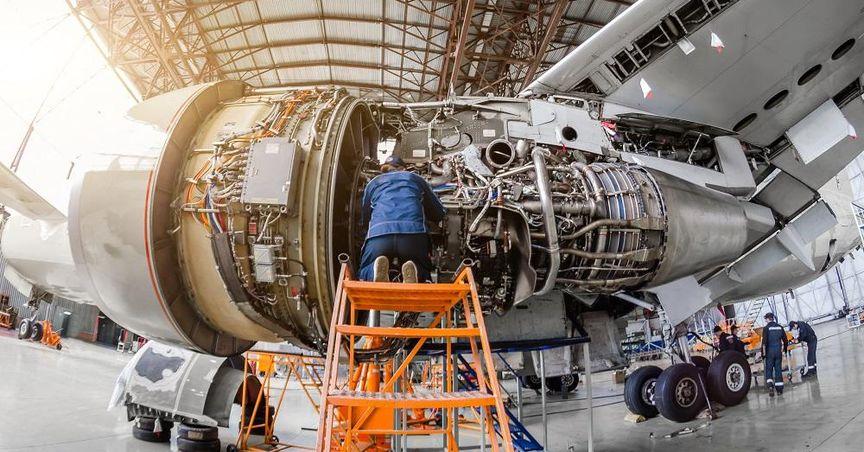
A significant portion of GE Aerospace’s business is driven by aviation services, which include engine maintenance, repair, and overhaul operations. These services are directly linked to aircraft utilization rates, making them an important indicator of aviation industry health. As global air traffic continues to normalize and expand, service demand has strengthened across commercial fleets.
The company’s installed engine base provides a strong foundation for long-term service agreements, ensuring recurring revenue streams that support operational stability. Airlines depend heavily on efficient engine performance to optimize fuel usage and operational costs, increasing reliance on structured maintenance programs. GE Aerospace’s service network plays a critical role in supporting these requirements, reinforcing its position as a key provider of lifecycle aviation solutions within the global aerospace ecosystem.
Industrial Technology Integration
Within the broader Industrial stock landscape, GE Aerospace represents a unique intersection of industrial engineering and advanced aerospace technology. Its propulsion systems integrate high-performance materials, digital monitoring systems, and precision engineering to deliver efficiency improvements across aircraft platforms.
The company’s focus on digital aviation solutions has enhanced predictive maintenance capabilities, allowing operators to monitor engine performance in real time. This integration of data-driven technology into aerospace systems reflects a broader shift toward intelligent industrial solutions. As aviation systems become more connected and efficient, GE Aerospace continues to align its product development with evolving technological standards, reinforcing its role in next-generation aviation infrastructure.
Market Position Stability
GE Aerospace maintains a stable position within global aerospace markets due to its diversified exposure across commercial aviation, defense systems, and service operations. The company’s business model is supported by long-term contracts and recurring maintenance requirements, which help balance cyclical demand patterns in aircraft manufacturing.
Its extensive global footprint ensures participation in multiple aviation programs, reducing dependency on any single market segment. This diversified structure enhances resilience during periods of industry fluctuation. Additionally, strong demand for fuel-efficient engines and next-generation propulsion systems continues to support long-term relevance. GE Aerospace remains a core participant in shaping aviation performance standards and industrial aerospace development globally.
Aviation Industry Cycle Influence
The aerospace industry operates in long cycles influenced by aircraft production rates, airline profitability, and defense spending trends. GE Aerospace is closely aligned with these cycles due to its deep integration into both commercial and military aviation programs. As aircraft fleets age, replacement and upgrade cycles generate sustained demand for engine systems and service support.
Airlines prioritize efficiency improvements to reduce operating costs, which drives adoption of newer engine technologies. GE Aerospace benefits from this transition as its platforms are widely used in modern aircraft configurations. Defense modernization programs also contribute to long-term demand stability, ensuring that aerospace spending remains consistent across different market conditions. This cyclical yet structured demand environment supports the company’s continued relevance in global aviation.
Industrial Aerospace Position
GE Aerospace (NYSE:GE) continues to maintain a strong position within the global aerospace sector through its integrated engine manufacturing and service operations. Its ability to support both commercial aviation and defense systems provides a balanced revenue structure that aligns with long-term industry demand. The company’s presence across major aircraft platforms reinforces its importance in global aviation infrastructure and industrial engineering systems.
As aerospace demand evolves, GE Aerospace remains a central contributor to propulsion technology development and aviation system efficiency. Its role in supporting global aircraft operations ensures continued relevance across multiple aviation cycles. GE Aerospace (NYSE:GE) stands as a key industrial aerospace leader within evolving global market dynamics.
