
 AUS
AUS
 NZ
NZ
 UK
UK
 CA
CA
 USA
USA
 IND
IND






Highlights
- Deere faces pressure after a sharp trading drop
- Farm equipment demand remains under strain
- Industrial machinery outlook stays closely watched
Deere’s market drop reflects caution around agriculture equipment demand, even as earnings stayed resilient and construction-related operations helped support the broader industrial machinery business.
Deere & Company (NYSE:DE), a major industrial machinery company known for agricultural, construction, forestry, turf, and power equipment, drew fresh market attention after its shares moved sharply lower despite stronger-than-expected quarterly results. The move placed the company back in focus within the Russell 1000, as market participants weighed solid earnings against softer demand trends in large agricultural machinery.
Deere Shares Came Under Pressure
Deere’s latest trading move reflected a cautious reaction to the company’s agriculture outlook. While quarterly performance came in stronger than expected, the broader message from the business remained mixed.
The company continues to benefit from a diversified equipment portfolio, including construction machinery, forestry equipment, turf products, and precision agriculture solutions. However, its core large agriculture segment remains exposed to softer farm economics, cautious equipment spending, and pressure on replacement demand.
The decline suggested that the market was focused less on the latest earnings beat and more on the durability of future demand. For a cyclical industrial machinery stock, expectations around farm income, crop prices, financing conditions, and dealer inventory can strongly shape sentiment.
Earnings Beat, Outlook Still Cautious
Deere reported quarterly earnings and revenue that exceeded market expectations, showing that the company continues to manage through a difficult agriculture equipment cycle. The performance reflected disciplined cost management, support from non-agriculture segments, and the strength of its premium equipment portfolio.
Still, the reaffirmed full-year profit outlook did not appear to ease concerns around future demand. Market participants often look beyond a single quarter when assessing machinery companies, especially when industry conditions remain uneven.
Deere’s results showed resilience, but they also highlighted the limits of near-term optimism. Strong execution helped support the quarter, yet softer large agriculture demand remained a central issue.
Agriculture Segment Faces Pressure
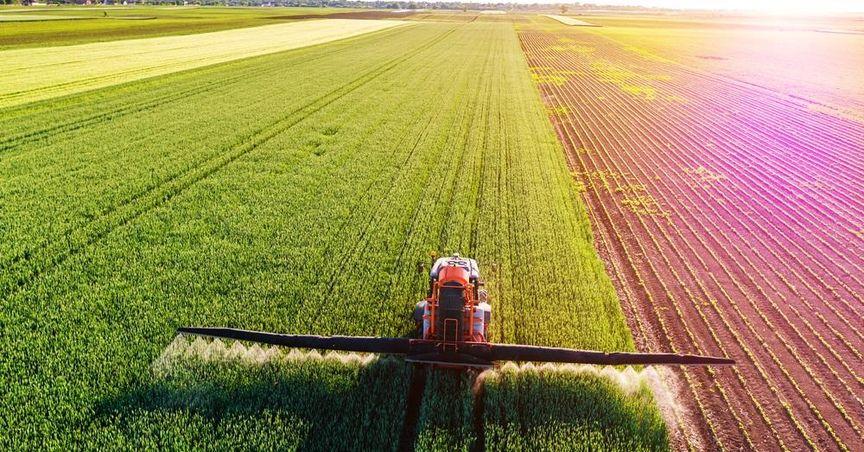
The most important concern centered on Deere’s production and precision agriculture business. This segment includes large tractors, combines, planters, sprayers, and technology-enabled farm equipment used by major agricultural operators.
Demand for large farm machinery tends to move in cycles. When farmers face weaker income expectations, higher operating costs, or uncertain commodity pricing, equipment purchases can slow. Deere’s latest update showed that this part of the business remains under pressure.
The company’s precision agriculture tools remain strategically important because they help farmers improve productivity, manage inputs, and use data more effectively. However, even advanced farm technology can face delayed adoption when customers become more cautious with capital spending.
Construction Helps Balance Weakness
Deere’s construction and forestry operations helped offset some agriculture softness. This business includes earthmoving equipment, roadbuilding machinery, compact construction machines, and forestry-related products.
Construction equipment demand can follow different cycles than agriculture machinery. Infrastructure activity, commercial development, housing trends, and public spending can all influence this segment. For Deere, this diversification provides an important buffer when farm equipment demand weakens.
The small agriculture and turf business also remains relevant, supported by compact tractors, utility equipment, and lawn care machinery. These areas may not fully offset large agriculture weakness, but they help create a broader revenue base.
Tariff Benefit May Not Repeat
Part of the quarterly performance was supported by a tariff-related recovery item. While that helped results, it may not represent recurring operating strength.
That distinction matters because recurring demand trends are more important than one-time benefits when assessing an industrial company’s direction. Market reaction appeared to reflect concern that underlying agriculture demand remained soft even after headline results looked stronger.
For Deere, the key issue is whether core equipment demand can stabilize as farm customers navigate cost pressures and uncertain operating conditions.
Farmer Economics Remain Key
Farm machinery demand is closely tied to farmer income, crop market conditions, input costs, financing availability, and confidence in future production needs.
When fertilizer, fuel, labor, or financing costs rise, farmers may delay major machinery upgrades. Large equipment purchases are significant decisions, and customers often wait for clearer operating visibility before committing to new machinery.
Deere’s equipment is often viewed as essential for modern farming, especially among large operators. However, even essential equipment can experience demand pauses during difficult farm cycles.
Industrial Category Fits Deere Best
The most relevant category for Deere is industrial machinery. The company is not primarily a technology, financial, healthcare, consumer, communication, or real estate business.
Its core identity is tied to manufacturing equipment used in agriculture, construction, forestry, turf care, and power systems. Its technology capabilities, including precision agriculture and connected machinery, support the industrial machinery business rather than replacing that category.
For this article, the relevant sector category is NYSE Industrial Stock machinery stock.
Precision Agriculture Remains Strategic
Despite near-term demand pressure, precision agriculture remains one of Deere’s most important long-term themes. The company has invested heavily in automation, machine connectivity, field data, and smart equipment systems.
These tools are designed to help farmers improve yields, reduce waste, manage inputs more efficiently, and increase productivity. Over time, precision agriculture may support stronger customer loyalty and higher equipment value.
However, the pace of adoption can still be influenced by farm budgets. In tougher agriculture cycles, even productivity-enhancing tools may see slower purchasing decisions.
Market Reaction Looks Beyond Results
Deere’s sharp share move showed how markets can react negatively even after better-than-expected earnings. In cyclical industries, the forward outlook often matters more than the latest quarter.
The company’s reaffirmed outlook signaled confidence in its operating plan, but the softer agriculture backdrop remained a concern. Market participants appeared focused on whether large farm equipment demand could remain weak for longer than expected.
This is common for machinery names. When demand cycles turn cautious, valuation and sentiment can shift quickly, even when business execution remains strong.
Balance Sheet and Dividends Stay Relevant
Deere also remains known for returning capital through regular dividends. The company’s dividend profile reflects its mature industrial business model and history of cash generation.
However, dividend sustainability depends on earnings durability, free cash flow, and balance sheet discipline. In a slower agriculture cycle, cash generation can become an important area of attention.
The company’s financial services arm also plays a meaningful role by supporting equipment financing. This can help customers access machinery, but it also connects Deere more closely to credit conditions and interest rate trends.
Hinges on Equipment Cycle
The path ahead for Deere depends largely on how quickly large agriculture demand stabilizes. If farm economics improve, equipment replacement cycles may strengthen. If cost pressure persists, demand could remain cautious.
Construction and forestry performance will also matter. Continued strength in those areas could help soften the impact of agriculture weakness.
Deere’s long-term strengths include brand recognition, dealer network depth, product innovation, and technology integration. Still, cyclical pressure remains a major factor for any industrial machinery company.
What Comes Next
The next major focus will be management’s commentary on agriculture order trends, dealer inventory, construction demand, pricing discipline, and margin performance.
Market participants will also watch whether precision agriculture continues gaining traction despite weaker large equipment demand. Any signs of stabilization in farm machinery orders could influence sentiment.
For now, Deere & Company (NYSE:DE), latest move shows a clear tension: strong execution in the quarter, but cautious expectations around the agriculture equipment cycle.
