
 AUS
AUS
 NZ
NZ
 UK
UK
 CA
CA
 USA
USA
 IND
IND





Highlights
- Deere & Company operates as a global machinery manufacturer
- Product portfolio spans agriculture, construction, and forestry equipment
- Market relevance aligns with broader S&P 500 Chart representation
Deere & Company (NYSE:DE), widely recognized through the John Deere brand, is a global manufacturer of agricultural, construction, and forestry machinery, along with turf care equipment and power systems. Headquartered in the United States, the company has developed a broad operational footprint that supports farming, infrastructure development, and land management activities worldwide. Its presence within large-cap benchmarks aligns with broader indicators such as the S&P 500 Chart, reflecting its significance among industrial companies listed on the New York Stock Exchange. Through a combination of mechanical engineering expertise and digital integration, Deere & Company continues to support modern agricultural and construction ecosystems.
Global Equipment Manufacturing Landscape
Deere & Company operates within the industrial machinery sector, delivering equipment that supports large-scale agricultural production, construction activities, and forestry operations. Its machinery is utilized across farms, infrastructure projects, and land development operations, forming a key component of global industrial activity.
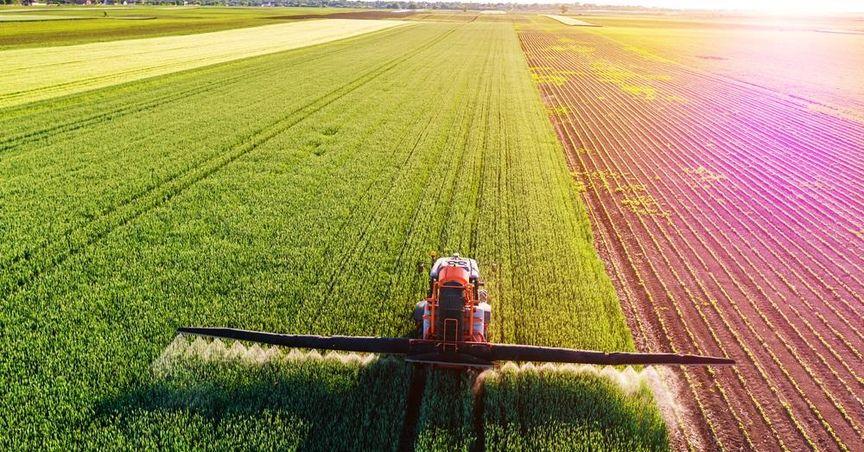
Agricultural equipment forms the largest segment of the company’s operations. This includes tractors, combines, planters, sprayers, and tillage equipment designed to assist farmers in crop cultivation and harvesting. Construction equipment includes excavators, loaders, and road-building machinery, while forestry equipment supports logging and land management processes.
The company’s equipment portfolio reflects a diversified manufacturing strategy that spans multiple industrial sectors. This diversification enables Deere & Company to maintain relevance across various economic activities connected to food production, infrastructure development, and natural resource management.
Product Portfolio And Engineering Capabilities
The company’s engineering capabilities are centered on producing high-performance machinery capable of operating in demanding environments. Agricultural equipment is designed to improve field productivity and operational efficiency, while construction machinery focuses on durability and performance under heavy workloads.
Precision agriculture technology forms a key component of Deere & Company’s modern equipment systems. These technologies integrate sensors, satellite positioning systems, and data analytics to enhance farm management practices. Precision systems assist operators in optimizing planting, fertilization, and harvesting activities.
In construction and forestry segments, engineering design emphasizes equipment resilience and operational safety. Machines are built to perform in rugged environments while maintaining consistent output across extended usage cycles. Through these engineering capabilities, Deere & Company supports industries that depend on reliable mechanical systems.
Financial Structure And Market Position
Deere & Company’s financial framework reflects its position as a large-scale industrial manufacturer. Public disclosures describe liquidity measures and leverage ratios that illustrate how the company balances operational funding with capital structure management. Current and quick ratios indicate the ability to meet short-term obligations, while leverage metrics outline relationships between debt and equity.
Market capitalization places Deere & Company among prominent industrial firms within global equity markets. Moving averages and valuation metrics provide descriptive reference points related to trading activity over time. These indicators illustrate how the company is positioned within the broader industrial sector.
The company’s return on equity and margin metrics reflect operational efficiency across its manufacturing and distribution processes. These measures highlight the effectiveness of production systems, supply chain management, and global distribution networks.
Agricultural Technology Integration
Deere & Company has expanded beyond traditional machinery manufacturing by integrating digital technologies into its equipment systems. Precision agriculture tools enable farmers to monitor crop conditions, optimize field inputs, and manage operations using real-time data.
Telematics systems embedded in machinery allow for remote monitoring of equipment performance. These systems track usage patterns, maintenance requirements, and operational efficiency. Data collected from machinery is analyzed to improve field management decisions and optimize productivity.
Digital integration supports automation within agricultural operations. Autonomous equipment and guided machinery systems enhance operational accuracy and reduce manual intervention. Through these advancements, Deere & Company contributes to the modernization of agricultural practices.
Construction And Infrastructure Equipment Role
In the construction sector, Deere & Company provides machinery used in infrastructure development projects such as road construction, excavation, and site preparation. Construction equipment is designed to perform heavy-duty tasks across diverse environments, including urban construction sites and large-scale infrastructure developments.
Equipment used in this segment includes loaders, excavators, and earthmoving machinery that support building and transportation projects. These machines are essential for shaping land, transporting materials, and completing construction operations.
The construction segment reflects the company’s participation in infrastructure development, which remains a fundamental component of economic activity. By supplying machinery used in these projects, Deere & Company contributes to the development of transportation networks and urban infrastructure.
Market Activity And Institutional Participation
Deere & Company continues to attract attention from large financial institutions that maintain exposure to industrial manufacturing companies. Several asset managers have adjusted positions in the company, reflecting ongoing portfolio management practices within large-cap equity allocations.
Ownership distribution indicates that a substantial portion of shares is held by professional asset managers. This level of participation is typical for companies operating within major industrial sectors that are represented in broad market benchmarks.
Within financial discussions, companies such as Deere & Company are often referenced alongside indicators like the S&P 500 Index, which aggregates performance across major sectors including industrials, technology, and healthcare. These references illustrate how industrial manufacturers contribute to overall market composition.
Institutional participation plays a role in shaping governance structures and shareholder engagement across publicly traded enterprises. This dynamic supports operational transparency and long-term corporate oversight.
Supply Chain And Global Operations
Deere & Company operates through a global manufacturing and distribution network that supports equipment delivery across multiple regions. Production facilities are located in key markets, enabling efficient manufacturing and distribution processes.
Supply chain operations involve sourcing raw materials, assembling machinery, and distributing finished products to dealers and customers worldwide. The company’s dealer network plays a significant role in equipment distribution, providing localized support for customers in agricultural and construction sectors.
Aftermarket services, including maintenance, parts replacement, and technical support, form an essential component of the company’s operational framework. These services ensure that equipment remains functional over extended periods, supporting long-term customer relationships.
Global operations enable Deere & Company to respond to demand across different regions, reflecting the international nature of agriculture and infrastructure development activities.
Competitive Landscape And Industry Position
The industrial equipment sector includes several global manufacturers that compete in agricultural and construction machinery markets. Competition is driven by product performance, technological innovation, and service capabilities.
Deere & Company differentiates itself through brand recognition, engineering expertise, and integration of digital technologies within its machinery. Precision agriculture tools and telematics systems contribute to its competitive positioning in modern farming practices.
Industry competition also involves continuous product development and adaptation to evolving customer requirements. Equipment manufacturers focus on improving efficiency, durability, and digital connectivity to remain relevant within changing industrial landscapes.
Through its diversified product portfolio and technological integration, Deere & Company maintains a strong position within the industrial machinery sector.
Market Context And Broader Benchmarks
Large industrial companies such as Deere & Company are often referenced within broader market discussions that include indicators like S&P 500 Today, which reflect ongoing activity across major sectors of the U.S. economy. These benchmarks include companies from multiple industries, illustrating overall market composition.
Deere & Company’s inclusion within such discussions reflects its scale and operational relevance within industrial manufacturing. Its performance contributes to sector-level representation within large-cap equity benchmarks.
Industrial companies play a vital role in supporting economic activity through machinery production, infrastructure support, and agricultural development. Their presence within major benchmarks highlights their importance within the broader economic framework.
Deere & Company continues to operate within this landscape, contributing to global agriculture, construction, and forestry activities through its equipment manufacturing and technological integration.
