
 AUS
AUS
 NZ
NZ
 UK
UK
 CA
CA
 USA
USA
 IND
IND




Highlights
- Deere & Company operates diversified industrial equipment platforms
- Business segments support agriculture, construction, and forestry needs
- NYSE-listed status reflects structured governance and disclosures
Deere & Company, formally listed as Deere & Company (NYSE:DE), operates as a global industrial manufacturer serving agriculture, construction, forestry, and turf care markets. The company designs, manufactures, and distributes equipment used across food production, infrastructure development, and land management activities. As part of broader equity discussions that include the s&p 500 index, Deere & Company is often referenced for its scale, industrial heritage, and operational discipline. This framing places the company within a widely followed equity environment while maintaining a factual, non-directional context. The following sections outline how Deere & Company structures its operations, manages business segments, and maintains relevance within regulated public markets.
How Is Deere Business Structured?
Deere & Company organizes its operations through clearly defined industrial segments that align with end-market demand. The company’s structure emphasizes manufacturing efficiency, product specialization, and long-standing customer relationships. Each segment operates with dedicated engineering, production, and service capabilities while remaining integrated under centralized governance. This structure supports operational clarity and accountability across global markets. Within broader equity references such as the s&p 500 fund, Deere’s segmented model demonstrates how industrial manufacturers balance scale with specialization. The company’s structure enables consistent product development and distribution without reliance on speculative narratives, focusing instead on execution and operational continuity.
What Defines Agriculture Turf Segment?
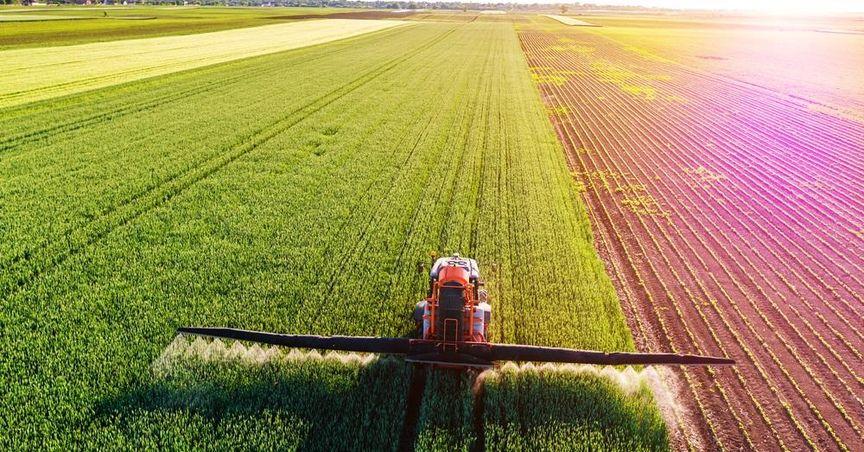
The Agriculture and Turf segment represents a foundational pillar of Deere & Company’s operations. This segment focuses on equipment used in farming, landscaping, and turf maintenance activities. Products are designed to support planting, harvesting, soil preparation, and land care processes. Manufacturing within this segment emphasizes durability, precision, and compatibility with evolving agricultural practices. In discussions referencing s&p 500 today, Deere’s agriculture-focused operations illustrate how industrial firms contribute to essential economic activities. The segment’s scope reflects long-term demand drivers tied to food production and land management rather than short-term market dynamics.
How Construction Forestry Segment Operates?
The Construction and Forestry segment addresses equipment needs for infrastructure development, resource management, and commercial land use. This segment produces machinery used in construction projects, forestry operations, and related industrial applications. Engineering efforts focus on performance, safety, and adaptability across diverse working conditions. The segment operates through manufacturing facilities and dealer networks designed to support large-scale projects. Within broader market narratives that mention the s&p 500 today, this segment highlights how industrial equipment providers support physical infrastructure and resource industries through disciplined operational models.
What Role Financial Services Play?
Deere & Company also operates a Financial Services segment that supports equipment distribution through customer financing and leasing solutions. This segment facilitates equipment access for customers while managing credit exposure through structured processes. Financial Services operations are aligned with the company’s manufacturing activities, enabling coordinated customer engagement. The segment operates under regulatory frameworks applicable to financial activities. In contexts where the s&p 500 chart is referenced, Deere’s financial services operations demonstrate how industrial firms integrate supportive financing functions without shifting focus away from core manufacturing capabilities.
How Manufacturing Supports Global Reach?
Manufacturing at Deere & Company is supported by a global network of production facilities and supply chains. These operations enable the company to serve customers across multiple regions while maintaining consistent quality standards. Manufacturing strategies emphasize efficiency, workforce expertise, and process standardization. Global reach requires coordination across logistics, sourcing, and compliance frameworks. In equity conversations that include the s&p 500, Deere’s manufacturing footprint reflects how industrial firms manage international operations within regulated markets while maintaining centralized oversight and operational discipline.
How Product Innovation Is Managed?
Product development at Deere & Company is driven by engineering expertise and customer requirements. Innovation efforts focus on improving equipment performance, durability, and operational efficiency. Development teams collaborate across segments to incorporate technological advancements while adhering to safety and regulatory standards. Innovation is positioned as a continuous operational function rather than a speculative initiative. Within discussions referencing the s&p 500 index fund, Deere’s approach illustrates how established manufacturers integrate innovation into long-term product cycles without altering their fundamental business identity.
How Financial Performance Communicated?
As a publicly listed company, Deere & Company communicates financial performance through standardized disclosures. These disclosures provide factual summaries of operational results, segment activity, and financial position. Reporting follows regulatory requirements and emphasizes transparency without interpretive language. Financial communication supports governance obligations rather than promotional objectives. In broader equity references such as s and p futures, Deere’s reporting practices highlight how industrial firms maintain accountability through consistent and regulated disclosure frameworks.
Why Deere Maintains Market Presence?
Deere & Company maintains a prominent presence within industrial and agricultural discussions due to its scale, product breadth, and operational consistency. Its equipment supports essential economic activities across farming, construction, and land management. Market visibility arises from operational execution and historical positioning rather than speculative interpretation. References to s&p futures often provide contextual framing for large industrial firms, placing Deere within a broad equity landscape. The company’s continued relevance reflects its structured operations, disciplined governance, and role within global industrial supply chains.
