
 AUS
AUS
 NZ
NZ
 UK
UK
 CA
CA
 USA
USA
 IND
IND






Highlights
- Rail freight connects production and consumption regions
- Network scale supports intermodal transportation efficiency
- nasdaq 100 etf coverage often references infrastructure leaders
CSX Corporation (NASDAQ:CSX) is a major North American freight rail provider serving industrial commercial and consumer markets across a broad geographic footprint. In market discussions that include nasdaq 100 etf, CSX is frequently referenced as a core transportation operator supporting supply-chain continuity. The company functions through its primary rail subsidiary which manages long-haul routes intermodal corridors and terminal operations. CSX plays a central role in moving bulk commodities manufactured goods and consumer products between inland production centers and coastal ports. As a NASDAQ-listed transportation company its profile is closely tied to infrastructure reliability operational efficiency and network scale rather than discretionary demand cycles.
How Does CSX Operate Network?
CSX operates an integrated rail network designed to support freight movement across multiple regions. In conversations linked to nasdaq today, the company is described as managing mainline routes yards and terminals that connect suppliers manufacturers and end markets. Rail operations emphasize scheduled service asset utilization and network fluidity. CSX coordinates train movements through centralized dispatch systems to maintain consistency across its footprint. The network supports both single-line rail service and intermodal transport involving trucks and terminals. This operational structure enables the company to serve diverse industries while maintaining efficiency across long-distance freight corridors.
What Freight Categories Served?
CSX transports a wide range of commodities and finished goods. In coverage associated with nasdaq index, the company is often noted for its exposure to industrial materials energy products agricultural inputs and consumer merchandise. Freight categories include bulk shipments intermodal containers and automotive-related cargo. This diversity allows CSX to serve multiple sectors simultaneously rather than relying on a single freight class. The mix of goods supports balanced network utilization across economic conditions. By maintaining a broad customer base CSX reinforces its role as a foundational freight carrier within North American logistics systems.
Why Rail Remains Essential?
Rail transportation remains a critical component of large-scale freight logistics. In discussions referencing nasdaq composite, CSX is cited for its ability to move high volumes of goods efficiently over long distances. Rail offers advantages in capacity fuel efficiency and congestion reduction compared to other transport modes. These characteristics make rail suitable for connecting inland production regions with coastal ports and distribution hubs. CSX’s rail infrastructure supports consistent freight flows that underpin manufacturing retail and export activity. The essential nature of rail reinforces its importance within national supply chains.
How Intermodal Services Function?
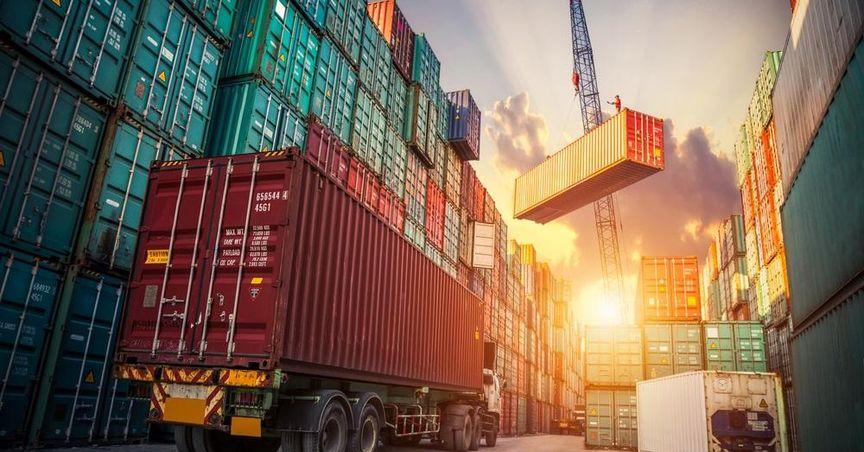
Intermodal transportation is a core element of CSX’s service offering. In narratives tied to nasdaq index fund, the company’s intermodal operations are described as linking rail lines with truck-based distribution. Containers move seamlessly between trains and trucks through strategically located terminals. This approach allows customers to combine the efficiency of rail with the flexibility of road transport. Intermodal services support time-sensitive shipments while optimizing network capacity. CSX’s intermodal strategy reflects broader logistics trends favoring integrated transport solutions.
What Supports Operational Efficiency?
Operational discipline underpins CSX’s network performance. In commentary connected to nasdaq composite etf, the company is often highlighted for focusing on train scheduling asset utilization and cost control. Yard operations are designed to reduce dwell times and improve throughput. Technology investments support monitoring of locomotives railcars and track conditions. These practices enhance service reliability while supporting consistent network flow. Efficiency initiatives are aimed at maintaining steady freight movement rather than maximizing short-term volume surges.
How Infrastructure Enables Scale?
CSX’s infrastructure network spans major economic regions. In references linked to nasdaq companies by market cap, the company is recognized for controlling extensive rail corridors terminals and rights-of-way. This infrastructure enables the movement of freight at scale across long distances. Network density allows for route flexibility and service redundancy. Infrastructure investments focus on maintaining track quality bridge integrity and terminal capacity. These assets form the physical foundation of CSX’s transportation capabilities.
Where CSX Fits Transportation Sector?
Within the broader transportation sector CSX occupies a strategic position. In discussions mentioning nasdaq biggest companies, it is categorized as a core freight rail operator rather than a passenger or logistics brokerage firm. Its role centers on heavy freight movement rather than last-mile delivery. CSX’s scale and network reach distinguish it from regional or short-line rail providers. This positioning reinforces its importance within industrial supply chains and national commerce.
What Defines Corporate Identity?
CSX’s corporate identity is shaped by reliability scale and network discipline. In commentary associated with nasdaq composite index fund, the company is described as emphasizing consistency safety and operational execution. Brand perception is tied to infrastructure stewardship rather than consumer-facing services. CSX presents itself as a long-term transportation partner for industrial and commercial customers. This identity aligns with its role as a backbone freight carrier supporting economic activity across regions.
