
 AUS
AUS
 NZ
NZ
 UK
UK
 CA
CA
 USA
USA
 IND
IND





Highlights
- Equipment rental services remain closely tied to construction and industrial operations across North America.
- Regulatory filings recently highlighted share transactions connected with United Rentals activity.
- Fleet expansion and specialty equipment services continue shaping the equipment rental sector.
NYSE Composite discussion highlights United Rentals fleet operations, infrastructure support services, construction equipment demand, congressional disclosure activity, and industrial rental sector developments nationwide
The industrial equipment rental sector remains an important component within the broader commercial services landscape linked with the NYSE Composite. United Rentals operates across construction, municipal, manufacturing, and infrastructure segments through equipment rental services and operational support solutions. Recent disclosures connected with congressional financial reporting brought additional attention to company activity during a period marked by evolving construction demand and fleet management expansion.
Equipment Rental Services Across Industries
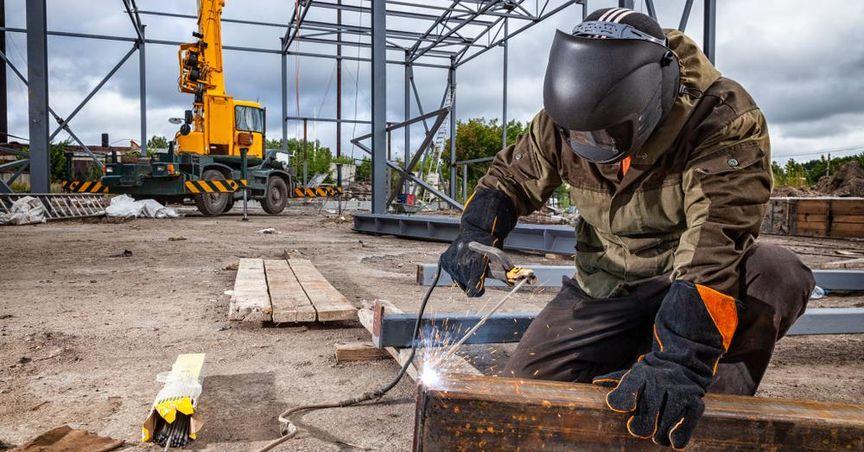
Construction and industrial projects frequently depend on short-term and long-term equipment access for operational continuity. Rental providers supply machinery, aerial systems, excavation equipment, trench support tools, power systems, and climate control units across commercial and public-sector projects.
United Rentals maintains a broad equipment fleet serving infrastructure development, industrial maintenance, energy operations, and municipal projects. Service offerings extend beyond standard machinery access through specialized categories that include fluid solutions, temporary power systems, and site support equipment.
Rental-based operational models remain widely used because project timelines and equipment requirements often change throughout construction and maintenance cycles. Flexible access to machinery allows contractors and industrial operators to align equipment usage with active project demands.
Congressional Filing Activity Draws Attention
Recent regulatory disclosures documented share transactions connected with United Rentals (NYSE:URI). Public reporting requirements related to congressional financial activity continue generating visibility around transactions involving companies listed across major market benchmarks.
The filing identified activity associated with a retirement-related account connected to Representative Maria Elvira Salazar. Similar disclosures involving companies across healthcare, industrial services, software, and manufacturing sectors appeared within the same reporting cycle.
Regulatory transparency frameworks require elected officials to disclose certain financial transactions within established reporting timelines. Public records connected with these disclosures often receive attention when related to widely recognized corporations operating across large commercial sectors.
Quarterly Performance and Revenue Trends
Recent company reporting reflected continued activity across construction and industrial rental operations. Revenue movement remained linked with infrastructure activity, municipal development, commercial construction projects, and industrial maintenance demand.
Equipment rental businesses commonly experience changing demand patterns connected with seasonal construction schedules, energy-sector operations, and public infrastructure work. Fleet utilization, transportation logistics, and maintenance coordination remain central components of daily operations within the sector.
United Rentals also continued activity related to fleet modernization and specialty service expansion. Specialized rental categories have become increasingly important within industrial operations requiring temporary climate systems, trench safety equipment, and power management solutions.
The equipment rental industry frequently supports sectors such as transportation infrastructure, manufacturing facilities, warehousing operations, telecommunications expansion, and emergency response projects. Demand across these areas contributes to ongoing fleet deployment activity throughout regional markets.
Institutional Participation and Corporate Activity
Institutional organizations remain active participants within industrial and commercial service companies connected with large-cap market indexes. Portfolio adjustments involving equipment rental firms commonly occur alongside broader sector allocation activity across infrastructure and industrial services.
Corporate activity involving share transactions, operational financing, and fleet acquisition programs continues drawing attention across the industrial services segment. Equipment rental firms often maintain extensive asset networks requiring continuous coordination between transportation systems, maintenance facilities, and regional distribution centers.
Public reporting also referenced activity connected with share reacquisition authorization programs and quarterly cash distributions. Such corporate actions remain common across established industrial companies operating within mature commercial sectors.
Market attention surrounding the nyse composite index frequently includes industrial companies tied to construction, transportation, and infrastructure services. Equipment rental providers remain part of this broader industrial landscape due to ongoing demand for specialized machinery and operational support systems.
Specialty Equipment and Infrastructure Demand
Infrastructure activity continues supporting demand for heavy machinery and specialized operational tools across transportation corridors, utility development, municipal maintenance, and industrial construction projects. Rental providers supply equipment for excavation, material transport, elevated access, and temporary operational support.
United Rentals (NYSE:URI) maintains service categories connected with aerial platforms, trench systems, material handling machinery, and power-related equipment. Specialized divisions support commercial contractors and industrial operators requiring temporary technical solutions during active project periods.
Construction sector activity also influences logistics coordination, fleet transportation scheduling, and maintenance operations across regional service networks. Equipment availability, servicing capability, and transportation efficiency remain important operational factors within the rental industry.
Commercial and municipal projects often require temporary access to machinery without permanent equipment ownership arrangements. Rental-based systems continue supporting infrastructure expansion and industrial maintenance activity across multiple sectors tied to the NYSE Composite.
