
 AUS
AUS
 NZ
NZ
 UK
UK
 CA
CA
 USA
USA
 IND
IND






Highlights
- Aircraft deliveries show improving momentum.
- Production plans support recovery progress.
- Firmer orders strengthen the backlog.
Improving aircraft deliveries, firmer orders, and expanding production plans are strengthening the aerospace recovery, while quality control, supplier coordination, and reliable execution remain central to sustained progress.
The Boeing Company (NYSE:BA), a global aerospace manufacturer producing commercial jets, defense systems, spacecraft, and aviation services, has regained market attention as improving aircraft deliveries and firmer production plans strengthen its recovery narrative. The companys progress has also reinforced its importance within the NYSE Composite, where its operational performance offers a broader view of manufacturing activity, airline demand, and confidence across the physical economy.
Delivery Momentum Strengthens Recovery Story
The latest improvement centers on Boeings steadier cadence of commercial and defense aircraft handovers. Deliveries are especially important for an aerospace manufacturer because they mark the stage when completed aircraft reach customers and contribute to reported revenue and cash generation.
A more consistent delivery rhythm suggests that aircraft are moving through production, inspection, and customer acceptance with fewer interruptions. This progress carries additional significance after an extended period marked by manufacturing challenges, supply constraints, and heightened regulatory attention.
Commercial airlines continue seeking aircraft that can modernize fleets, improve fuel efficiency, and support expanding travel networks. Boeings ability to meet that demand depends on maintaining stable production while ensuring that every aircraft satisfies demanding safety and quality requirements.
Production Plans Gain Firmer Ground
Regulatory clearance to raise narrowbody aircraft output represents another important element of Boeings recovery. Narrowbody jets serve short and medium-distance routes and form a central part of airline fleets across domestic and regional networks.
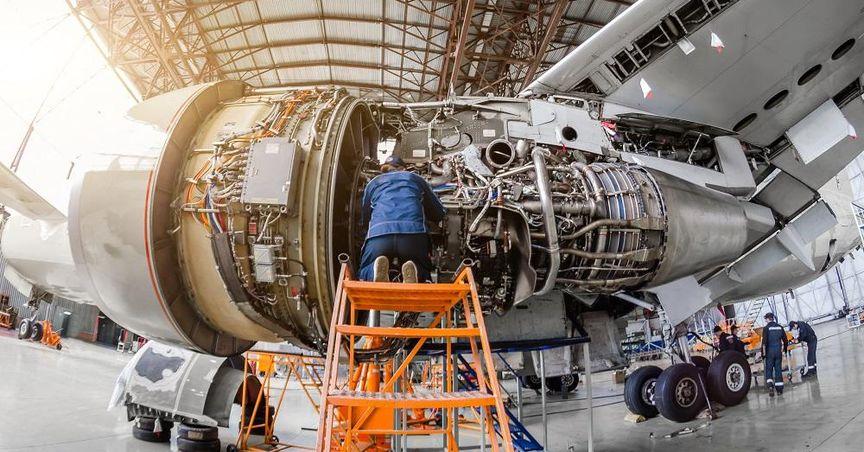
Higher production can help Boeing address its extensive backlog, but the process requires careful coordination. Aircraft manufacturing involves thousands of components sourced from a broad network of suppliers, meaning disruption involving a single critical part can affect the wider assembly schedule.
The company must therefore balance greater output with stronger quality controls. Raising production too rapidly could pressure suppliers or manufacturing teams, while moving too slowly could delay customer deliveries and limit financial improvement. Sustainable progress depends on measured execution rather than expansion alone.
Orders Reinforce Long-Term Demand
Firmer aircraft orders provide additional support for Boeings commercial outlook. Airlines and aircraft leasing groups typically plan fleet requirements years in advance, making order activity an important indicator of longer-term confidence in aviation demand.
Boeings backlog offers visibility into future production, although an order does not immediately translate into revenue. Aircraft must still be manufactured, inspected, certified, and delivered before contributing fully to business performance.
Demand for both narrowbody and widebody aircraft reflects different parts of the aviation market. Narrowbody models support high-frequency domestic and regional routes, while widebody aircraft serve international travel and long-distance cargo operations.
A balanced order flow across these aircraft families could strengthen Boeings position as airlines continue replacing older fleets and planning future capacity.
Industrial Rotation Supports Market Attention
Boeings recent progress has arrived during renewed market attention toward industrial stocks connected to manufacturing, infrastructure, transportation, and the broader economic cycle.
Industrial stock companies often respond to changes in economic confidence, capital spending, global trade, and production activity. Aerospace manufacturing occupies a particularly influential position because it combines advanced engineering, long manufacturing timelines, large customer commitments, and extensive supply networks.
Boeings performance can therefore affect more than the company itself. A stable production increase may support component manufacturers, engine suppliers, logistics providers, maintenance businesses, and specialized engineering firms connected to the aviation ecosystem.
This broad reach makes Boeing an important indicator of conditions across commercial aerospace and advanced manufacturing.
Diverse Operations Add Business Balance
Boeing operates through commercial aviation, defense and space programs, and global services. Its commercial aircraft division designs and produces passenger and cargo jets for airlines and leasing companies worldwide.
The defense and space business develops military aircraft, weapons systems, satellites, and related technologies for government customers. These programs can provide demand that follows different cycles from commercial aviation.
Its services operation supports aircraft after delivery through maintenance, training, spare parts, digital tools, and technical assistance. This division deepens customer relationships while creating recurring activity throughout an aircrafts operating life.
Together, these businesses give Boeing exposure to commercial travel, national security priorities, space development, and long-term aviation support.
Execution Remains The Central Test
Despite visible progress, Boeings recovery still depends on consistent execution. The company must sustain aircraft quality, coordinate suppliers, manage production schedules, meet regulatory expectations, and complete customer deliveries without sacrificing reliability.
Supply limitations remain an industry-wide challenge. Engine availability, specialized components, skilled labor, and transportation constraints can affect output even when airline demand remains healthy.
Fuel costs and wider economic conditions may also influence airline fleet plans. However, long aircraft replacement cycles and substantial backlogs can provide some stability against short-term market fluctuations.
The central question is whether Boeing can convert stronger orders and production clearance into a dependable delivery cadence. Continued improvement would reinforce the companys recovery, support cash generation, and strengthen confidence across its extensive aerospace network.
Recovery Depends On Consistent Execution
The Boeing Company (NYSE:BA) improving delivery pace, firmer orders, and expanding production plans suggest that its recovery is gaining structure. The company remains a major force in global aerospace, supported by its commercial aircraft portfolio, defense operations, and worldwide services network.
Yet progress must be sustained through careful manufacturing discipline. Stable quality, reliable suppliers, and predictable aircraft handovers will determine whether recent momentum develops into a durable operational recovery.
