
 AUS
AUS
 NZ
NZ
 UK
UK
 CA
CA
 USA
USA
 IND
IND






Highlights
- ExxonMobil operates integrated businesses across oil, natural gas, refining, chemicals, and low-carbon technologies.
- The company maintains production, manufacturing, and marketing activities in numerous countries.
- Large-scale projects and technology development remain central to long-term operations.
ExxonMobil is one of the world's largest integrated energy companies, operating across the global energy sector through activities that include exploration, production, refining, chemical manufacturing, and marketing. Headquartered in Texas, the company serves customers in more than one hundred countries and supports industries ranging from transportation and manufacturing to power generation and aviation. Its operations span the entire energy value chain, allowing the company to participate in multiple stages of resource development and product delivery.
Integrated Business Model
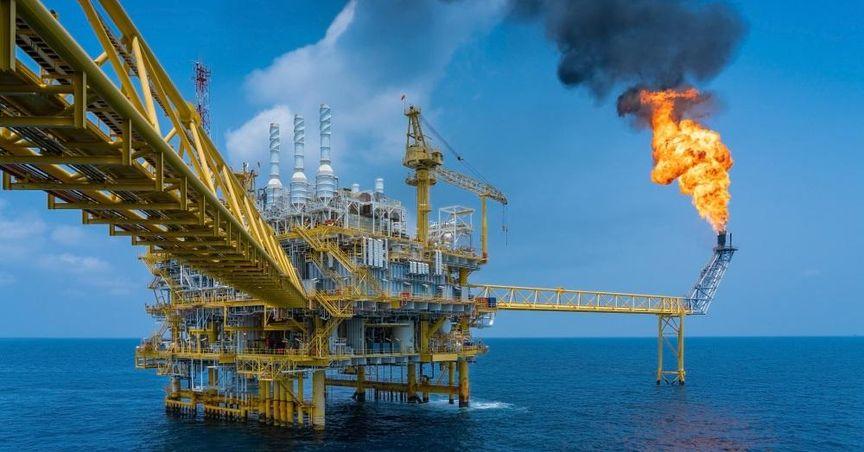
ExxonMobil (NYSE:XOM) organizes its operations into several major business segments. The upstream division focuses on discovering and producing crude oil and natural gas from onshore and offshore fields located around the world. Production activities include geological studies, drilling, field development, and reservoir management.
The downstream business refines crude oil into transportation fuels such as gasoline, diesel, aviation fuel, marine fuel, and lubricants. The company also manufactures specialty products that support automotive, industrial, and commercial applications.
Another important area is chemical manufacturing. Through its chemical operations, ExxonMobil produces materials used in packaging, construction, healthcare, consumer products, and automotive manufacturing. These products include polyethylene, polypropylene, elastomers, and performance polymers.
Global Production Assets
ExxonMobil operates production assets across North America, South America, Europe, Africa, Asia-Pacific, and the Middle East. Major upstream regions include the Permian Basin in the United States, offshore Guyana, Canada, Australia, and several offshore developments worldwide.
The Permian Basin has become one of the company's largest production areas due to its extensive shale resources. Offshore Guyana has also emerged as an important production region following significant discoveries over the past decade. Multiple floating production facilities support oil extraction from offshore reservoirs.
Natural gas production forms another significant part of the company's portfolio. These resources supply domestic markets while supporting liquefied natural gas exports in selected regions.
Refining and Marketing Network
Refining remains an essential component of ExxonMobil's operations. Refineries convert crude oil into fuels and other petroleum products that are distributed through wholesale customers, commercial users, aviation businesses, and retail fuel stations.
The company also markets lubricants under well-known brands for passenger vehicles, commercial transportation, industrial machinery, and marine equipment. These products are available in many international markets through distributors and service centers.
An extensive logistics network of pipelines, storage terminals, marine transportation, and distribution facilities supports movement of raw materials and finished products throughout global operations.
Chemical Manufacturing
ExxonMobil manufactures petrochemicals used across numerous industries. Chemical products are incorporated into food packaging, household goods, medical equipment, electronics, automotive components, construction materials, and industrial applications.
Research facilities continue developing advanced polymers designed to improve durability, efficiency, recyclability, and manufacturing performance. Innovation within chemical manufacturing supports changing customer requirements across multiple industrial sectors.
Liquefied Natural Gas Activities
Liquefied natural gas has become an increasingly important component of the global energy landscape. ExxonMobil participates in LNG developments through production, transportation, and export infrastructure located in various regions.
Natural gas is cooled into liquid form for shipment by specialized carriers, allowing supplies to reach markets that lack direct pipeline connections. LNG supports electricity generation, industrial manufacturing, and commercial energy demand across many countries.
Research and Technology
Technology development supports many aspects of ExxonMobil's operations. Advanced seismic imaging assists exploration teams in identifying potential resource formations. Digital monitoring systems help improve production efficiency while automation enhances operational reliability across facilities.
The company also conducts research involving advanced materials, emissions management technologies, carbon capture systems, hydrogen production, and lower-emission fuels. These initiatives complement existing oil and natural gas businesses while supporting broader technological development within the energy industry.
Environmental Initiatives
Environmental programs include efforts to improve operational efficiency, reduce routine emissions, enhance water management, and strengthen recycling initiatives at selected facilities.
Carbon capture and storage remains one area of continued development. These projects are intended to capture carbon dioxide generated during industrial activities and store it in suitable underground geological formations. ExxonMobil (NYSE:XOM) also participates in research related to hydrogen production and alternative energy technologies.
International Presence
Operations extend across numerous countries through exploration licenses, production facilities, refineries, chemical plants, research centers, distribution networks, and marketing organizations.
International operations require coordination with suppliers, contractors, transportation providers, and local communities. Regional operations differ according to geology, infrastructure, customer demand, and regulatory requirements.
The company's broad geographic footprint allows participation in a wide range of energy markets while supplying products used by households, businesses, transportation providers, manufacturers, and industrial customers.
Industry Position
Integrated energy companies continue supplying fuels, lubricants, chemicals, and industrial materials that support modern economies. ExxonMobil remains a significant participant within this industry through its diversified portfolio, extensive infrastructure, and global operating experience.
Ongoing developments across exploration, refining, chemical manufacturing, digital technologies, and lower-emission projects illustrate the company's broad operational scope. Its combination of upstream production, downstream manufacturing, and chemical operations distinguishes the company from businesses focused on a single segment of the energy value chain.
