
 AUS
AUS
 NZ
NZ
 UK
UK
 CA
CA
 USA
USA
 IND
IND






Highlights
- Exxon Mobil remains central to global energy discussions through integrated oil and gas operations.
- Crude oil movements and supply developments continue shaping attention across energy markets.
- The company remains part of the broader S&P 500 landscape through its large-scale operations.
The energy sector continues to play an important role in the global economy, with oil, natural gas, refining, and chemical activities supporting transportation, manufacturing, and industrial demand. Exxon Mobil Corporation (NYSE:XOM) operates as one of the largest integrated energy companies, with activities spanning exploration, production, refining, chemicals, and lower-carbon initiatives. The company forms part of the broader S&P 500 environment, reflecting its position among major publicly traded corporations in the United States.
The business operates across multiple regions, including North America, South America, Africa, Asia-Pacific, and Europe. Its operations include upstream activities focused on resource development, downstream activities involving fuel production, and chemical manufacturing serving industrial markets.
Integrated Oil and Gas Operations
An integrated operating structure allows the company to participate across several parts of the energy value chain. Upstream operations involve locating, developing, and producing crude oil and natural gas resources. Downstream activities include refining crude into products such as gasoline, diesel, jet fuel, and other petroleum-based materials.
The company also operates chemical facilities producing materials used in packaging, construction, manufacturing, and consumer goods. This combination provides exposure to multiple areas of the energy industry rather than a single operating segment.
Global Production Assets
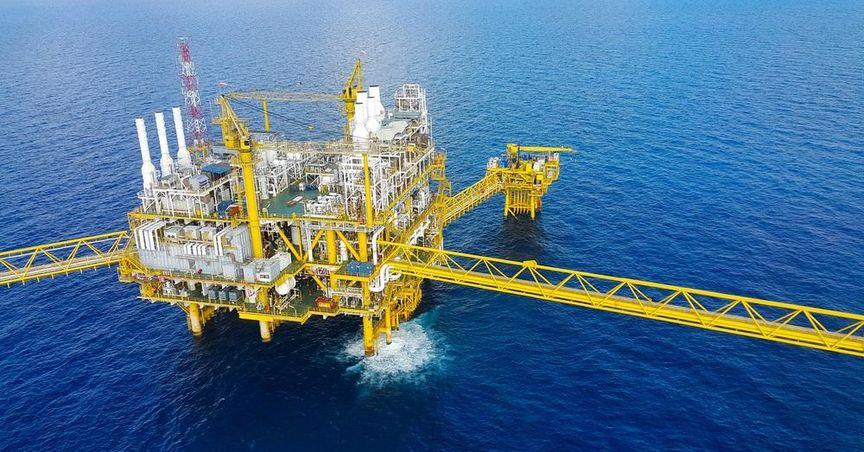
The company maintains a broad collection of production assets across different geographic locations. Operations in the Permian Basin represent a significant part of its North American resource base, while offshore developments and international projects contribute additional production capacity.
Deepwater assets remain an important area of activity, with projects located in regions such as Guyana and other offshore locations. These developments involve large-scale engineering, infrastructure requirements, and long-term operational planning.
Crude Oil and Supply Developments
Global crude oil markets continue to respond to changes in production levels, transportation routes, and geopolitical developments. Events affecting major shipping corridors can influence supply conditions across international energy markets.
The Strait of Hormuz remains one of the most closely monitored maritime routes because of its importance in global energy transportation. Any disruption along major supply channels can affect crude availability and influence activity across energy-related companies.
The energy category, including Energy Stocks, often reflects these broader commodity developments due to the connection between resource markets and corporate operations.
Refining and Chemical Activities
Refining operations represent another important part of the business. Refineries process crude oil into fuels and other products used by transportation networks, businesses, and households.
Refining performance depends on several factors, including crude availability, fuel demand, operating efficiency, and regional market conditions. Chemical operations provide materials used across various industrial applications, including plastics, packaging, and manufacturing processes.
Together, refining and chemicals create additional connections between the company and wider industrial activity.
Energy Transition and Technology Development
The company has expanded activities related to lower-carbon technologies, including carbon capture, hydrogen, and biofuels. These areas reflect broader changes taking place throughout the energy industry as companies explore different methods of reducing emissions while continuing traditional energy operations.
Carbon capture projects involve technology designed to capture carbon dioxide emissions from industrial facilities. Hydrogen development and biofuel activities represent additional areas connected with changing energy systems.
Market Position Within the S&P 500
Large energy companies have historically represented an important component of major market indexes. Within the S&P 500, Exxon Mobil represents a significant energy presence alongside other companies involved in oil, gas, and related activities.
The index includes businesses from numerous industries, allowing energy companies to be viewed within the wider context of the United States corporate landscape. Energy sector movements can influence broader index activity, particularly during periods of major commodity changes.
Industry Competition and Operations
The global energy industry includes major integrated companies, independent producers, refining businesses, and specialized service providers. Competition exists across resource development, technology, operational efficiency, and access to large-scale projects.
Large integrated companies often maintain diverse operations across several markets. This structure requires coordination between production assets, transportation networks, refining facilities, chemical plants, and technology programs.
Recent Operational Developments
Recent company activity has included continued development of upstream resources, expansion of lower-carbon projects, and ongoing improvements across existing facilities. Production activities in major regions remain connected with global demand patterns and commodity market conditions.
The company also continues maintaining a large refining network and chemical manufacturing presence. These operations support its role within the global energy industry and its connection with broader industrial markets.
Broader Importance of Energy Companies
Energy companies remain closely connected with economic activity because oil and natural gas support transportation, electricity generation, manufacturing, and many industrial processes. Changes in supply conditions can influence businesses across multiple sectors.
Within the S&P 500, large energy companies provide exposure to one of the most globally connected industries. Exxon Mobil Corporation continues operating within this environment through its integrated business model, international assets, and diverse range of energy-related activities.
