
 AUS
AUS
 NZ
NZ
 UK
UK
 CA
CA
 USA
USA
 IND
IND






Highlights
- Operates across upstream, downstream, and chemical segments worldwide.
- Maintains a broad portfolio of oil, natural gas, refining, and petrochemical assets.
- Remains a prominent component of the S&P 500 Index and the energy sector.
Integrated energy company Exxon Mobil manages worldwide production, refining, and chemical operations while maintaining significant representation within the S&P 500 Index .
The energy sector plays a central role in global economic activity, supplying fuels, lubricants, petrochemicals, and other products that support transportation, manufacturing, and industrial operations. Within this sector, Exxon Mobil (NYSE:XOM) is one of the world's largest integrated energy companies. As a major constituent of the S&P 500 Index , the company participates in exploration, production, refining, chemicals, and energy-related technologies across numerous regions.
Integrated Business Structure
Exxon Mobil operates through a diversified business model that spans multiple parts of the energy value chain. Activities begin with the exploration and production of crude oil and natural gas in several geographic markets, including North America, South America, Asia-Pacific, Europe, the Middle East, and Africa.
The company also manages refining operations that convert crude oil into transportation fuels and other petroleum products. These facilities supply gasoline, diesel, aviation fuels, lubricants, and specialty products used throughout industrial and consumer markets.
Chemical manufacturing represents another major component of operations. Petrochemical facilities produce materials utilized in packaging, automotive manufacturing, construction, healthcare applications, and consumer goods.
Position Within Energy Stocks
The company is frequently discussed alongside Energy Stocks due to its scale and broad operational footprint. Integrated energy producers occupy a distinct position within the sector because they participate in both resource extraction and product manufacturing.
This structure differentiates integrated companies from pure exploration firms or standalone refiners. Market conditions affecting crude oil, natural gas, refined products, and petrochemicals can influence various segments differently, creating a diversified operational profile.
Within the broader energy industry, Exxon Mobil (NYSE:XOM) maintains assets that support production, transportation, processing, and distribution activities across multiple continents.
Upstream Operations
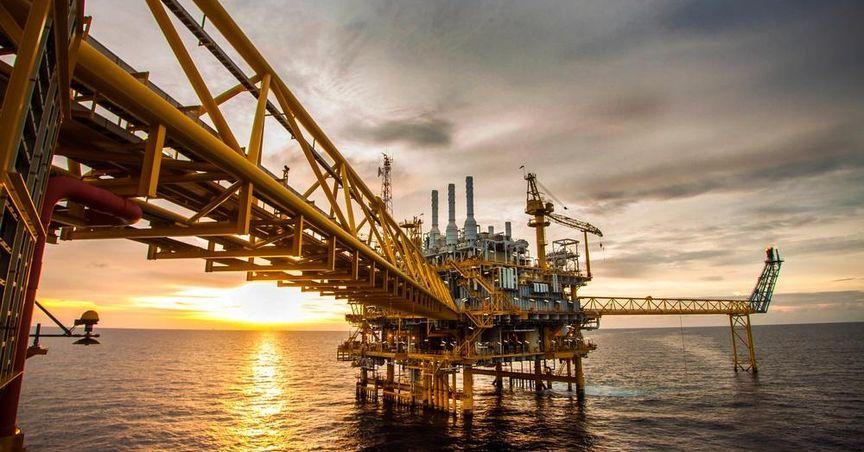
Exploration and production activities remain a significant element of company operations. Upstream assets include offshore developments, conventional fields, shale resources, and natural gas projects.
Major producing regions include the Permian Basin in the United States, offshore Guyana developments, and projects located across several international markets. Production volumes are supported by ongoing drilling programs, infrastructure development, and resource management initiatives.
Natural gas continues to represent an important component of operations as global demand for cleaner-burning fuel sources remains a notable industry trend. Liquefied natural gas projects also contribute to international energy supply networks.
Refining and Product Manufacturing
Refining operations form an essential connection between crude production and end-user consumption. Facilities process raw hydrocarbons into fuels and specialty products used throughout transportation, industrial manufacturing, and commercial activities.
Global refining networks enable the company to supply products to domestic and international markets. Operational efficiency, maintenance activities, logistics management, and product demand patterns influence refinery performance.
Petrochemical manufacturing further expands the business beyond transportation fuels. Chemical products support industries ranging from healthcare and electronics to packaging and construction materials.
Industry Trends and Energy Demand
Global energy demand continues to be influenced by population growth, industrial development, urbanization, and expanding transportation requirements. These trends affect demand patterns for crude oil, natural gas, fuels, and petrochemical products.
Energy producers also operate within an environment shaped by technological advancement, emissions-reduction initiatives, and infrastructure modernization. Developments in carbon capture, lower-emission fuels, and operational efficiency have become increasingly relevant throughout the industry.
As a large integrated operator, Exxon Mobil participates in several initiatives connected to industrial emissions management, carbon capture technologies, and energy infrastructure development.
Geographic Presence and Major Assets
Operations extend across numerous countries and regions, providing exposure to a diverse range of resource basins and customer markets. Production assets, refining facilities, chemical plants, and distribution networks contribute to a broad international footprint.
Guyana has emerged as a notable area of activity due to significant offshore discoveries and ongoing project development. In North America, the Permian Basin remains a key production region supported by extensive infrastructure and operational capabilities.
Additional assets across Europe, Asia-Pacific, Africa, and South America contribute to global production and product distribution activities.
Energy Sector Developments
The global energy industry remains influenced by commodity supply trends, transportation networks, refining capacity, and changing consumption patterns. Geopolitical developments, shipping routes, and infrastructure availability can affect market conditions throughout the sector.
Integrated producers must coordinate production activities with refining operations and product distribution systems. This requires extensive logistical planning, technical expertise, and asset management across multiple jurisdictions.
The company's scale enables participation in various segments of the energy ecosystem, ranging from upstream resource development to downstream manufacturing and marketing activities.
Market Relevance and Industry Standing
The energy sector remains an important component of the U.S. equity market, and large integrated companies frequently attract attention due to their operational scale and global reach. Within this context, Exxon Mobil (NYSE:XOM) remains a significant participant in the S&P 500 Index and the broader energy industry.
Its combination of upstream production, refining operations, chemical manufacturing capabilities, and international asset portfolio reflects the characteristics commonly associated with large integrated energy enterprises. Ongoing developments in energy demand, infrastructure expansion, resource development, and industrial technologies continue to shape the operating environment for major companies throughout the sector, including participants within the S&P 500 Index .
