
 AUS
AUS
 NZ
NZ
 UK
UK
 CA
CA
 USA
USA
 IND
IND

_07_03_2026_03_50_21_133108.jpg)


Highlights
- Swiss Life Asset Management increased stake during recent reporting period
- Institutional participation remained significant across broader shareholder base activity
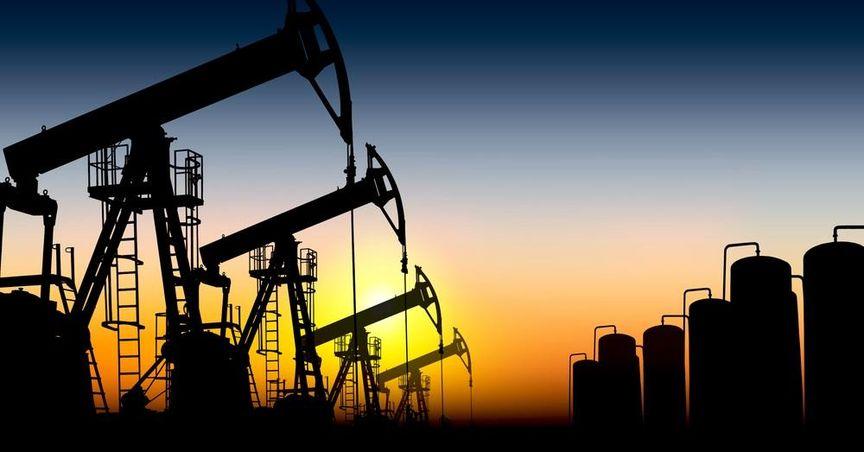
- Integrated operations span oil sands refining and retail fuel network
The energy sector in Canada remains anchored by large integrated producers engaged across exploration, production, refining, and distribution activities. Suncor Energy Inc stands as a prominent participant within this landscape.
Suncor Energy Inc operates across the complete oil and gas value chain, with activities ranging from oil sands production in Alberta to refining and fuel distribution. The company remains an important participant in Canada’s energy sector, nyse composite index upplying crude and refined petroleum products to commercial and consumer markets. Ongoing developments related to (NYSE:SU) continue to draw attention within the broader energy space, while also aligning with search interest around the .
Institutional Stake Activity Overview
Recent regulatory filings outlined adjustments in share ownership by Swiss Life Asset Management Ltd, which expanded its position in Suncor Energy during a recent reporting period. The firm added additional shares, bringing its overall exposure to a higher level compared with earlier disclosures. This movement aligns with broader institutional participation trends surrounding (NYSE:SU), where multiple entities have adjusted their positions.
Other firms also recorded notable changes. CWA Asset Management Group LLC increased its exposure significantly, reflecting a broader pattern of participation within the energy segment. Principal Financial Group Inc maintained a relatively stable position with a marginal addition, indicating continuity in its allocation approach toward Suncor Energy. Meanwhile, Picton Mahoney Asset Management registered a substantial increase in share count, marking one of the more pronounced changes among participating entities.
Allspring Global Investments Holdings LLC also expanded its allocation, reflecting continued engagement across institutional participants. Additionally, SCP Investment LP initiated a fresh position in Suncor Energy, adding to the diversity of stakeholders involved. Collectively, these movements demonstrate that a large portion of shares remains under institutional ownership, highlighting the company’s relevance within portfolio allocations tied to the energy sector.
Broader Energy Sector Context
The Canadian energy landscape continues to revolve around oil sands production and integrated refining capabilities. Companies operating within this sector often manage upstream extraction alongside downstream processing and distribution. Suncor Energy remains one of the key entities in this structure, contributing to both domestic supply and export-oriented production.
Oil sands operations form a central component of the company’s upstream activities. These operations involve extracting bitumen using both mining and in situ methods, followed by upgrading processes that convert raw materials into synthetic crude. This approach allows for a stable production base, supporting downstream refining and marketing activities.
The integration of upstream and downstream segments provides operational continuity, enabling Suncor Energy to manage production flows through refining facilities and into retail networks. This structure supports the supply of fuels and related products across various markets, reinforcing the company’s role within the broader Canadian energy framework.
Operational Structure And Activities
Suncor Energy operates through a diversified structure that includes exploration, production, refining, and marketing. Upstream activities focus on oil sands development and conventional production, while downstream operations encompass refining and distribution of petroleum products.
Oil sands mining remains a cornerstone of the company’s upstream portfolio. These projects involve large-scale extraction processes, supported by advanced technologies designed to handle complex geological formations. In situ production methods complement mining operations, enabling access to reserves that are not suitable for traditional extraction techniques.
Refining operations form another critical segment, converting crude and synthetic inputs into finished products such as gasoline, diesel, and jet fuel. These refined products are then distributed through a network of retail outlets and commercial channels. This integrated model allows Suncor Energy to maintain control over multiple stages of the value chain, enhancing operational efficiency and supply consistency.
Market Position And Scale
Suncor Energy holds a prominent position within the Canadian energy sector, supported by its large-scale operations and integrated business model. The company’s presence across upstream and downstream segments allows it to participate in multiple aspects of the energy value chain, contributing to its overall scale and reach.
Market activity surrounding (NYSE:SU) reflects its established role within institutional portfolios and sector-focused allocations. The company’s operations in oil sands development, combined with refining and retail distribution, position it as a key contributor to energy supply across North America.
Its headquarters in Calgary places it at the center of Canada’s energy industry, where proximity to major oil sands reserves supports operational efficiency. The company’s infrastructure, including pipelines, refineries, and retail networks, further reinforces its ability to manage production and distribution effectively.
Performance Overview Details
Suncor Energy recently reported quarterly financial results that indicated steady operational performance. Earnings per share came in slightly above consensus expectations, reflecting stable production and refining activity during the period. Revenue figures were broadly aligned with market expectations, indicating consistent demand for the company’s products.
The company’s return on equity remained moderate, supported by integrated operations across upstream and downstream segments. Net margin levels reflected the balance between production costs and refining margins, highlighting the operational dynamics within the energy sector.
Compared with the same period in the previous year, earnings showed variation, influenced by changes in production volumes and refining conditions. These factors underscore the complexity of operating within the oil and gas industry, where multiple variables shape financial outcomes.
Share Performance And Metrics
Market activity linked to (NYSE:SU) has shown movement within a defined range over the past year. The stock reached its highest level during the recent period, reflecting broader trends within the energy sector. At the same time, historical lows indicate the variability associated with commodity-driven industries.
Key financial metrics such as the price-to-earnings ratio and beta provide insights into valuation and volatility characteristics. The company’s beta suggests relatively moderate sensitivity compared with broader market movements, while valuation metrics reflect its position within the energy segment.
Liquidity indicators such as the current ratio and quick ratio highlight the company’s ability to manage short-term obligations. The debt-to-equity ratio remains at a manageable level, indicating a balanced approach to capital structure within the context of large-scale energy operations.
Integrated Energy Value Chain
Suncor Energy’s integrated approach allows it to operate across the full spectrum of the energy value chain. From extraction of raw materials to refining and retail distribution, the company maintains a cohesive operational structure that supports consistent supply.
Upstream activities provide the foundation, with oil sands development serving as a primary source of production. These operations are supported by advanced extraction and upgrading processes that enable the conversion of bitumen into usable forms of crude.
Downstream segments focus on refining and distribution, ensuring that produced volumes are transformed into market-ready products. Retail operations extend this reach to end consumers, completing the value chain and reinforcing the company’s role in delivering energy products across various markets.
Institutional Participation Trends Analysis
Institutional activity around Suncor Energy continued to reflect steady participation from asset management firms and financial institutions. Changes in share allocations pointed to shifting portfolio positioning within the energy sector, where companies such as Suncor Energy remained closely followed across the broader NYSE Composite.
The presence of multiple institutional participants indicates a broad base of support within the market. Changes in share counts among these entities illustrate active management of exposure to the energy segment, influenced by sector dynamics and operational developments.
Overall, institutional ownership remains a defining feature of (NYSE:SU), underscoring its significance within portfolios that include energy-focused allocations. This level of participation contributes to market liquidity and reflects the company’s established position within the industry.
Canadian Energy Industry Landscape
Canada’s energy industry continues to be shaped by oil sands development, refining capacity, and export infrastructure. Companies operating within this environment play a vital role in supplying energy products both domestically and internationally.
Suncor Energy’s operations align closely with these industry characteristics, particularly through its focus on oil sands production and integrated refining. The company’s activities contribute to the broader supply chain, supporting the availability of crude and refined products across multiple regions.
The industry also faces ongoing developments related to technology, environmental considerations, and market demand. Within this context, Suncor Energy’s integrated model allows it to adapt to changing conditions while maintaining its role as a key participant in the Canadian energy sector.
