
 AUS
AUS
 NZ
NZ
 UK
UK
 CA
CA
 USA
USA
 IND
IND






Highlights
- Refining momentum supports market attention.
- Revenue strength offsets earnings pressure.
- Valuation depends on operating durability.
Refining strength has lifted market expectations, but lasting momentum depends on reliable operations, disciplined costs, healthier margins, and a clearer transition from revenue growth toward consistent profitability.
PBF Energy (NYSE:PBF), an independent American petroleum refiner, has returned to the spotlight as market positioning grows more active around refining companies with strong recent price momentum. Its place within the NYSE Composite adds broader market relevance, yet the central issue is whether favorable refining conditions and improved revenue can support the companys elevated valuation after a powerful advance.
Fresh Coverage Raises Valuation Questions
Fresh market coverage has introduced a more restrained outlook for PBF Energy after the stock moved close to its recent peak. The cautious view reflects concern that the latest market price may already account for much of the improvement expected from stronger refining conditions.
This does not automatically weaken the operating story. Instead, it highlights the widening difference between business momentum and valuation expectations. A company can benefit from improved industry conditions while its market price simultaneously begins reflecting an ambitious recovery scenario.
For PBF Energy, attention now centers on whether earnings can strengthen fast enough to support the confidence already visible in its market performance. Sustained progress would require favorable product margins, reliable refinery operations, disciplined costs, and stable demand for transportation fuels.
Refining Conditions Drive Market Momentum
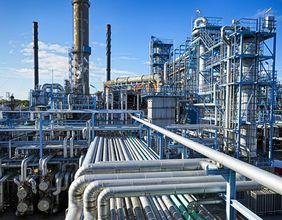
PBF Energy operates a network of refineries across strategically important regions of the United States. These facilities process crude oil into gasoline, diesel, heating fuel, jet fuel, and other petroleum products used throughout the domestic economy.
The companys performance is closely connected to refining margins, commonly influenced by the difference between crude oil costs and the value of finished products. When those margins expand, refiners can generate stronger operating results even without major changes in processing volumes.
Recent enthusiasm around the company appears linked to improving refining economics and expectations for stronger earnings. Seasonal travel demand, fuel inventories, refinery maintenance schedules, and regional supply conditions can all influence this environment.
However, refining remains cyclical. Favorable margins may strengthen quickly, but they can also narrow as production rises, demand changes, or crude oil costs shift. That makes the durability of current conditions more important than a brief period of strength.
Revenue Strength Meets Earnings Pressure
The latest financial update showed that revenue exceeded market expectations, indicating healthy business activity and solid demand across the companys operating network. At the same time, earnings performance remained weaker than anticipated, revealing continued pressure beneath the headline revenue result.
This contrast matters because high revenue does not always translate directly into stronger profitability. Refinery maintenance, operating expenses, feedstock costs, transportation requirements, and unplanned disruptions can affect margins even when sales remain healthy.
The key question is whether recent revenue strength can produce a more consistent earnings recovery. Better refinery utilization and improved cost control could support that transition, while operational interruptions or weaker product margins could delay it.
PBF Energys ability to convert revenue into dependable cash generation will therefore remain central to its valuation. Market confidence may become harder to sustain without visible improvement in underlying profitability.
Energy Operations Shape Future Direction
As an energy stock, PBF Energy offers exposure to the refining side of the petroleum supply chain rather than crude oil production alone. Its results depend on processing efficiency, regional fuel demand, logistics access, and the relationship between input costs and finished-product pricing.
The companys refinery footprint provides geographic diversification across several important fuel markets. This network can create operational flexibility, but it also introduces complexity because each facility faces distinct regional economics, environmental requirements, and maintenance needs.
Reliable operations will be especially important as expectations rise. Refinery outages can quickly reduce output and increase costs, while steady utilization can help the business capture favorable industry conditions.
Capital discipline also remains significant. Refining assets require continuous spending on safety, maintenance, efficiency, and environmental compliance. Careful allocation of resources can support resilience without placing unnecessary pressure on the balance sheet.
Market Expectations Require Strong Execution
PBF Energy (NYSE:PBF), recent market strength suggests growing confidence in the refining outlook, but elevated expectations create a demanding standard. Stronger revenue alone may not be enough if earnings and cash generation fail to improve alongside it.
Future performance will depend on several interconnected factors, including refining margins, fuel demand, crude oil pricing, planned maintenance, operating reliability, and regulatory costs. No single factor will determine the outcome.
The latest coverage places greater attention on valuation rather than changing the companys business model. PBF Energy remains a major independent refiner with strategically located assets and meaningful exposure to domestic fuel markets.
Its next phase will be shaped by execution. Consistent refinery operations and improved profitability could strengthen the current market narrative. Less favorable margins or operational setbacks could expose the gap between recent enthusiasm and fundamental progress.
