
 AUS
AUS
 NZ
NZ
 UK
UK
 CA
CA
 USA
USA
 IND
IND

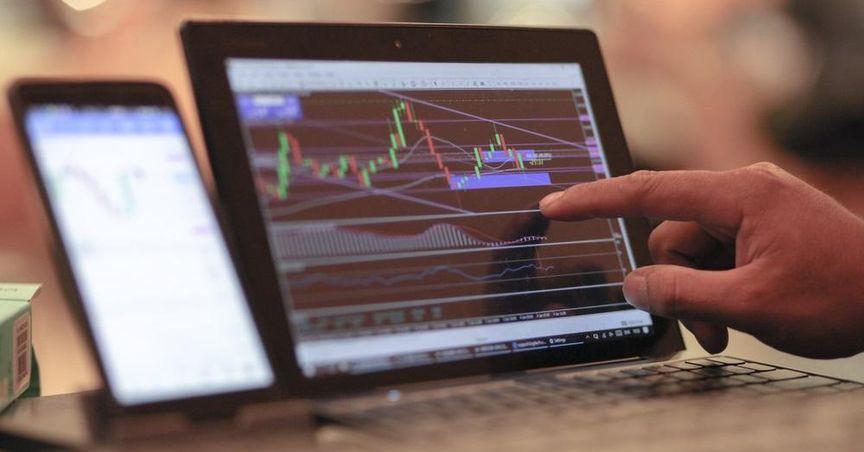





Headlines
- Chevron’s shares experienced a slight price increase during the recent trading session.
- Trading volume on the day was significantly below average compared to previous sessions.
- Several financial institutions updated their numerical estimates in recent research notes.
Sector Overview
Operating within the energy sector, Chevron Co. (NYSE:CVX) is recognized as one of the leading entities involved in oil and gas exploration, production, and related energy operations. The company maintains a significant presence in multiple areas, including upstream production, refining, and the distribution of energy products. Its operations span across numerous global regions, contributing essential resources to the world’s energy supply chain. In addition to traditional oil and gas endeavors, the company has been active in exploring newer technologies and sustainable initiatives. This diversification aligns with broader industry trends, where established entities are expanding their scope to incorporate emerging energy solutions alongside conventional operations. Such developments occur amid evolving regulatory frameworks, shifts in global energy demand, and continuous advancements in technology. Detailed records of operational performance provide clear, factual insights into how such large-scale entities adapt to the multifaceted challenges and opportunities inherent in the energy sector.
Recent Price Movement
In the most recent trading session, share prices recorded a modest upward shift. Trading activity during the day resulted in a small numerical increase from previous closing figures. At one point during the session, the share price reached a level that was slightly above the value recorded at the close. Throughout the day, price fluctuations maintained a relatively narrow range, reflecting the kind of steady behavior often observed among major entities within the energy sector. The numerical records from the session show that the difference between the highest observed price and the final trading value was minimal. Such incremental movements are consistent with the routine fluctuations documented in daily trading records. Observers note that the change, while slight, fits within the expected variability of trading activity where price adjustments occur in a measured manner over the course of a session. The factual data collected during this period provide an accurate snapshot of the share’s performance without extending beyond a straightforward record of numerical change.
Trading Volume Insights
Data from the session reveal that the total trading volume was markedly lower than what is commonly recorded on average. A noticeably reduced number of shares were exchanged compared to the typical daily figures documented over a longer period. This difference in volume serves as an objective measure of the day’s trading activity, where the total count of shares traded fell significantly below the established average. Historical records show that there have been occasions when trading volume deviated from normal levels, and the current figures clearly highlight such a variance. Lower trading volume often correlates with periods of subdued market activity, where fewer transactions contribute to the day’s overall performance. In this case, the numerical discrepancy in volume suggests that fewer market participants engaged actively during the session. The factual volume data stands as a clear indicator of the day’s activity level, providing measurable insight into the dynamics that can emerge in an environment characterized by routine fluctuations and occasional departures from average trading behavior.
Financial Institutions’ Updated Estimates
Recent communications from several well-known financial institutions have documented updates to their numerical estimates for the share’s value. One prominent research firm revised its previously recorded reference value downward by a modest margin on a particular trading day. In a similar manner, another financial institution issued a research note that adjusted its numerical assessment to align more closely with figures recently observed in the market. Additional institutions followed suit, with each updating their recorded numerical values to reflect the latest data. These revisions, which were documented across several sessions, serve as part of standard financial reporting practices. The updated estimates, while differing slightly from earlier recorded figures, fall within the range expected from periodic reviews of trading performance. The modifications in numerical records have been communicated through detailed research notes and serve as part of the historical data that tracks the share’s performance over time. Such updates provide a clear, factual record of current observations, ensuring that historical data remains consistent with the latest documented figures. This process of revising numerical estimates is a routine element in the collection and dissemination of factual trading records, providing a comprehensive view of how numerical values evolve over successive sessions.
Context within the Energy Sector
The recent trading session unfolded against a backdrop of broader dynamics influencing the energy sector. Fluctuations in share prices and trading volumes are commonplace among major companies engaged in traditional oil and gas production. Various external factors—ranging from shifts in global supply and demand to changes in international policies and technological innovation—contribute to a complex environment in which energy companies operate. The recorded numerical changes in share price and the observed trading volume provide a factual account of activity that is consistent with broader industry trends. Worldwide developments, including changes in economic conditions and adjustments to regulatory frameworks, can have a measurable impact on trading figures. Within this context, the recorded data from the recent session can be viewed as one of many objective data points that together create a comprehensive record of activity in the energy market. Observations of moderate price movement coupled with lower trading volume are in line with trends noted among several industry peers. The broader sector continues to evolve, with shifts in global energy demand and supply dynamics playing an essential role in shaping trading environments. Detailed records such as these offer insight into the ongoing operational status of major energy companies and help frame the company’s performance within the larger narrative of the energy sector’s continuous evolution.
