
 AUS
AUS
 NZ
NZ
 UK
UK
 CA
CA
 USA
USA
 IND
IND






Highlights
- Halliburton Company reached a fresh trading milestone
- Operational breadth spans drilling through production services
- Performance updates align with broader s&p 500 index discussions
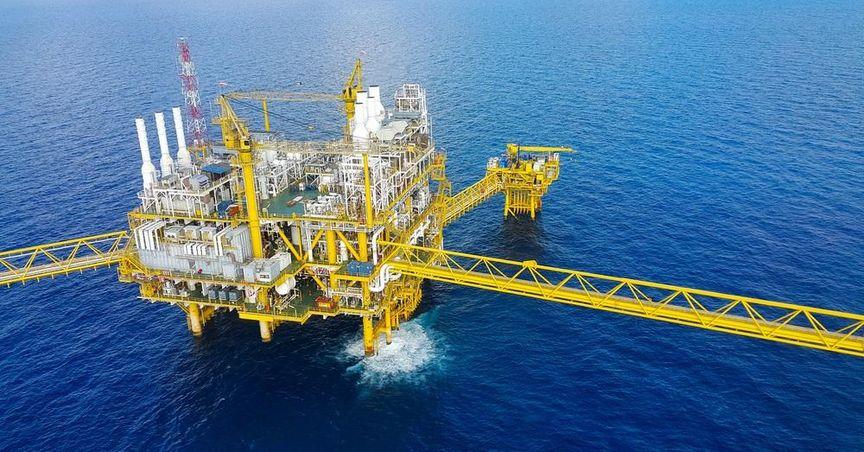
Halliburton Company (NYSE:HAL) recently marked a new trading high, drawing attention within the energy services segment of the s&p 500 index. As one of the largest oilfield services providers globally, Halliburton delivers products and integrated solutions that support the full lifecycle of oil and gas reservoirs. Headquartered in Houston, Texas, the company has evolved from its origins as a cementing enterprise into a diversified energy services organization serving upstream operators across international markets. This development highlights Halliburton’s operational footprint within the broader NYSE landscape and its alignment with energy sector momentum.
How Halliburton Supports Energy Operations?
Halliburton Company provides comprehensive services that assist energy producers from exploration through well abandonment. Its operations are structured around drilling and evaluation, well construction and completion, production enhancement, and well intervention. These integrated capabilities enable energy operators to manage complex reservoir environments efficiently.
The company’s drilling and evaluation segment focuses on technologies that gather geological data and optimize well placement. Its well construction and completion division delivers cementing, pressure pumping, and hydraulic fracturing services designed to strengthen well integrity. Production enhancement and intervention offerings aim to maximize output while maintaining operational efficiency.
Halliburton’s service model is built around technical expertise and engineering innovation. By combining advanced equipment with data-driven methodologies, the company positions itself as a critical partner to oil and gas operators seeking streamlined operations across diverse geographies.
What Drives Halliburton Market Momentum?
Recent trading activity saw Halliburton Company reach a fresh annual high before moderating later in the session. Market participation reflected increased engagement within the energy sector, supported by sector-wide developments and performance updates.
Several brokerage firms revised their outlooks on Halliburton during the reporting period, adjusting price objectives and maintaining positive ratings. These updates contributed to elevated visibility around the company’s performance metrics and operational direction.
Trading volume during the session indicated heightened activity relative to prior days. Movement within the broader s&p 500 fund environment also contextualized the energy sector’s participation in equity market dynamics, reinforcing Halliburton’s position within a diversified group of large-cap companies.
How Financial Structure Supports Stability?
Halliburton Company maintains a financial structure designed to balance operational flexibility with disciplined capital management. Its debt-to-equity ratio reflects moderate leverage, while liquidity measures such as the current ratio and quick ratio indicate the capacity to manage short-term obligations effectively.
The company’s moving averages illustrate a steady upward trajectory over recent months. These averages serve as reference points for understanding medium- and longer-term trading patterns without implying directional conclusions.
Operational efficiency remains central to Halliburton’s financial presentation. The company reported per-share performance above consensus expectations during the most recent quarter, reflecting execution across its service segments. Margin levels and return metrics further highlight management’s focus on operational discipline.
Which Services Anchor Revenue Streams?
Halliburton Company’s core service lines contribute to its diversified income profile. Drilling services encompass directional drilling systems and logging technologies that support precise reservoir mapping. Completion services include cementing and stimulation activities that prepare wells for production phases.
Production enhancement solutions focus on optimizing reservoir output through intervention tools and artificial lift systems. By offering end-to-end solutions, Halliburton integrates technical expertise with operational scale.
The company’s activities span onshore and offshore projects, addressing varying geological conditions and operational requirements. This diversified service base reduces reliance on any single segment and strengthens resilience across market cycles.
How Institutional Participation Shapes Ownership?
Institutional entities account for a substantial portion of Halliburton Company (NYSE:HAL) share ownership. Asset managers, retirement funds, and wealth management firms have adjusted positions in the company during recent quarters.
Additions to and reductions of stakes reflect portfolio rebalancing decisions across institutional participants. While ownership changes may influence short-term liquidity dynamics, they also signal continued institutional engagement with the energy services sector. Participation by established financial institutions underscores Halliburton’s role as a large-cap energy provider within global equity markets.
What Role Does Innovation Play?
Innovation remains central to Halliburton Company’s operational strategy. The company is involved in research and engineering to develop technologies that improve drilling accuracy, reservoir characterization, and production efficiency.
Digital platforms and automation tools are integrated into field operations to enhance performance monitoring and reduce downtime. Advanced data analytics support decision-making processes that optimize resource extraction. Through continuous technological advancement, Halliburton strengthens its competitive position in a sector characterized by operational complexity and evolving environmental considerations.
How Halliburton Aligns With Energy Trends?
Energy markets continue to emphasize efficiency, sustainability, and production optimization. Halliburton Company’s service offerings are aligned with these priorities, focusing on technologies that reduce operational footprint and improve well productivity.
The company supports energy operators navigating regulatory frameworks and environmental standards. Its engineering solutions are designed to enhance safety while minimizing environmental impact. Within broader market discussions that include the s&p 500 chart, energy services companies like Halliburton contribute to sector diversification and performance variability. These contextual references situate Halliburton within the larger equity ecosystem without implying correlation.
