
 AUS
AUS
 NZ
NZ
 UK
UK
 CA
CA
 USA
USA
 IND
IND





Highlights
- Research firm lifts rating on GE Vernova amid energy transition expansion
- Institutional funds expand positions across diversified energy technology operations
- Turbine, grid, and renewable platforms shape evolving electricity infrastructure demand
The global power and energy technology sector continues evolving as utilities and infrastructure operators expand electricity generation and transmission capacity. Companies operating across turbines, renewable systems.
GE Vernova LLC (NYSE:GEV) is an energy technology company whose turbines, renewable systems, and grid equipment support electricity networks across North America and other global regions. The company provides equipment and services for conventional power generation, renewable energy platforms, and grid infrastructure, while also remaining part of broader market discussions linked to S&P 500 futures.
Growing electricity consumption driven by digital infrastructure, electrification trends, and industrial expansion has increased attention on companies capable of supporting modern grid development. Gas turbines, wind systems, hydro technologies, and grid management platforms play a central role in maintaining stable energy supply while integrating renewable resources. Within this environment, GE Vernova’s diversified portfolio positions the company across multiple segments of the evolving power ecosystem.
Energy Sector Transformation Trends
Energy infrastructure worldwide is undergoing broad transformation as utilities expand power generation capacity while modernizing grid networks. Electricity demand from digital data infrastructure, manufacturing electrification, and transportation systems has placed new emphasis on grid resilience and generation flexibility.
Companies operating across turbine manufacturing, wind development platforms, and power transmission technologies provide essential components supporting these evolving networks. Equipment providers deliver large turbines, advanced generators, grid management software, and renewable installations that allow electricity producers to balance generation reliability with environmental goals.
In this environment, research organizations monitor companies engaged in power technology manufacturing and energy infrastructure services. Coverage recently expanded surrounding following a rating change issued by Rothschild and Co Redburn. The firm revised its stance on the company after previously assigning a more cautious assessment.
The revised rating reflects broader interest in companies involved in electricity infrastructure manufacturing and grid development. Firms producing turbines and transmission technologies increasingly draw attention amid growing electricity demand linked to artificial intelligence infrastructure and industrial electrification initiatives.
Research Firm Rating Shift
Rothschild and Co Redburn issued a revised rating on GE Vernova, adjusting its earlier stance toward a more favourable view of the company’s operations within the power technology landscape. The firm’s update came within a broader research note examining energy equipment providers operating across global electricity markets.
The report highlighted the company’s involvement in turbine manufacturing, renewable power systems, and grid technologies. These segments collectively form a platform capable of supporting electricity generation across conventional and renewable resources.
Other research organizations have also issued commentary related to GE Vernova over recent months. Several firms expressed constructive views regarding the company’s participation in energy infrastructure projects and grid modernization efforts.
Coverage from multiple organizations reflects growing attention on companies positioned within electricity infrastructure manufacturing. As electricity networks evolve to support renewable integration and digital energy management systems, equipment providers occupy a central role in enabling large scale power generation and grid reliability.
Electric Infrastructure Expansion
Electricity systems across North America, Europe, and Asia are experiencing rapid infrastructure expansion as governments and utilities pursue modernization initiatives. Upgrading aging transmission lines and installing advanced grid management systems remain critical steps in supporting energy security and renewable integration.
Power generation technology providers contribute essential hardware used across these networks. Gas turbines, steam turbines, generators, and grid control platforms support stable electricity output from both traditional and renewable sources.
GE Vernova operates across these areas through multiple business segments delivering turbine manufacturing, wind energy systems, hydro equipment, and electrical grid technologies. This combination allows the company to participate in projects spanning large utility scale power stations to renewable energy installations.
Grid modernization projects often require sophisticated equipment capable of balancing electricity flow across diverse generation sources. As wind and solar capacity expands, advanced transmission equipment helps maintain stability within electricity networks.
Power Technology Portfolio Scope
GE Vernova operates as an energy focused enterprise created from the separation of energy related businesses previously housed within General Electric. The organization now functions independently while maintaining legacy capabilities developed across decades of turbine engineering and power equipment manufacturing.
The company designs and manufactures gas turbines, steam turbines, and generators used in large scale electricity production facilities. These systems power conventional power plants and industrial facilities requiring reliable electricity generation.
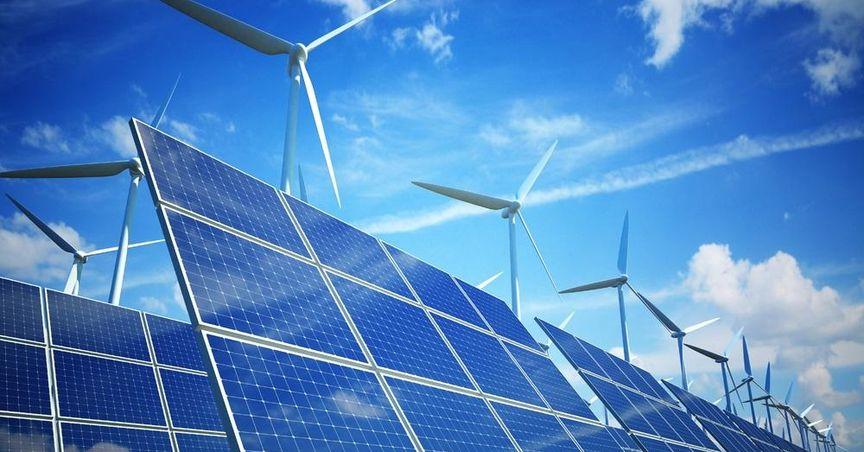
Beyond conventional power systems, GE Vernova also develops renewable energy technologies including onshore wind platforms, offshore wind turbines, and hydroelectric equipment. Renewable installations require extensive engineering expertise due to the scale and complexity of modern wind and hydro projects.
Grid technologies form another core component of the company’s operations. Transmission equipment, grid control systems, and electrical infrastructure hardware enable electricity generated by turbines and renewable installations to reach population centres and industrial facilities.
Wind And Hydro Platforms
Renewable power technologies represent an important segment of GE Vernova’s operational structure. Wind energy platforms developed by the company operate across both onshore and offshore environments where large turbines convert wind energy into electricity.
Wind farms require extensive engineering coordination, including turbine installation, electrical infrastructure construction, and integration with transmission networks. Offshore wind installations introduce additional complexity due to marine environments and large scale turbine structures.
Hydroelectric solutions also remain part of the company’s renewable portfolio. Hydropower facilities utilize water flow to generate electricity while supporting long term energy storage capabilities in certain regions.
Renewable installations increasingly integrate with broader grid modernization initiatives. As wind and hydro capacity expands, grid technologies help balance electricity supply from variable generation sources.
Grid Systems And Controls
Electric transmission networks require advanced monitoring systems capable of regulating electricity flow across large geographic areas. Grid technologies developed by GE Vernova include transformers, electrical equipment, and digital management platforms.
These systems help utilities maintain stability within complex power networks that combine renewable installations with conventional power plants. Digital grid management tools provide operators with data visibility regarding electricity generation and demand.
Modern electricity infrastructure depends on reliable transmission equipment capable of handling large volumes of power moving across regional networks. Transmission systems also facilitate cross border electricity trade between neighbouring regions.
Companies supplying advanced grid technology play a crucial role in supporting reliable electricity delivery as power systems expand to accommodate growing demand from data infrastructure and electrified transport networks.
Global Energy Infrastructure Demand
Demand for energy equipment continues expanding as electricity consumption grows across developed and emerging economies. Digital infrastructure facilities, manufacturing operations, and electric transportation systems require stable electricity supply supported by modern power infrastructure.
Energy technology providers such as (NYSE:GEV) contribute equipment used across generation, transmission, and renewable installations. Their technologies form essential building blocks enabling utilities to maintain electricity reliability while expanding renewable energy capacity.
Infrastructure development across electricity systems also connects to broader financial markets monitored through major indices such as the S&P 500 and derivatives markets including s&p 500 futures. Companies involved in industrial infrastructure frequently interact with these broader economic trends due to the scale of projects associated with energy development.
Within this landscape, operates across turbine manufacturing, renewable systems, and grid equipment used by utilities and industrial electricity producers.
Institutional Market Participation
Large asset managers frequently maintain diversified holdings within energy infrastructure companies due to their involvement in long duration industrial projects. Electricity generation equipment manufacturers often supply systems used for decades within power stations and grid networks.
Institutional participation surrounding illustrates continued engagement with companies operating across turbine engineering and electrical infrastructure manufacturing. Equipment providers serving utility scale projects often maintain extensive service operations supporting installed equipment.
Long term service agreements connected to turbine installations contribute to ongoing operational activity within the power technology sector. Maintenance services ensure turbines and generators operate efficiently across extended operational lifecycles.
The company’s participation across conventional power generation, renewable installations, and transmission equipment provides exposure to multiple segments of the global energy infrastructure landscape.
Corporate Structure Development
The creation of GE Vernova as an independent enterprise represented a structural shift within the broader industrial sector. The separation allowed energy focused operations to operate under a dedicated corporate structure centred on power generation and renewable technologies.
The company’s integrated portfolio reflects legacy engineering capabilities developed through decades of turbine manufacturing and electrical equipment production. Combining these capabilities within a single corporate platform enables coordination across multiple segments of the power technology ecosystem.
Engineering teams within the organization continue developing turbine designs, wind energy platforms, and electrical grid solutions intended for utility scale infrastructure projects. These technologies contribute to electricity generation capacity used across global energy networks.
Operations linked to (NYSE:GEV) therefore span multiple layers of the electricity supply chain including generation equipment manufacturing, renewable energy installations, and grid infrastructure systems.
Industrial Engineering Capabilities
Engineering expertise remains fundamental within the power technology sector due to the scale and complexity of energy infrastructure projects. Turbine design, electrical engineering, and renewable platform development require highly specialized technical capabilities.
Gas turbines represent one of the most advanced pieces of equipment used within electricity generation. These machines operate under extreme temperature and pressure conditions while delivering reliable electricity output.
Wind turbines and hydroelectric equipment also involve complex engineering challenges related to aerodynamics, materials science, and structural durability. Large wind installations must withstand harsh environmental conditions while maintaining operational efficiency.
The company’s engineering capabilities extend across these technologies through teams engaged in turbine manufacturing, renewable system design, and electrical grid equipment development.
Energy Technology Manufacturing
Manufacturing facilities producing turbine components, generators, and electrical equipment operate within highly specialized industrial environments. Precision engineering and advanced materials play a critical role in ensuring equipment reliability across decades of operation.
Large turbines require intricate assembly processes involving heavy industrial components and complex electronic control systems. Manufacturing operations often occur across multiple global facilities supplying equipment to power projects worldwide.
Renewable energy systems such as wind turbines also require large scale manufacturing capacity capable of producing turbine blades, nacelles, and supporting infrastructure components.
Through these operations, (NYSE:GEV) remains involved in manufacturing equipment used across electricity generation facilities, renewable installations, and grid networks.
