
 AUS
AUS
 NZ
NZ
 UK
UK
 CA
CA
 USA
USA
 IND
IND






Highlights
- Exxon Mobil operates across global energy value chain
- Integrated petroleum and chemical activities define operations
- Energy production systems support industrial supply networks
Exxon Mobil Corporation (NYSE:XOM) represents one of the most established integrated energy companies operating within global petroleum and chemical supply systems. The organization participates across exploration, production, refining, distribution, and petrochemical manufacturing activities that form the backbone of modern energy infrastructure. Its operational scale places the company among major corporations frequently associated with broader market benchmarks such as the S&P 500 Index, which reflects activity across diverse sectors including energy, technology, healthcare, and manufacturing. Through upstream exploration, midstream transportation networks, downstream refining facilities, and chemical manufacturing operations, Exxon Mobil maintains an extensive presence across the global energy value chain while supplying fuels, lubricants, and chemical products used in industrial, commercial, and transportation sectors.
Integrated Energy Operations Across Supply Chain
Exxon Mobil Corporation operates through a vertically integrated energy model that connects exploration activities with downstream fuel distribution and chemical production. The upstream segment focuses on locating and extracting crude oil and natural gas resources through exploration programs and development projects designed to support energy supply systems. Midstream infrastructure includes transportation pipelines, shipping networks, and storage facilities that move energy resources from extraction sites toward refining and processing centers. Downstream operations convert crude resources into refined fuels, lubricants, and industrial materials used in transportation systems and manufacturing industries. Chemical manufacturing operations further transform petroleum-based inputs into plastics, polymers, and industrial chemicals used across consumer products, construction materials, and packaging solutions. This integrated operational structure allows Exxon Mobil to maintain coordination across multiple segments of the energy supply chain.
Global Energy Production And Resource Development
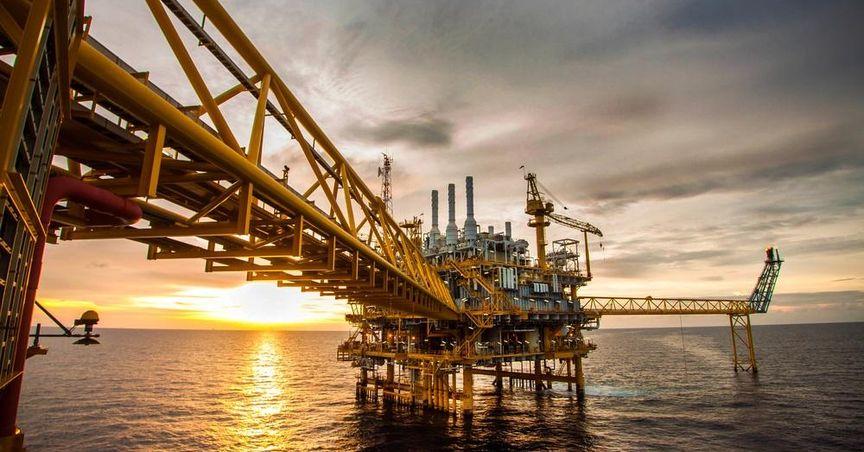
Energy production remains a central activity within Exxon Mobil’s operational framework. The company participates in exploration and development projects designed to identify hydrocarbon resources and support long-term production capacity. Exploration programs involve geological research, seismic surveys, and drilling operations aimed at locating new energy reserves beneath land and offshore regions. Development activities then establish extraction infrastructure capable of bringing these resources into production systems that support global fuel supply networks. Natural gas operations also contribute to energy production through extraction, processing, and transportation activities that deliver gas resources for power generation, industrial processes, and heating systems. Through coordinated exploration and production activities, Exxon Mobil contributes to energy supply networks that support transportation systems, electricity generation, and industrial manufacturing across global markets.
Refining Processes Converting Energy Resources
Refining operations represent a critical stage within the petroleum value chain. Crude oil extracted through exploration and production activities enters refining facilities where complex industrial processes transform raw hydrocarbons into usable fuels and chemical feedstocks. Exxon Mobil operates refining systems designed to produce gasoline, diesel fuel, aviation fuel, marine fuels, and industrial lubricants used across transportation and manufacturing sectors. Refining processes involve distillation, catalytic conversion, and chemical treatment methods that separate crude oil components and convert them into refined products. These facilities operate alongside distribution networks that transport refined fuels toward wholesale distributors, commercial fleets, and retail fuel stations operating under brands such as Exxon, Mobil, and Esso. Through refining operations, the company converts natural resources into finished products that power transportation systems and industrial machinery worldwide.
Chemical Manufacturing Supporting Industrial Production
Chemical manufacturing forms another major operational pillar within Exxon Mobil’s corporate structure. Petrochemical facilities transform hydrocarbon feedstocks into polymers, synthetic materials, and chemical compounds used across numerous industries. These products serve as essential components in manufacturing processes for packaging materials, construction supplies, automotive components, medical equipment, and consumer goods. Polymer production allows the company to manufacture plastics and resins used in packaging and industrial fabrication, while chemical intermediates contribute to coatings, adhesives, and synthetic fibers. Petrochemical products often support industries ranging from electronics manufacturing to healthcare equipment production. Through chemical manufacturing capabilities, Exxon Mobil participates in supply chains that extend beyond energy distribution into broader industrial production systems.
Fuel Distribution And Brand Networks
Energy distribution networks ensure that refined fuels reach commercial markets and consumers. Exxon Mobil maintains extensive distribution infrastructure that includes pipelines, shipping routes, and fuel storage facilities supporting product transportation across supply systems. Fuel distribution networks connect refining facilities with wholesale distributors, transportation companies, and retail fueling stations. The company markets fuels and lubricants under well-recognized brands including Exxon, Mobil, and Esso. These brand networks supply gasoline and diesel fuels to transportation sectors while providing lubricants used in automotive engines, industrial equipment, and aviation systems. Mobil motor oil represents a widely recognized lubricant product used by vehicle manufacturers and consumers seeking engine performance protection. Through established distribution systems and branded retail networks, Exxon Mobil ensures refined products reach markets where transportation and industrial sectors depend on reliable fuel supplies.
Energy Infrastructure Within Market Benchmarks
Large energy corporations frequently appear within financial market benchmarks that track major publicly traded companies across diverse industries. Exxon Mobil operates within this landscape as a key participant in global energy production and fuel supply networks. Energy companies often contribute to broader market activity represented in financial indicators such as the S&P 500 fund, which includes major corporations from sectors ranging from energy and manufacturing to healthcare and technology. Companies operating within the energy sector influence economic systems through production of fuels, petrochemicals, and industrial materials required across modern economies. Energy infrastructure maintained by firms like Exxon Mobil supports transportation systems, manufacturing industries, aviation networks, and global logistics operations that depend on reliable fuel availability.
Operational Efficiency Across Energy Systems
Efficient management of energy production and refining operations requires coordinated logistical systems and advanced industrial technologies. Exxon Mobil employs engineering expertise and technological systems designed to improve operational reliability across extraction facilities, refining plants, and chemical manufacturing complexes. Industrial monitoring systems track production processes while maintenance programs ensure equipment reliability across drilling platforms, pipelines, and processing plants. Operational coordination across upstream, midstream, and downstream segments allows the company to maintain consistent production flows from resource extraction to final product distribution. Efficiency improvements also include optimization of refining processes and chemical production technologies designed to maximize output from raw hydrocarbon resources while maintaining stable supply across distribution networks supporting commercial and industrial energy demand.
Industrial Energy Products Supporting Economy
Energy and chemical products produced by Exxon Mobil Corporation (NYSE:XOM) contribute to numerous sectors within global economic systems. Transportation fuels power automobiles, commercial trucking fleets, aviation aircraft, and maritime vessels responsible for moving goods and passengers across international trade routes. Industrial lubricants support manufacturing equipment used in factories producing machinery, electronics, and construction materials. Petrochemical products derived from hydrocarbon feedstocks contribute to the creation of plastics, polymers, synthetic fibers, and industrial materials used in construction, packaging, and consumer goods manufacturing. These products form foundational components of industrial supply chains supporting infrastructure development, transportation systems, and manufacturing operations that underpin economic activity across global markets.
