
 AUS
AUS
 NZ
NZ
 UK
UK
 CA
CA
 USA
USA
 IND
IND





Highlights
- Exxon Mobil (NYSE:XOM) shaping energy markets alongside s&p 500 fund
- Detailed focus on Exxon Mobil's upstream and downstream activities
- Exxon Mobil’s influence across s&p 500 chart in energy sectors
Exxon Mobil (NYSE:XOM) stands as one of the most influential and diversified energy companies in the world. With operations spanning the exploration and production of oil and gas, as well as the refining and marketing of energy products, the company plays a central role in global energy markets. Exxon Mobil’s reach extends across multiple segments, including upstream exploration, downstream refining, and specialty products. As a major component of the global energy landscape, Exxon Mobil is regularly discussed in market contexts that include s&p 500 fund, reflecting its prominence among the top publicly traded energy firms. Its integrated approach to energy production ensures it remains an industry leader, contributing to global economic stability.
How Does Exxon Mobil Manage Upstream Operations?
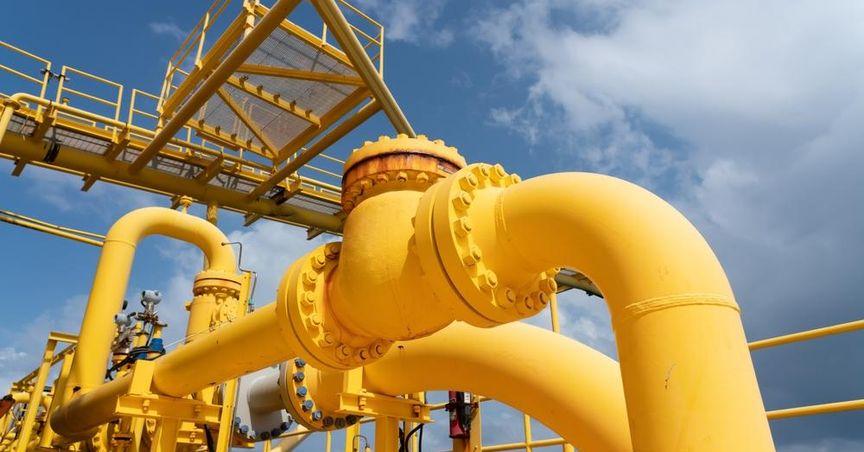
Exxon Mobil’s upstream segment is focused on the exploration, development, and production of crude oil and natural gas. The company operates extensive exploration activities in various oil and gas fields worldwide. This segment is responsible for discovering and extracting resources from deepwater oil reserves, shale formations, and natural gas fields. Exxon Mobil’s investments in advanced technologies ensure that these resources are extracted efficiently and sustainably. This upstream sector has a significant role in the company’s ability to meet the world’s growing energy demands. In broader energy discussions, Exxon Mobil’s upstream activities are often evaluated alongside the s&p 500 index, as energy extraction remains a central factor in market valuations.
What Role Does Exxon Mobil Play in Refining?
Exxon Mobil’s downstream segment focuses on the refining, distribution, and marketing of petroleum products. The company operates a large number of refineries that process crude oil into products such as gasoline, diesel, jet fuel, and petrochemicals. Exxon Mobil’s refining capacity plays an essential role in meeting global demand for energy products, supporting industries ranging from transportation to manufacturing. The company’s extensive refining operations help to stabilise energy supply chains across diverse markets. This segment’s contribution is significant in conversations surrounding s&p 500 chart, as the refining sector is a critical part of the broader energy market, influencing supply and pricing across the globe.
What Is Exxon Mobil’s Role in Specialty Products?
In addition to its oil, gas, and refining operations, Exxon Mobil also plays a key role in producing specialty products used in a variety of industries. The company manufactures chemicals and other materials used in the production of consumer goods, industrial products, and even pharmaceuticals. Exxon Mobil’s specialty products are integral to the development of numerous sectors, from packaging and construction to electronics and automotive manufacturing. The company’s diverse portfolio positions it as a leader in several industrial markets, contributing to economic growth. Exxon Mobil’s specialty products division is often discussed in broader market contexts alongside s&p 500 index fund, as its impact is felt across a wide array of industries.
How Does Exxon Mobil Contribute to Global Energy Security?
Exxon Mobil plays a crucial role in ensuring global energy security by providing reliable access to oil and gas resources. The company’s operations span continents, with exploration and production activities in many regions. Exxon Mobil’s upstream and downstream operations are integral to maintaining a stable supply of energy products to meet the needs of consumers, industries, and governments worldwide. The company’s influence extends beyond energy production, as it works to ensure that the global infrastructure needed for energy transport and storage is robust and secure. Discussions about energy security often highlight the role of Exxon Mobil, particularly in the context of s&p 500 futures, where its stability and supply-chain capabilities help shape global market confidence.
How Does Exxon Mobil Navigate Regulatory Environments?
Operating in a highly regulated industry, Exxon Mobil must comply with a wide range of governmental and environmental regulations. The company must adhere to rules concerning drilling, emissions, waste management, and worker safety, among other requirements. Exxon Mobil’s ability to navigate these complex regulatory environments is crucial to its success, as non-compliance can result in financial penalties or operational delays. The company works closely with regulatory bodies to ensure that its operations meet local, national, and international standards. As a major player in the energy industry, Exxon Mobil’s compliance efforts are often discussed in broader market contexts that include s&p 500 index fund, where regulatory challenges and opportunities shape industry-wide strategies.
