
 AUS
AUS
 NZ
NZ
 UK
UK
 CA
CA
 USA
USA
 IND
IND






Highlights
- Midstream energy firm manages gas gathering and processing systems
- Broad institutional reflects steady participation across market participants
- Operational footprint centered in Delaware Basin serving exploration companies
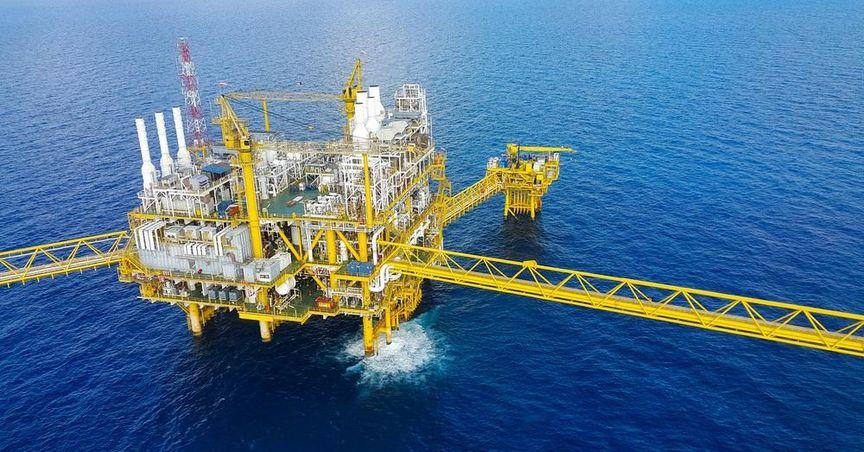
DT Midstream, Inc operates within the midstream energy segment, focusing on infrastructure that supports hydrocarbon transportation and processing. The company plays a critical role between upstream exploration activities.
DT Midstream, Inc. (NYSE:DTM) operates in the midstream energy sector, supporting downstream distribution through natural gas gathering, processing, and related services. Its integrated network helps move hydrocarbons efficiently from production areas to end markets, strengthening its role in the wider energy landscape connected with the nyse composite today market environment.
Broker Ratings Overview
Shares of (NYSE:DTM) have drawn attention from multiple research firms that track developments across the energy infrastructure space. Coverage from several firms reflects a mix of perspectives, with varying stances assigned based on operational performance and sector dynamics. The distribution of these views indicates a balanced outlook shaped by both cautious sentiment and constructive expectations tied to infrastructure demand.
Across coverage reports, a portion of firms have assigned a sell stance, while several have maintained neutral perspectives. A larger group has expressed positive views, highlighting operational strengths and stable demand for midstream services. This distribution underscores the diverse interpretations of performance metrics and broader energy trends.
The collective consensus derived from these firms illustrates a midpoint view shaped by multiple contributing factors. These include revenue consistency, infrastructure expansion, and exposure to key production regions. Market participants often look at such aggregated views as a reflection of prevailing sentiment across the energy infrastructure landscape.
Institutional Trends
Institutional participation remains a defining feature for (NYSE:DTM), with a substantial portion of shares held by large entities. This level of participation often reflects confidence in the company’s operational model and its positioning within the energy value chain.
Recent updates indicate incremental adjustments by various firms, with some increasing their exposure through additional share accumulation. These adjustments are generally modest, reflecting steady engagement rather than abrupt shifts in positioning. Such movements highlight ongoing monitoring of performance and alignment with broader portfolio strategies.
Firms involved in asset management and advisory services continue to maintain positions in the company, contributing to the overall structure. This widespread participation underscores the relevance of midstream infrastructure within diversified portfolios tied to the nyse composite index.
Executive Share Activity
Recent activity involving company executives provides additional context regarding internal engagement with equity holdings. A senior financial executive acquired shares in a transaction that increased their overall stake. This adjustment represents a measured expansion of personal holdings aligned with corporate involvement.
Following this transaction, the executive’s share count reflects a notable level of relative to prior positioning. Such activity is often disclosed through regulatory filings, ensuring transparency for market participants tracking corporate governance developments.
By company insiders remains a relatively small portion of total shares, indicating that the majority of equity remains distributed among institutional and public holders. This structure is common within large infrastructure-focused entities operating across established energy markets.
Financial Performance Metrics
The financial profile of DT Midstream reflects steady operational performance supported by infrastructure-based revenue streams. The company maintains a balanced financial structure, with liquidity ratios indicating the ability to meet short-term obligations effectively.
Leverage metrics suggest a moderate approach to capital structure, aligning with industry norms for midstream operators that require significant infrastructure investment. These metrics play a key role in shaping perceptions of operational stability within the broader nyse composite today landscape.
Earnings performance in the latest reporting period reflected a slight deviation from consensus expectations. While revenue figures remained close to projected levels, earnings per share came in marginally below estimates. Despite this variance, the company demonstrated consistent margins supported by its integrated operations.
Return on equity and net margin figures highlight the efficiency of its business model, with strong contributions from core activities such as gas processing and water handling services. These metrics provide insight into the company’s ability to generate value from its infrastructure assets.
Operational Footprint Details
DT Midstream’s operational footprint is concentrated in a prominent energy-producing region known for its hydrocarbon output. The Delaware Basin, located in West Texas and southeastern New Mexico, serves as the central hub for the company’s activities.
Within this region, the company supports exploration and production entities by providing essential services that enable resource extraction and transportation. These services include gathering pipelines, processing facilities, and water management systems that are critical to efficient operations.
The integration of these services allows seamless handling of hydrocarbons from wellhead to market. This approach enhances efficiency and supports consistent throughput across its network. The strategic positioning within a high-activity basin reinforces the company’s relevance within the energy infrastructure sector.
Infrastructure Service Portfolio
The company’s service portfolio encompasses a range of midstream functions designed to support upstream producers. Natural gas gathering forms a core component, involving the collection of raw gas from production sites through an extensive pipeline network.
Processing capabilities include cryogenic systems that separate natural gas liquids from raw gas streams. This step is essential for preparing hydrocarbons for transportation and distribution. The extracted liquids are further handled through fractionation processes, enabling efficient separation into usable components.
Water management services represent another critical aspect of operations. Produced water from drilling activities requires treatment and handling, and the company provides infrastructure to manage this process effectively. These services contribute to operational continuity for exploration companies operating in the region.
Market Valuation Context
The valuation profile of (NYSE:DTM) reflects its standing within the midstream energy segment. Market capitalization levels position the company among established infrastructure providers with significant asset bases.
Price-to-earnings and growth-related metrics indicate how the company is evaluated relative to its earnings trajectory and expansion prospects. These metrics are often compared against industry peers to assess relative positioning within the sector.
Beta values suggest a moderate level of volatility compared to broader market indices, indicating that the company’s share movement tends to be less reactive than more cyclical segments. This characteristic is often associated with infrastructure-focused entities that benefit from stable demand patterns.
Earnings Report Overview
The latest earnings announcement provided insight into operational performance over the reporting period. Revenue figures aligned closely with expectations, reflecting consistent throughput across the company’s infrastructure network.
Earnings per share showed a slight shortfall relative to consensus projections, highlighting the impact of operational variables during the period. Despite this, overall performance remained steady, supported by strong margins and efficient cost management.
Comparison with prior periods indicates growth in earnings, demonstrating the company’s ability to expand its operational base and enhance output. This trend underscores the role of infrastructure expansion and service integration in driving performance.
Sector Position Dynamics
DT Midstream continues to operate within a competitive landscape shaped by evolving energy demand and infrastructure requirements. The midstream segment serves as a critical link within the energy value chain, connecting production with distribution.
Companies within this segment benefit from long-term contracts and consistent demand for transportation and processing services. This dynamic contributes to stable revenue streams and reduced exposure to direct commodity price fluctuations.
The company’s presence within a high-activity basin further strengthens its position, allowing it to capture volume growth associated with increased production. This strategic alignment supports its ongoing relevance within the nyse composite framework.
Liquidity Position Analysis
Liquidity metrics highlight the company’s capacity to manage short-term obligations effectively. Current and quick ratios indicate sufficient resources to cover liabilities, supporting operational continuity.
These metrics are particularly important for infrastructure-focused entities, where consistent cash flow from operations plays a key role in maintaining financial stability. The company’s ratios reflect a balanced approach to liquidity management.
Efficient working capital management ensures that operational requirements are met without disruption. This aspect contributes to overall financial resilience within the midstream sector.
Regional Operations Overview
The Delaware Basin serves as the central hub for DT Midstream’s operations, offering access to one of the most productive hydrocarbon regions. The company’s infrastructure network is designed to support high levels of activity within this basin.
Pipeline systems facilitate the movement of natural gas from production sites to processing facilities. These systems are integrated with processing units that prepare gas for transportation to end markets.
The proximity to production areas enhances efficiency and reduces transportation complexities. This strategic positioning supports consistent throughput and operational reliability.
Service Integration Approach
Integration across service lines enables the company to provide comprehensive solutions to its customers. By combining gathering, processing, and water management services, DT Midstream delivers a seamless operational experience.
This integrated model enhances efficiency and reduces the need for multiple service providers. Customers benefit from streamlined operations and coordinated infrastructure support.
The approach also allows the company to optimize resource utilization and maintain consistent service quality across its network. This contributes to long-term relationships with exploration and production entities.
Equity Market Engagement
Shares of (NYSE:DTM) are actively traded within the equity market, reflecting ongoing engagement from various participants. The company’s inclusion in discussions related to the nyse composite highlights its relevance within broader market indices.
Trading activity is influenced by factors such as earnings performance, sector trends, and infrastructure developments. These elements contribute to fluctuations in share movement over time.
Market engagement is further supported by institutional participation, which adds depth and stability to trading activity. This dynamic ensures continuous interaction within the equity landscape.
Operational Efficiency Factors
Operational efficiency is a key driver of performance for DT Midstream. The company’s infrastructure is designed to maximize throughput while maintaining cost control.
Advanced processing systems enable efficient separation and handling of hydrocarbons, contributing to consistent output. These systems are supported by pipeline networks that ensure reliable transportation.
Efficiency is further enhanced through integrated operations, allowing seamless coordination across different service lines. This approach supports stable performance within the midstream sector.
Strategic Basin Presence
The company’s focus on the Delaware Basin aligns with its strategy to operate within high-activity regions. This basin offers significant production volumes, providing opportunities for infrastructure utilization.
By establishing a strong presence in this region, DT Midstream ensures access to consistent demand for its services. This positioning supports long-term operational stability.
The basin’s importance within the energy landscape reinforces the company’s role as a key infrastructure provider. This alignment contributes to its ongoing relevance within the sector.
