
 AUS
AUS
 NZ
NZ
 UK
UK
 CA
CA
 USA
USA
 IND
IND




_06_16_2026_01_38_04_856127.jpg)

Highlights
- Integrated energy company engaged in refining, logistics, and marketing of petroleum products
- Recent market commentary reflects varied views alongside steady operational activity
- Business model spans upstream sourcing, midstream transport, and downstream distribution
HF Sinclair featured in the russell 1000 shows integrated refining operations, varied market commentary, and evolving energy demand shaping its role within the broader sector.
The energy sector remains a central component of broad market indices such as the russell 1000, where large-cap companies contribute to industrial and economic activity. HF Sinclair operates within this space as a diversified energy manufacturer, focusing on refining crude inputs into usable fuels and distributing them across domestic markets. The company’s presence within this segment reflects ongoing demand for transportation fuels and specialty petroleum products.
Business Structure and Operations
HF Sinclair (NYSE:DINO) maintains an integrated structure that connects sourcing, refining, and distribution. Crude oil and other feedstocks enter refining facilities, where processing units convert raw inputs into gasoline, diesel, jet fuel, and renewable alternatives. Logistics infrastructure supports movement between facilities and end markets, linking production to wholesale and retail distribution channels.
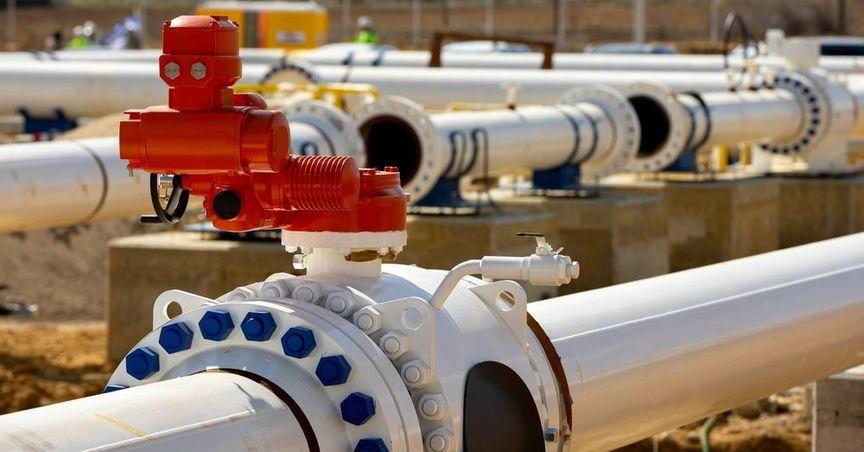
This operational framework enables coordination across multiple stages of the supply chain. Midstream assets such as pipelines and storage terminals facilitate transport and inventory management, while downstream networks connect refined products to end users. Renewable fuel production, including biodiesel and renewable diesel, forms part of a broader product slate aligned with evolving energy consumption patterns.
Market Activity and External Assessments
Recent commentary from financial institutions has presented a range of views regarding HF Sinclair (NYSE:DINO). Target revisions and rating updates have been issued by several firms, reflecting differing interpretations of company performance and sector conditions. While some assessments indicate confidence in operational positioning, others adopt a more neutral stance.
Such variation highlights the complexity of evaluating companies within the refining sector, where margins can shift due to changes in crude supply, product demand, and refining capacity. External commentary often incorporates these variables alongside company-specific factors such as efficiency, throughput, and product mix.
Financial Performance Overview
Quarterly disclosures have indicated that HF Sinclair recorded stronger-than-expected earnings relative to consensus estimates during a recent reporting period. Revenue figures also exceeded expectations, reflecting operational throughput and market conditions during the quarter. Comparisons with earlier periods show modest changes in overall revenue levels, indicating relative stability in top-line performance.
Metrics such as return on equity and net margin provide additional context for operational efficiency. These measures capture how effectively the company converts resources into earnings, although they can fluctuate with refining spreads and input costs. Market capitalization places the company among mid-to-large participants within the energy refining segment.
Institutional Participation and Ownership Trends
Ownership data indicates significant participation by institutional entities, including hedge funds and asset managers. Transactions during recent quarters have included new positions established by smaller firms, reflecting ongoing interest in the company’s shares. High institutional ownership often signals engagement from professional market participants, contributing to liquidity and trading activity.
Changes in ownership patterns can occur as funds adjust allocations in response to sector developments or broader market conditions. These movements form part of the overall trading landscape surrounding the company, rather than serving as standalone indicators of performance.
Position Within the russell 1000 index
Inclusion in benchmarks such as the russell 1000 index places HF Sinclair among companies that represent a substantial portion of the United States equity market. This positioning reflects scale, market presence, and sector representation. Energy companies within the index contribute to diversification across industries, balancing sectors such as technology, healthcare, and financial services.
Participation in such indices can influence trading activity, as index-tracking funds and exchange-traded products replicate benchmark compositions. As a result, companies included in the index may experience flows linked to passive investment strategies.
Industry Context and Product Demand
Refining companies operate within a cyclical environment shaped by supply dynamics and consumption patterns. Demand for transportation fuels remains closely tied to economic activity, travel trends, and industrial output. At the same time, the transition toward renewable energy sources has introduced additional considerations for traditional refiners.
HF Sinclair’s product portfolio reflects both conventional and renewable offerings. Gasoline, diesel, and jet fuel continue to serve core markets, while renewable diesel and biodiesel address shifting regulatory frameworks and environmental considerations. The balance between these segments illustrates broader changes occurring within the energy landscape.
