
 AUS
AUS
 NZ
NZ
 UK
UK
 CA
CA
 USA
USA
 IND
IND





Highlights
- Strong oil market supports higher
- Management prioritizes dividends and expansion strategy
- Large energy projects remain central to long term operations
The energy sector continues to play a critical role in global supply chains, with companies engaged in exploration, production, and distribution of hydrocarbons forming the backbone of industrial and transportation systems.
ConocoPhillips (NYSE:COP) operates within the energy sector, a space that includes several major companies shaping broader market sentiment. Among them, stands out as a major upstream energy company with a diversified portfolio of oil and liquefied natural gas assets across multiple regions. The company’s presence alongside widely followed benchmarks such as the Nyse Composite reflects its relevance within the broader energy landscape.
Rising Oil Market Dynamics
Recent geopolitical developments have contributed to elevated crude benchmarks, creating a favourable environment for upstream producers. For this shift has translated into stronger operational inflows driven by improved realizations across its production base. The company’s diversified asset mix, including conventional oil fields and liquefied natural gas ventures, positions it to capture gains from sustained strength in hydrocarbon demand.
In addition, the firm’s geographic exposure allows it to respond to regional supply disruptions with operational flexibility. Production hubs across North America and international locations provide resilience against localized constraints. This structure supports stable output levels even as global energy flows adjust to geopolitical tensions and shifting trade routes.
Capital Allocation Strategy Shift
Management has emphasized a renewed focus on distributing excess financial resources to shareholders through enhanced dividends and programs. This approach reflects confidence in operational efficiency and the ability to sustain strong inflows under favourable market conditions. By prioritizing distributions, the company aligns itself with peers that emphasize shareholder value within the energy sector.
At the same time, the balance between reinvestment and distributions remains a central theme. Large scale projects require continuous funding to maintain production capacity and support expansion initiatives. As a result, capital allocation decisions must account for both immediate distribution goals and ongoing operational commitments.
Dividend Growth Approach Focus
The company has outlined an ambition to maintain dividend growth within the upper tier of major listed companies. This positioning signals a commitment to delivering consistent payouts supported by operational strength. For (NYSE:COP), dividends represent a key component of shareholder engagement, reinforcing its standing within major indices.
This approach also reflects broader industry trends, where energy firms increasingly emphasize disciplined financial management alongside production growth. By maintaining a structured dividend framework, the company seeks to balance cyclical market conditions with steady shareholder distributions.
Activity Expansion Plans
Alongside dividends, share form an integral part of the company’s distribution framework. Increased activity enables the firm to adjust its capital structure while enhancing per share metrics. For this strategy provides flexibility in managing excess financial resources during periods of elevated commodity benchmarks.
Buybacks also serve as a mechanism to align capital deployment with market conditions. When operational inflows exceed reinvestment needs, repurchasing shares offers a direct method of returning value without committing to permanent payout increases. This adaptability is particularly relevant in the energy sector, where commodity cycles influence financial performance.
Project Portfolio Development Focus
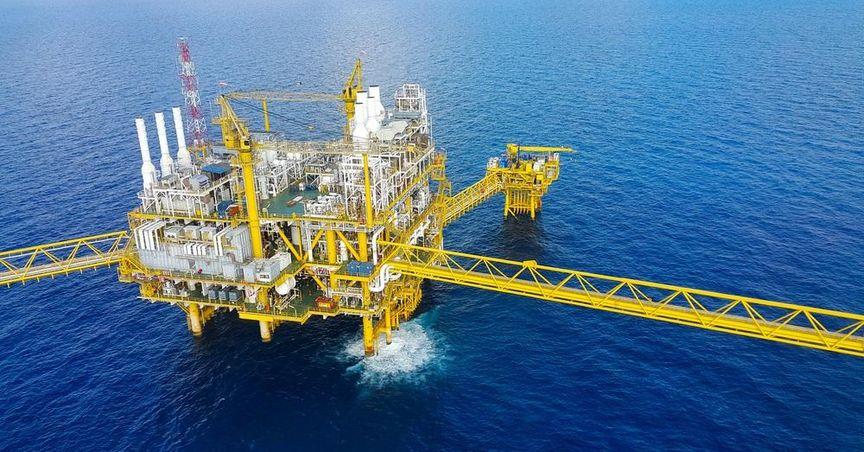
Large scale developments remain central to the company’s operational narrative. Projects such as liquefied natural gas facilities and major oil fields contribute to long term production capacity. These initiatives require significant upfront spending but are designed to generate stable output once operational milestones are achieved.
For (NYSE:COP), the integration of these projects into its broader portfolio supports diversification and resilience. Liquefied natural gas developments, in particular, align with global energy transition trends while maintaining exposure to traditional hydrocarbons. This dual focus allows the company to navigate evolving demand patterns across different energy segments.
Operational Efficiency Measures Adoption
Efficiency continues to remain central across the company’s operations. More streamlined production activity and disciplined cost control support healthier margins and stronger operational inflows. Through better use of existing assets, the company strengthens overall value creation without depending entirely on new expansion activity. The Nyse Composite Index context also highlights how operational discipline remains an important marker for large listed energy companies.
Technological advancements also play a role in improving operational performance. Digital monitoring systems and advanced drilling techniques enable more precise resource extraction, reducing waste and enhancing productivity. These measures support sustainable operations while maintaining competitiveness within the energy sector.
Market Position Competitive Context
Within the broader energy landscape, (NYSE:COP) operates alongside major integrated firms and independent producers. Comparison with peers highlights differences in capital allocation strategies, project portfolios, and geographic exposure. While some competitors emphasize refining and downstream activities, this company maintains a strong focus on upstream operations.
This positioning allows it to respond directly to changes in crude benchmarks, capturing gains from production activities. At the same time, it requires careful management of project pipelines and operational costs to maintain stability across market cycles.
Shareholder Distribution Emphasis Growth
The emphasis on distributions reflects a broader shift within the energy sector toward disciplined financial management. Companies are increasingly prioritizing shareholder engagement through structured payout frameworks rather than aggressive expansion. For this approach underscores its commitment to delivering consistent value while maintaining operational strength.
The interplay between distributions and reinvestment remains a defining aspect of the company’s strategy. By balancing these elements, the firm seeks to sustain its position within major indices while adapting to evolving market conditions.
Strategic Outlook
The continuation of strong commodity benchmarks provides a supportive backdrop for ongoing operations. For (NYSE:COP), this environment enables sustained production activity across its asset base while reinforcing its distribution framework. The company’s ability to maintain stable output levels across diverse regions contributes to its overall resilience.
At the same time, evolving geopolitical dynamics require continuous monitoring. Changes in supply chains, trade flows, and regulatory frameworks can influence operational conditions. The company’s diversified portfolio helps mitigate these challenges by spreading exposure across multiple markets.
Capex Planning Operational Balance
Capital expenditure planning remains a critical component of the company’s operational framework. Large scale projects demand significant investment, requiring careful allocation of resources to ensure timely completion. For balancing these commitments with distribution goals is essential to maintaining financial stability.
In addition, cost management plays a key role in supporting project execution. Efficient use of resources helps control expenses while maintaining progress across development initiatives. This approach contributes to the overall sustainability of the company’s operations.
Energy Demand Structural Trends
Global energy demand continues to evolve, influenced by economic growth, technological advancements, and environmental considerations. For (NYSE:COP), these trends shape its strategic direction and operational priorities. The integration of liquefied natural gas projects reflects an alignment with shifting consumption patterns.
At the same time, traditional oil production remains a core component of the company’s portfolio. The combination of these segments allows it to adapt to changing market conditions while maintaining a diversified revenue base.
Financial Discipline Operational Execution
Maintaining financial discipline is essential for navigating the cyclical nature of the energy sector. For this involves careful management of operational expenses, capital allocation, and distribution strategies. By adhering to a structured framework, the company seeks to sustain stability across varying market conditions.
Operational execution also plays a critical role in achieving these objectives. Efficient project management and production optimization contribute to consistent performance, supporting the company’s overall strategy.
Market Developments
Ongoing developments within the energy sector continue to shape the company’s operational environment. For (NYSE:COP), adapting to these changes requires a combination of strategic planning and operational flexibility. The company’s diversified portfolio provides a foundation for responding to evolving market dynamics.
In addition, collaboration with industry partners supports project execution and resource development. Joint ventures and partnerships enable shared expertise and risk distribution, contributing to the success of large scale initiatives.
Distribution Framework Ongoing Evolution
The company’s distribution framework continues to evolve in response to market conditions. For (NYSE:COP), maintaining a balance between dividends and remains a central objective. This approach provides flexibility in managing financial resources while supporting shareholder engagement.
As market conditions shift, adjustments to distribution strategies may occur to align with operational performance. This adaptability is essential for maintaining stability within the energy sector.
