
 AUS
AUS
 NZ
NZ
 UK
UK
 CA
CA
 USA
USA
 IND
IND





Highlights
- Chevron (NYSE:CVX) actively shaping energy markets with s&p 500 today
- Comprehensive overview of upstream and downstream operations
- Chevron’s integrated energy systems within s&p 500 chart
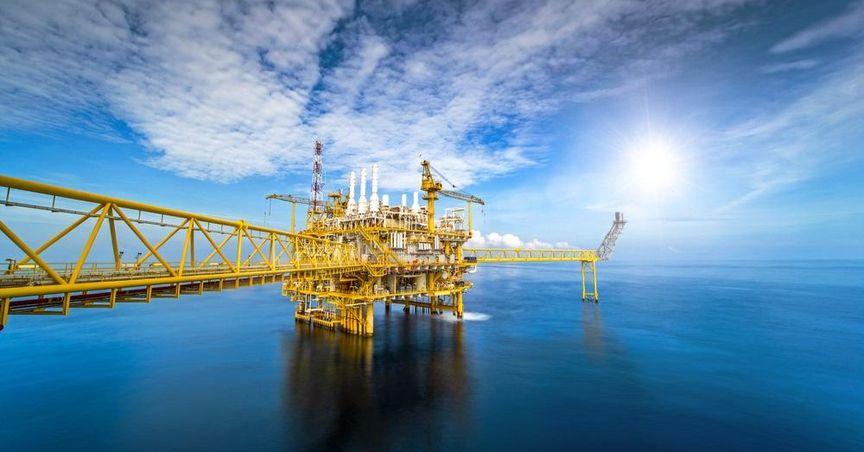
Chevron (NYSE:CVX) remains one of the largest and most recognised names in the global energy industry. The company engages in the exploration, development, production, and transportation of crude oil and natural gas, as well as the processing and marketing of various energy products. Chevron’s influence extends across both upstream and downstream segments, with significant involvement in liquefied natural gas (LNG), carbon capture, and gas-to-liquids operations. Chevron’s role within global energy markets is often discussed in relation to s&p 500 today , a key benchmark that reflects major market sectors, including energy giants like Chevron. As energy systems evolve, the company continues to strengthen its position as an essential player in the integrated energy landscape.
How Does Chevron Define Its Upstream Operations?
Chevron’s upstream segment is a critical part of its business, focusing on the exploration and production of crude oil and natural gas. The company’s activities within this segment include drilling and developing oil reserves, transporting crude oil, and processing natural gas. Chevron employs advanced technologies to manage its vast portfolio of reserves, ensuring that it meets global energy demands. Through its upstream operations, the company contributes significantly to energy production and resource management across the globe. Within broader energy sector dialogues, Chevron’s upstream work is often highlighted in discussions involving the s&p 500 index, which reflects the performance of major companies in industries such as oil and gas extraction.
What Is Chevron’s Role In Downstream Operations?
Chevron’s downstream operations involve refining, marketing, and distributing petroleum products, including gasoline, diesel, jet fuel, and petrochemicals. The company operates a wide range of refineries and distribution networks globally, ensuring that its products meet the demands of both consumers and businesses. Through its downstream segment, Chevron plays a pivotal role in supplying energy products to markets around the world. The company’s refined products are essential to various industries, including transportation, manufacturing, and energy generation. Chevron’s influence in the downstream sector is often reflected in market analyses tied to s&p 500 index fund, as it remains one of the most prominent global players in refining and distribution.
What Is Chevron’s Involvement In Carbon Capture?
Chevron is actively involved in carbon capture and storage (CCS) initiatives, aiming to reduce greenhouse gas emissions from industrial processes. The company’s CCS projects capture CO2 emissions from its operations and store them underground, preventing them from being released into the atmosphere. This technology is seen as a critical component of efforts to address climate change, as it allows for the continued use of fossil fuels while reducing their environmental impact. Chevron’s commitment to carbon capture is part of its broader sustainability strategy, which aligns with global efforts to reduce carbon emissions across industries. In broader environmental and energy sector discussions, Chevron’s CCS work is often mentioned alongside s&p 500 futures, as energy companies increasingly focus on reducing their environmental footprint.
How Does Chevron Integrate Gas-to-Liquids Technology?
Chevron has developed advanced gas-to-liquids (GTL) technology, which converts natural gas into synthetic liquid fuels such as gasoline and diesel. This technology provides a way to transform abundant natural gas resources into valuable petroleum products that can be used for transportation and industrial purposes. Chevron’s GTL operations help to diversify its product offerings and create a new source of high-quality liquid fuels. The company’s expertise in GTL is critical to its role in the global energy market, particularly as demand for cleaner fuels and alternative energy sources grows. Chevron’s gas-to-liquids initiatives are often highlighted in energy discussions linked to the s&p 500, as they represent a forward-thinking approach to fuel production.
What Is Chevron’s Long-Term Strategy For Growth?
Chevron’s long-term growth strategy is focused on maintaining its leadership in the energy sector while expanding its portfolio to include cleaner energy sources and technologies. The company plans to continue its investments in oil and gas exploration while also diversifying into renewable energy and carbon management solutions. Chevron’s strategy aims to provide sustainable energy to meet the world’s growing demand while addressing the challenges of climate change and environmental responsibility. In discussions about corporate strategy and future growth, Chevron is frequently referenced alongside s&p 500 companies as its position within the energy sector plays a significant role in shaping broader market trends.
