
 AUS
AUS
 NZ
NZ
 UK
UK
 CA
CA
 USA
USA
 IND
IND





Highlights
- Retail sector activity reflected shifting consumer demand and merchandise expansion.
- Market attention toward Target Corporation increased within the S&P 500 Index.
- Store modernization and supply chain activity remained central across retail operations.
Target operations within the S&P 500 Index reflect retail commerce activity, digital shopping expansion, logistics development, merchandise distribution, and evolving consumer shopping behavior nationwide.
The retail and wholesale sector continues shaping consumer commerce through store networks, digital platforms, logistics systems, and branded merchandise offerings. Target Corporation operates as a large general merchandise retailer with nationwide store locations and integrated online shopping services. Recent developments connected with the [S&P 500 Index] highlighted broader retail sector activity alongside changing operational conditions within consumer focused businesses.
Retail Operations and Merchandise Expansion
Target Corporation (NYSE:TGT) manages retail operations spanning apparel, groceries, electronics, home goods, beauty products, household supplies, and seasonal merchandise. Store formats include large retail centers and smaller urban locations designed to support varying shopping patterns across regional markets.
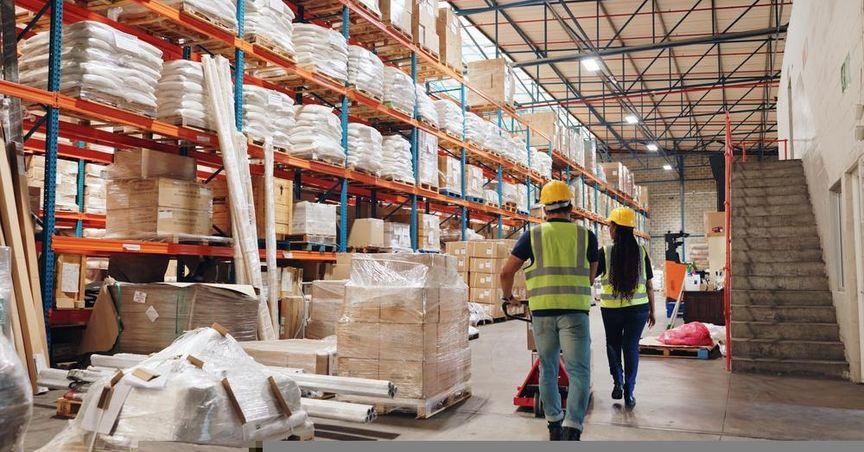
Retail operations depend upon extensive logistics coordination involving transportation systems, warehouse management, product sourcing, and inventory distribution. Merchandise movement across supply networks remains essential for maintaining product availability throughout physical stores and digital commerce platforms.
Digital commerce activity has continued expanding across the retail industry through mobile applications, online ordering systems, and delivery services. Retailers increasingly integrate physical store operations with digital platforms to support changing shopping behavior and fulfillment methods. Store pickup services, same day delivery options, and mobile payment systems have also become more common within large retail chains.
Private label merchandise and exclusive product partnerships remain important components within the retail sector. Retail chains often develop proprietary brands across apparel, home furnishings, food products, and beauty categories to distinguish product selections from competing businesses.
Quarterly Performance and Market Activity
Recent quarterly operational updates from Target Corporation (NYSE:TGT) reflected stronger merchandise sales activity and revenue expansion across multiple retail categories. Retail demand connected with household essentials, grocery items, and discretionary products contributed to broader store traffic and digital commerce activity.
Retail businesses frequently experience changing operational conditions tied to seasonal shopping patterns, transportation costs, consumer demand, and merchandise sourcing activity. Store performance may also fluctuate according to inventory management practices and promotional campaigns associated with holiday periods and back to school shopping cycles.
Supply chain operations remain central to large scale retail activity. Distribution facilities, trucking networks, shipping systems, and warehouse operations support merchandise movement between suppliers, fulfillment centers, and retail locations. Retail companies continue refining logistics systems to support delivery speed and product availability across multiple shopping channels.
Retail Sector Presence Within Equity Benchmarks
Large retail corporations maintain a visible presence across broad market benchmarks tied to consumer spending, industrial activity, transportation services, and digital commerce expansion. Department stores, warehouse retailers, grocery chains, and e commerce operators contribute to broader economic movement within consumer sectors.
The [S&P 500 Index] includes businesses operating across retail, financial services, manufacturing, healthcare, technology, transportation, and communications industries. Retail companies within the benchmark often reflect broader trends involving household consumption, merchandise demand, and supply chain coordination.
Consumer spending patterns continue influencing operational activity throughout the retail sector. Demand for apparel, household goods, grocery products, and electronics may vary according to seasonal conditions, employment trends, and regional economic activity. Retail chains therefore remain closely connected with broader consumer commerce conditions across domestic markets.
Supply Chain and Distribution Systems
Modern retail operations rely heavily upon integrated supply chain systems capable of supporting large merchandise volumes across nationwide store networks. Distribution centers coordinate product handling, storage, transportation scheduling, and inventory allocation across multiple retail categories.
Target Corporation (NYSE:TGT) continues developing logistics operations connected with distribution management, store replenishment systems, and digital order fulfillment. Transportation coordination involving trucking fleets, warehouse operations, and regional distribution centers remains essential for maintaining merchandise flow throughout retail networks.
Technology integration within retail logistics has expanded through automated inventory systems, predictive ordering software, and real time shipment tracking applications. Retailers increasingly utilize digital tools to coordinate inventory movement and respond to changing consumer demand patterns.
Store remodeling programs and facility upgrades also remain common across major retail chains. Retail companies frequently redesign store layouts, improve pickup services, and modernize checkout systems to support operational efficiency and customer accessibility.
Consumer Commerce and Brand Development
Brand development remains an important component within retail operations. General merchandise retailers often manage extensive product assortments containing both nationally recognized brands and company developed merchandise lines. Product diversification allows retailers to support multiple consumer categories within a single shopping destination.
Retail companies also continue expanding grocery selections, beauty products, household essentials, and wellness categories. Consumer demand for convenience and product accessibility has contributed to broader merchandise expansion across large retail chains.
Mobile applications and digital membership programs have become increasingly common within the retail industry. Retailers use digital tools to support online browsing, product availability tracking, loyalty programs, and personalized shopping experiences connected with consumer commerce activity.
Operational changes across retail businesses may also involve workforce coordination, transportation efficiency, and merchandise sourcing adjustments linked with evolving supply conditions. Retail chains continue adapting distribution systems and fulfillment operations to support ongoing commerce activity across physical and digital shopping environments.
