
 AUS
AUS
 NZ
NZ
 UK
UK
 CA
CA
 USA
USA
 IND
IND






Highlights
- Nike is rebalancing distribution channels through wholesale and direct retail operations.
- Global sports events remain central to brand visibility and product engagement.
- The company continues to expand across footwear, apparel, and equipment categories.
Nike continues its business reset through distribution changes, sports-focused initiatives, and global brand expansion, maintaining relevance among companies tracked within the Dow Jones.
Nike (NYSE:NKE) operates in the athletic footwear, apparel, and sports equipment industry, a major segment of the consumer discretionary sector. As one of the largest global sportswear companies, its business activities are closely followed within the Dow Jones, where consumer-focused corporations often reflect broader retail and spending trends. Recent developments have centered on a broad business reset aimed at strengthening brand presence across multiple distribution channels and key sporting events.
Global Footwear and Apparel Operations
The company designs, develops, markets, and distributes athletic footwear, apparel, equipment, accessories, and related products. Its portfolio serves a wide range of sports and fitness categories, including running, football, basketball, training, and lifestyle wear.
Products are sold through company-owned stores, digital commerce platforms, wholesale partners, and independent retailers. This multi-channel approach allows broad geographic coverage across North America, Europe, Greater China, Asia Pacific, Latin America, the Middle East, and Africa.
As a prominent participant among Consumer Stocks, operations span manufacturing partnerships, product design centers, marketing initiatives, and global retail networks. Brand recognition remains one of the defining characteristics of the business across international markets.
Distribution Model Adjustments
Recent business activity has highlighted a shift toward a more balanced distribution framework. Over recent years, emphasis was placed on direct engagement through company-operated stores and digital platforms. Current initiatives include stronger engagement with wholesale partners while maintaining direct retail operations.
This adjustment reflects changing dynamics across the sportswear industry, where companies seek to balance digital commerce growth with broad physical retail availability. Wholesale relationships remain important channels for reaching diverse customer groups across multiple regions.
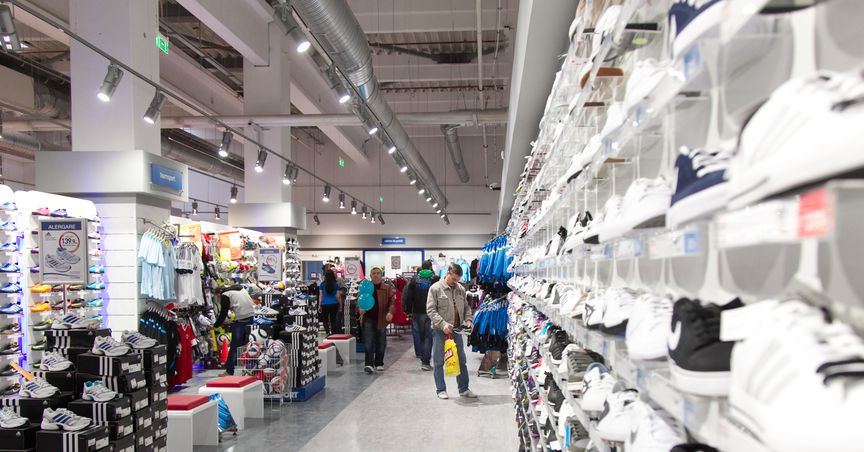
The reset also includes retail refresh efforts designed to enhance in-store experiences and improve product presentation. Such initiatives form part of broader operational adjustments taking place across the global retail sector.
Product Categories and Innovation
Footwear remains the largest product category, supported by ongoing development across running, basketball, football, and lifestyle segments. Apparel and equipment products complement the footwear business and contribute to overall brand visibility.
Research and product development activities focus on athletic performance, material technologies, comfort, durability, and sustainability-related initiatives. New product introductions frequently coincide with major sporting events and athlete partnerships.
Innovation remains a significant aspect of competition within the sportswear industry. Companies continually introduce new materials, cushioning systems, manufacturing methods, and digital integrations aimed at supporting athletic performance and consumer engagement.
Within the middle of the year, developments surrounding Nike's reset have drawn attention from participants tracking consumer-focused companies within the Dow Jones.
Influence of Global Sporting Events
Major international sporting events continue to play an important role in brand exposure. Football tournaments, international competitions, and regional championships provide opportunities for product visibility across global audiences.
The FIFA World Cup remains one of the most influential events for sportswear companies due to its worldwide reach. Product launches, team sponsorships, and athlete endorsements often align with tournament schedules.
Running and football have been identified as important categories during the current business transition. These sports represent large participation bases and significant demand across footwear and apparel markets.
Global sports events also contribute to broader consumer engagement through digital campaigns, retail promotions, and product storytelling initiatives connected to athletic performance.
Geographic Presence and Supply Chain
Operations extend across numerous countries through a combination of owned facilities, distribution centers, retail stores, and manufacturing partners. The company maintains sourcing relationships with suppliers located in several regions, supporting large-scale production requirements.
Supply chain management remains an important component of day-to-day operations. Activities include inventory planning, logistics coordination, product distribution, and retail replenishment across global markets.
Changes in consumer demand, transportation networks, and regional economic conditions can influence operational planning throughout the sportswear sector. Companies continue adapting supply chain processes to support product availability and operational efficiency.
Industry Trends and Competitive Landscape
The athletic apparel industry remains highly competitive, with participants ranging from global sportswear corporations to emerging specialty brands. Competition occurs across footwear innovation, product design, retail presence, digital commerce, and brand recognition.
Demand for athletic and lifestyle products continues to shape industry activity. Consumers increasingly seek products suitable for sports participation, fitness activities, and everyday wear.
Nike (NYSE:NKE) remains part of a competitive landscape that includes numerous international brands operating across athletic footwear, apparel, and accessories categories. Product differentiation, distribution reach, and brand visibility remain important characteristics within the sector.
Public companies within the Dow Jones and broader consumer discretionary segment are also frequently evaluated using reported measures such as Earnings Per Share, revenue trends, and operating performance disclosed through financial filings.
